
Featured Pack Assembly Equipment
Core precision systems engineered specifically for light electric vehicle (LEV) battery module joining.
Industry Landscape: The Micro-Mobility Boom & Manufacturing Standards
Understanding the rigorous industrial requirements for urban electric transportation power packs.
The global shift toward micro-mobility has transformed urban transit. Electric bicycles (e-bikes), electric kick scooters (e-scooters), cargo light commercial vehicles, and swappable battery networks are expanding at unprecedented rates. At the heart of every light electric vehicle lies a sophisticated lithium-ion battery pack, typically configured in 36V, 48V, 52V, or 72V system architectures (ranging from 13S4P to 20S10P topologies using 18650, 21700, or 32700 cylindrical cells). Fabricating these battery packs demands absolute structural reliability, minimal contact resistance, and strict thermal regulation to prevent internal cell degradation during assembly.
Unlike stationary energy storage units, e-bike and e-scooter battery packs endure extreme environmental stress: continuous road vibrations, mechanical impacts, thermal expansion/contraction, and peak current discharges during steep ascents or acceleration. Consequently, industrial welding equipment for battery pack fabrication must comply with strict safety certifications (such as UL 2271, EN 50604-1, and UN 38.3). A single weak spot weld or thermal damage to a cell cap separator can lead to elevated internal resistance, premature capacity loss, or severe thermal runaway risks. Advanced precision joining technology—ranging from high-frequency inverter transistor spot welding to fiber laser beam welding—has therefore become the bedrock of modern micro-mobility manufacturing.
Ultra-Low Thermal Contact
Millisecond pulse delivery minimizes heat transfer into cell jelly-rolls, safeguarding internal PE/PP separators from thermal degradation.
Zero-Defect Weld Quality
Real-time constant current and dynamic resistance monitoring ensure 100% joint consistency across thousands of parallel cell connections.
Flexible Multi-Axis Automation
Seamless CNC motion integration handles complex step layouts, staggered geometries, and dense 21700 cell matrix configurations.
Technical Analysis: Resistance Spot Welding vs. Continuous Fiber Laser Welding
Selecting the optimal joining technology for nickel, nickel-plated steel, and pure copper busbars.
Selecting the appropriate welding equipment for e-bike and e-scooter battery pack assembly hinges upon the chosen busbar interconnect material, pack energy density requirements, and production volume target. The two dominant industrial methodologies are Precision Resistance Spot Welding (RSW) and Fiber Laser Beam Welding (LBW).
1. Resistance Spot Welding (Transistorized & High-Frequency Inverter)
Resistance spot welding remains the workhorse of cylindrical cell pack manufacturing. By passing a precisely controlled electrical pulse through copper alloy electrodes into the nickel tab and cell terminal, localized Joule heat ($I^2Rt$) forms a solid metallurgical nugget. Modern systems, such as transistorized spot welders and high-frequency inverter units (e.g., PDC and IPV series), deliver microsecond response times and precise closed-loop current control. This prevents micro-spatter, minimizes electrode pickup, and ensures exceptional mechanical shear strength when joining nickel-plated steel or pure nickel strips (up to 0.3mm thickness) onto cell caps.
2. High-Power Fiber Laser Welding
As micro-mobility applications demand faster charging speeds and higher current output, pure copper busbars or copper-nickel composite tabs are increasingly replacing traditional nickel strips. Pure copper features extremely low electrical resistivity but high thermal conductivity and reflectivity. Fiber laser welding systems (ranging from 1000W to 3000W continuous or wobbling laser power) deliver non-contact, keyhole welding capability. Fiber laser welding creates deep-penetration joints with minimal heat-affected zones (HAZ), making it the premier choice for high-amperage commercial e-cargo bike battery modules and heavy-duty electric scooter packs.
| Parameter / Feature | Inverter Resistance Spot Welding | Transistor Precision Spot Welding | Fiber Laser Welding (3000W Class) |
|---|---|---|---|
| Primary Busbar Materials | Nickel-Plated Steel, Pure Nickel (≤0.2mm) | Pure Nickel (≤0.3mm), Nickel-Clad Copper | Pure Copper, Aluminum, Brass, Multi-Layer Nickel |
| Thermal Impact (HAZ) | Very Low (5-15 ms pulse) | Ultra-Low (≤2 ms pulse) | Extremely Low (Microsecond Keyhole focus) |
| Joint Contact Resistance | Low (0.15 – 0.3 mΩ) | Very Low (0.08 – 0.15 mΩ) | Minimal (<0.05 mΩ) |
| Vibration & Shear Strength | High (>120 N per spot) | Very High (>150 N per spot) | Superior (>250 N continuous seam/wobble) |
| Automation Compatibility | Multi-Axis Pneumatic/Servo Gantry | High-Speed Micro-Positioning Heads | Robotic Arm / High-Speed Galvo Scanner |
In-Depth Scenario Analysis: Application Engineering in E-Mobility Pack Assembly
How tailored welding solutions solve critical engineering challenges in micro-mobility battery production.
Scenario A: High-Density 21700 E-Bike Downtube Battery Packs
Modern premium e-bikes integrate battery packs sleekly into the frame's downtube. These configurations require tight 21700 cell staggering with custom-shaped, multi-branched nickel busbars. Space limitations mean traditional bulky welding heads cannot maneuver between cell holders. Solutions using compact, multi-angle welding heads fitted with fine-tip displacement-controlled electrodes allow automatic point welding across complex 3D contours without bridging adjacent nickel tabs or causing short circuits.
Scenario B: Commercial Swappable E-Scooter Batteries Subject to Continuous Shock
Shared electric scooters and delivery fleets rely on swappable battery packs that experience thousands of drop cycles, severe road vibrations, and rough handling. Joint mechanical failure leads to pack shutdown or fire hazards. Implementing dual-pulse inverter spot welders or Galvo laser wobble welders creates multi-point interconnect nuggets per cell pole. This redundancy ensures that even under severe torsional stress, the pack retains full electrical contact and structural integrity.
Scenario C: Integrated BMS Tab & High-Current Fuse Wire Connections
Connecting Battery Management System (BMS) voltage-sensing leads and inline thermal fuses to cell matrix interconnects requires precise thermal calibration. Excessive heat during BMS tab attachment can damage delicate PCB components or rupture adjacent cell insulation sleeves. Specialized spot soldering machines and micro-transistor spot welders provide sub-millisecond energy discharge, forming instant, low-resistance mechanical bonds without elevated temperatures on surrounding circuits.
Emerging Trends & Future Innovations in Battery Fabrication
Smart manufacturing, AI inspection, and high-speed multi-axis motion integration.
The micro-mobility battery fabrication industry is evolving rapidly toward industry 4.0 standards. Key technological shifts include:
- AI-Driven Inline Weld Inspection: Real-time infrared thermal imaging, camera-based machine vision, and dynamic resistance monitoring algorithms detect micro-fissures, false welds, or electrode alignment deviations instantaneously.
- 7-Axis CNC Gantry Systems: Automated multi-axis motion controllers enable rapid switching between diverse pack geometries (e.g., e-bike downtube, rear rack, scooter floorboard packs) without manual jig reconfiguration.
- Pure Copper Interconnect Adoption: Laser welding technologies make high-speed copper busbar joining cost-effective, unlocking lower internal resistance, reduced operational heat build-up, and extended range for light electric vehicles.
About Styler Welding Technology
Pioneering advanced resistance welding and laser applications worldwide.

Pioneering Joining Excellence
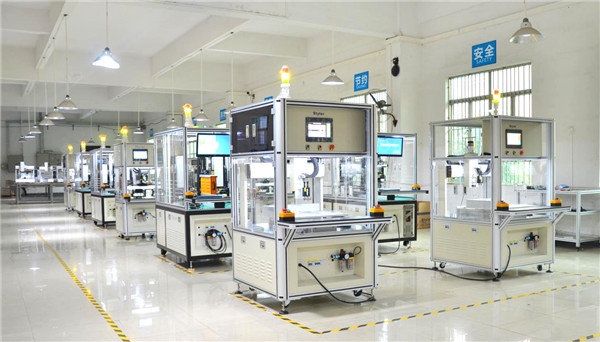
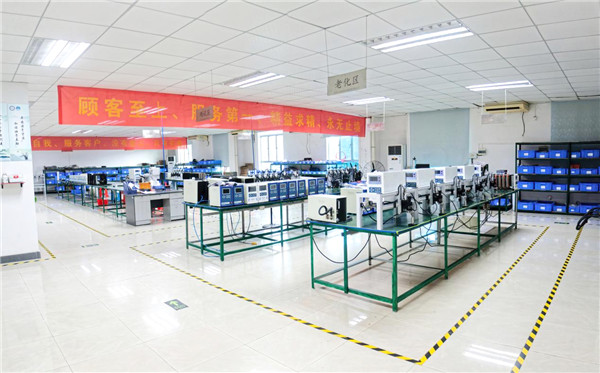
Styler is a professional manufacturer aims to provide high quality and trustful welding machine to the customer. Our company has unique understanding and innovative idea in the field of resistance welding and laser applications, and the welding technology has reached to the international level through continuously investing in the technical research and development. We also cooperate with education institutes on the technology development to enhance our machine’s performance and application area. Customer Centric is our core value. Besides of providing personalized high performance and durable machines to the customer, we value the hospitality the most, as we wish customers to have a pleasant purchase experience with us for each visit. Therefore, we have been providing ongoing training internally to provide excellent customer service to our customer. We believe the customer-oriented direction is the key to success, and it has been successfully helping us to develop a strong reputation in the industry, allowing us to retain customers and attracting new customers to start the business with us.
Company Vision
To provide a cutting-edge welding machine in a reasonable price to the customer has been the long-term goal for Styler, and thus, we will continually be developing innovative, stable, and budgeting machine to the customer around the world.
Corporate Social Responsibility
Giving back to the society is important as we are not able to go this far without the community’s support. Therefore, Styler has been actively participating in the charity works and government events each year, to improve the local municipal service and facility.


Employee Development & Culture
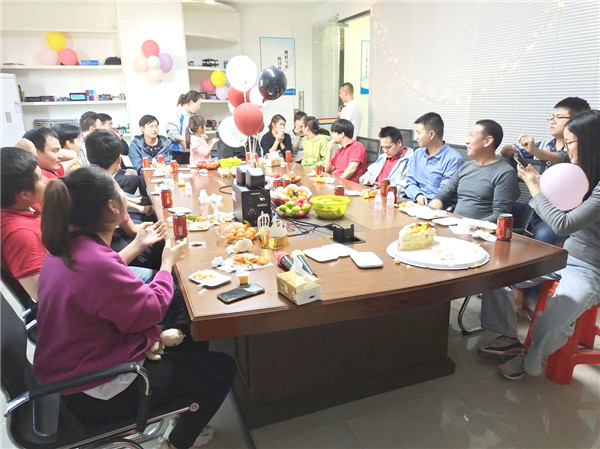
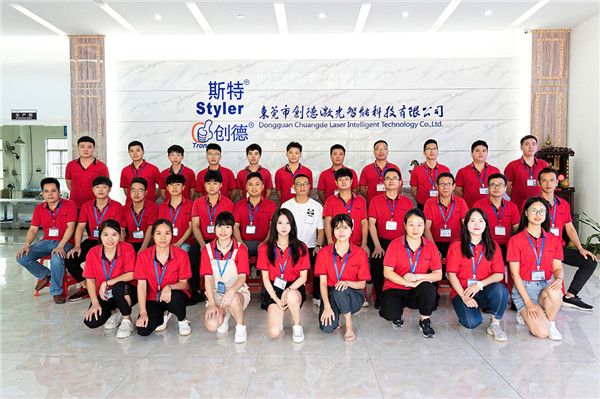
Despite all the growth that has occurred over the years, we remain extremely employee centric. Our management team works tirelessly to ensure each Styler Welding employee feels fulfilled from work and life. As work-life balanced living style is proved that it would increase employee’s performance at work, and consequently, providing better service and product to the customer.
Complete Range of Battery Welding Equipment
Explore Styler's comprehensive line of precision spot welders, fiber laser systems, and fully automatic pack assembly machines.
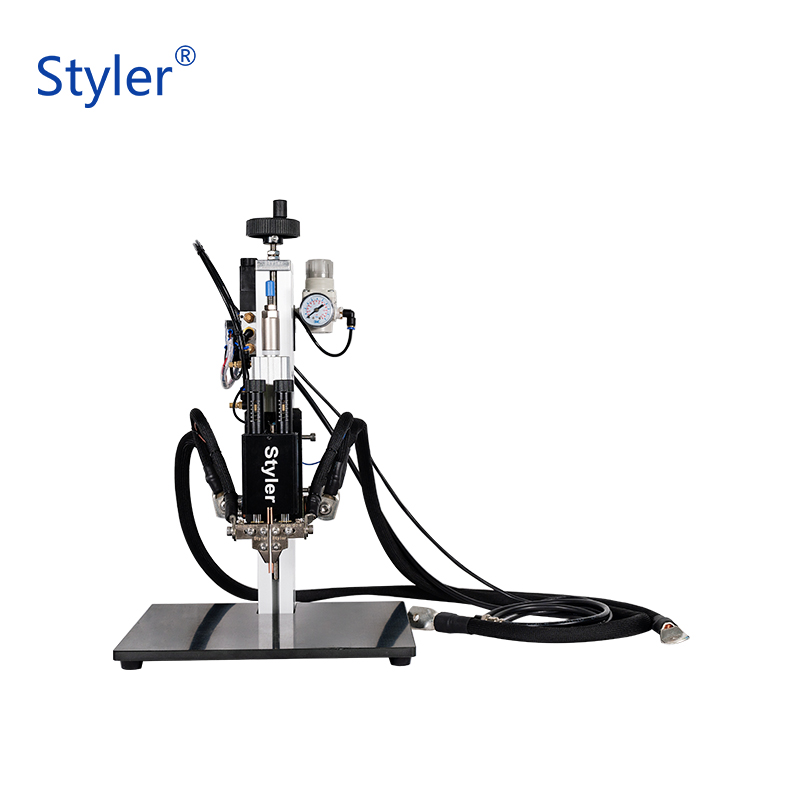
Precise Welding Head For E-Bike Battery Welder
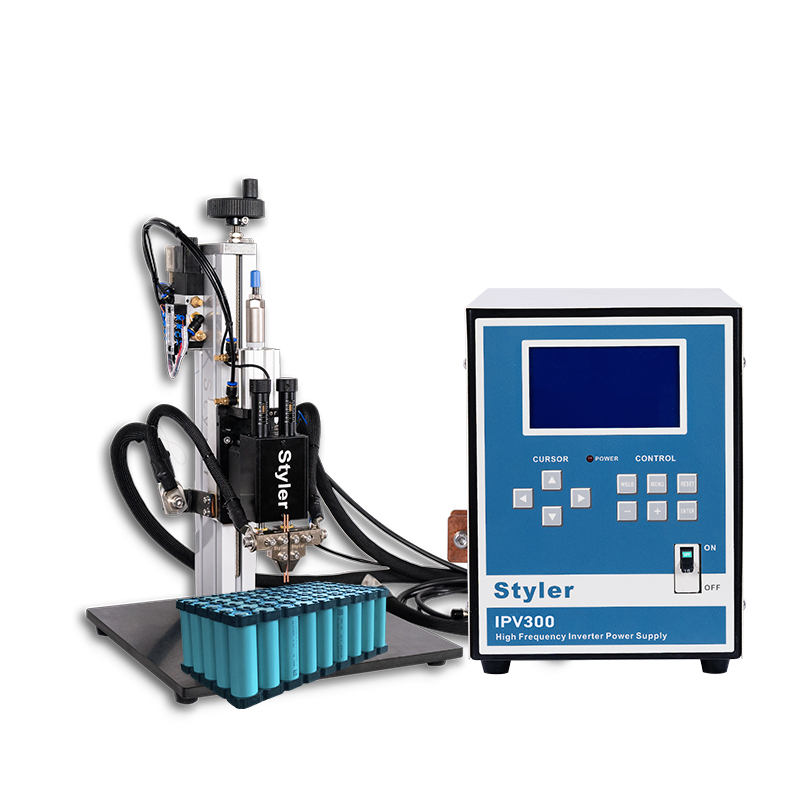
IPV300 Point Welding Machine
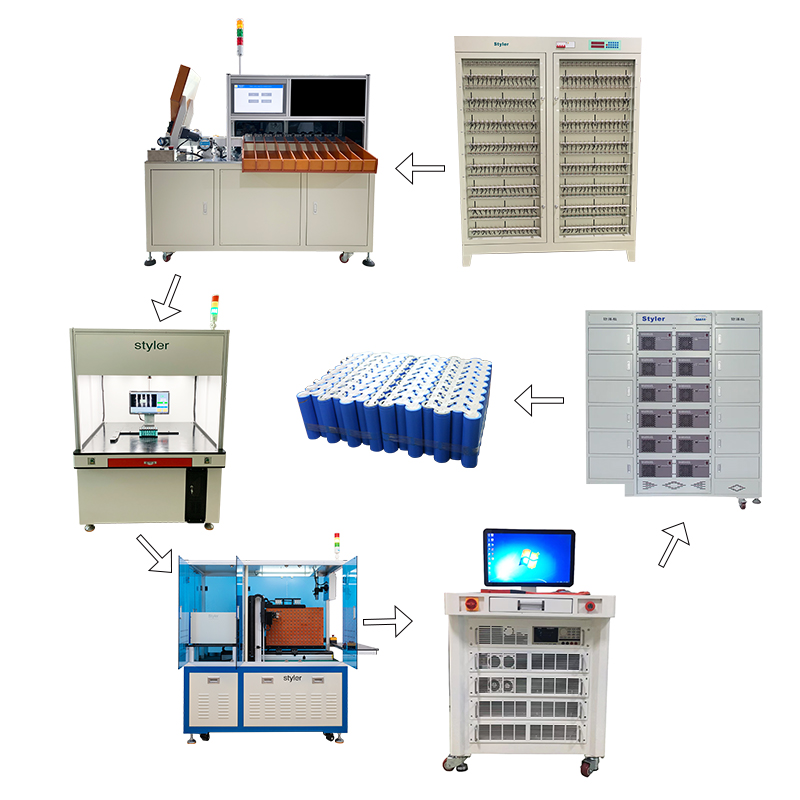
Automatic E-Scooter Battery Pack Assembly Line
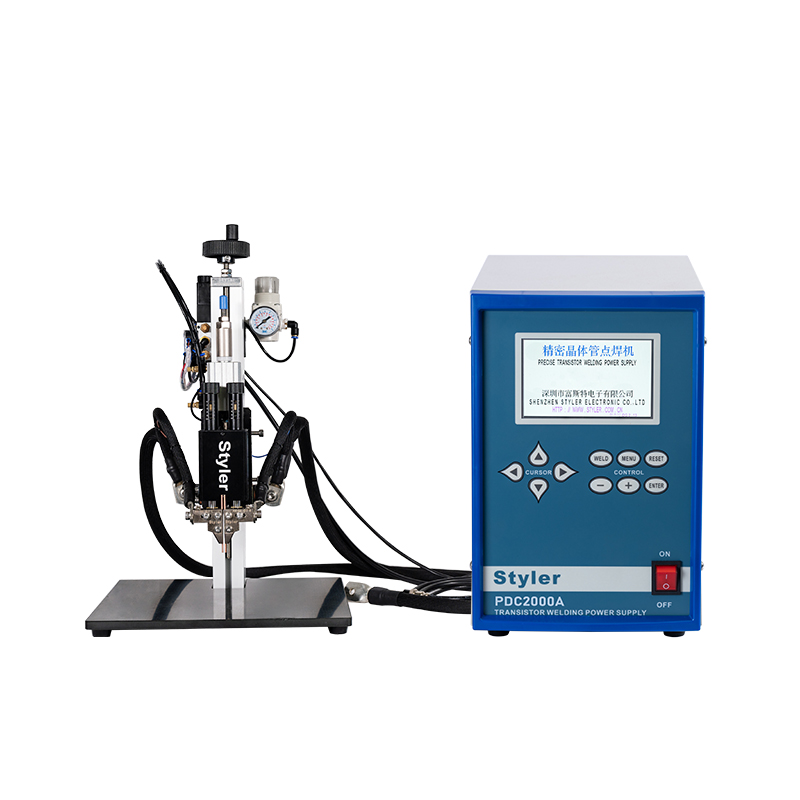
PDC2000A Battery Spot Welder
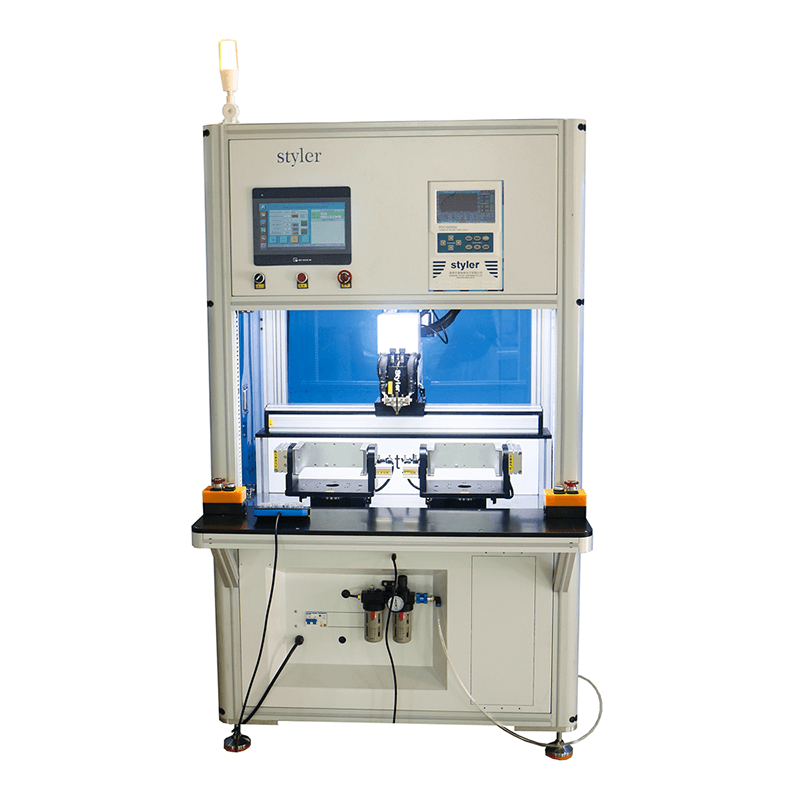
7 AXIS Automatic Welding Machine For LEV Packs
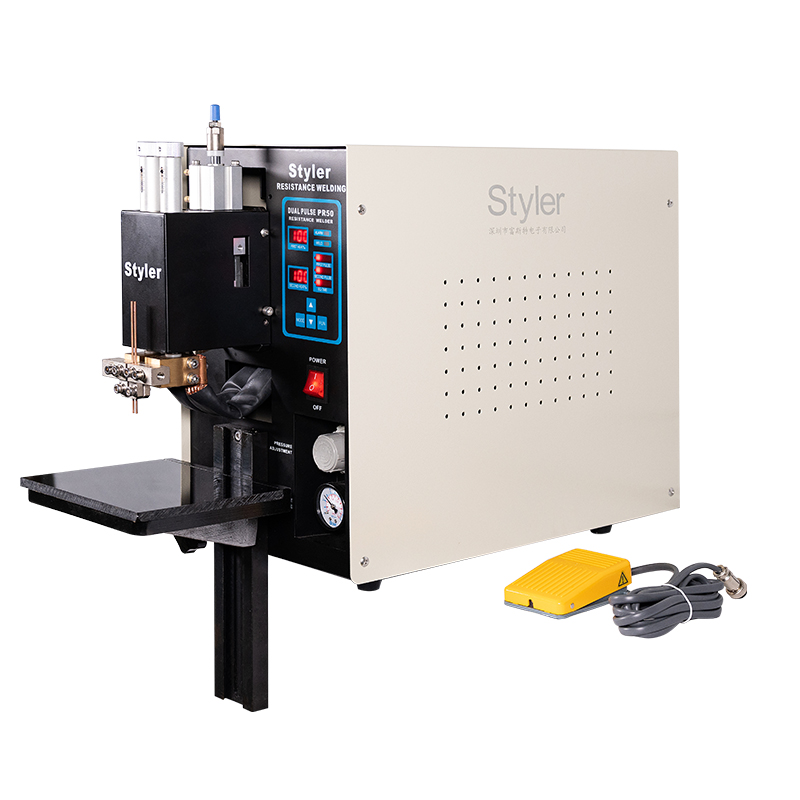
PR50 Micro-Precision Battery Welder
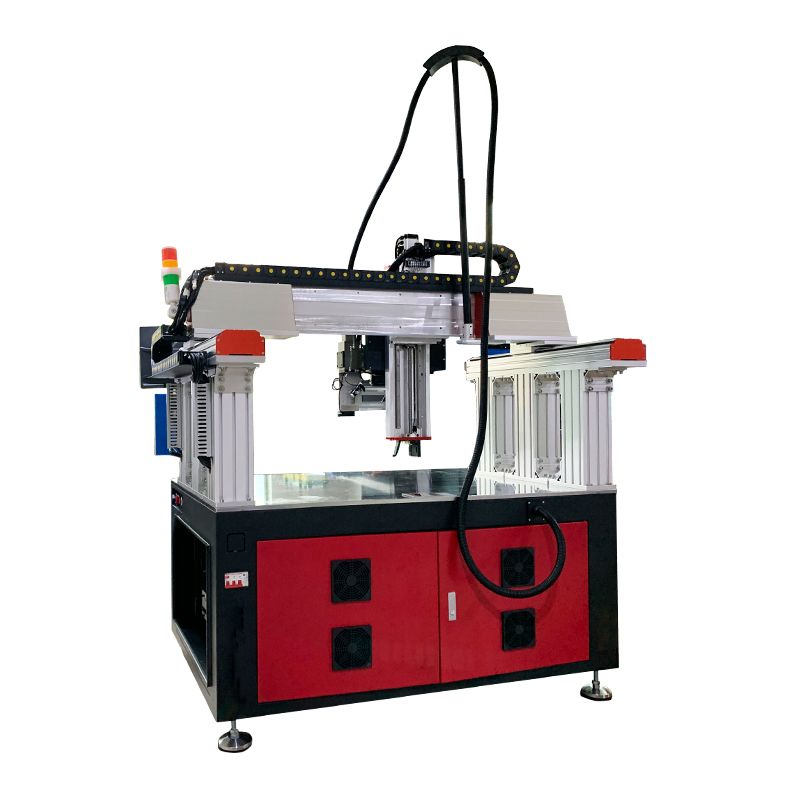
3000W Automatic Fiber Laser Welding Machine
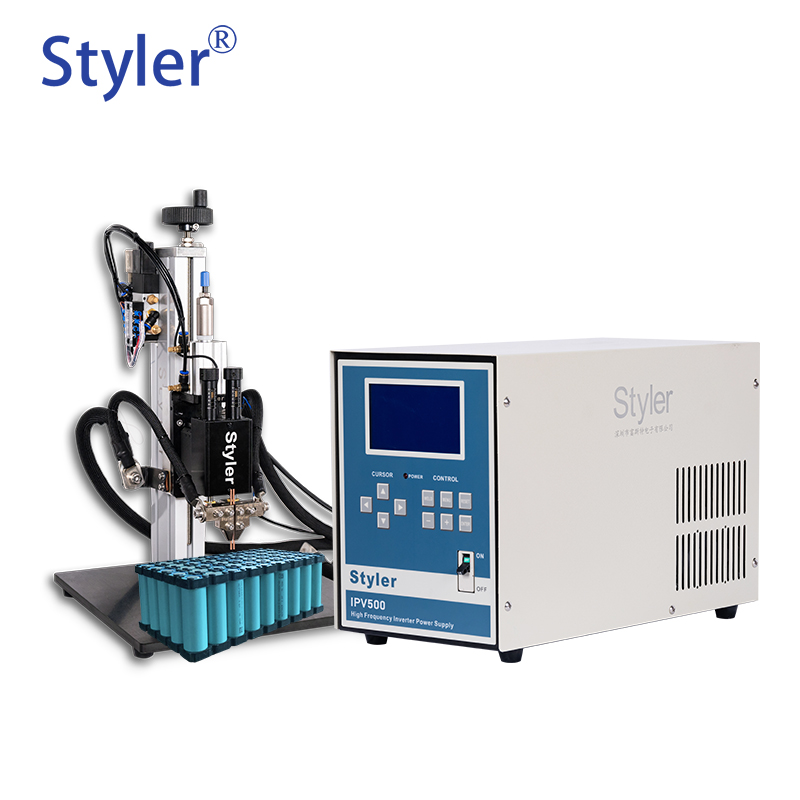
Styler 5000A Spot Soldering Machine For BMS Tabs


