
Featured Precision Spot Welders & Automation Units
Explore our primary micro-joining systems engineered specifically for high-yield small consumer electronics hardware manufacturing and battery pack configurations.
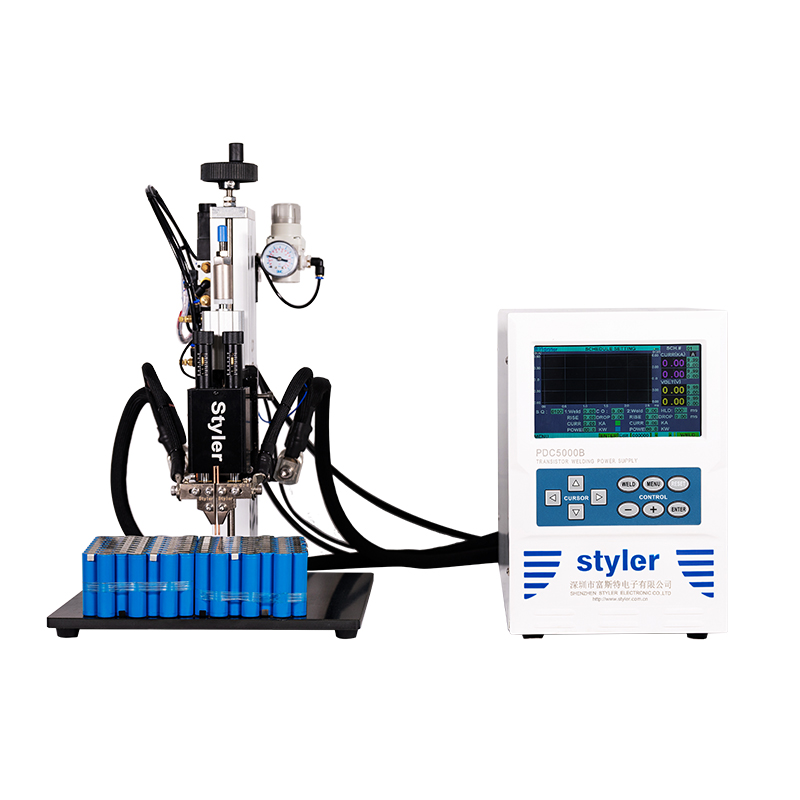 PDC5000B Spot Welder
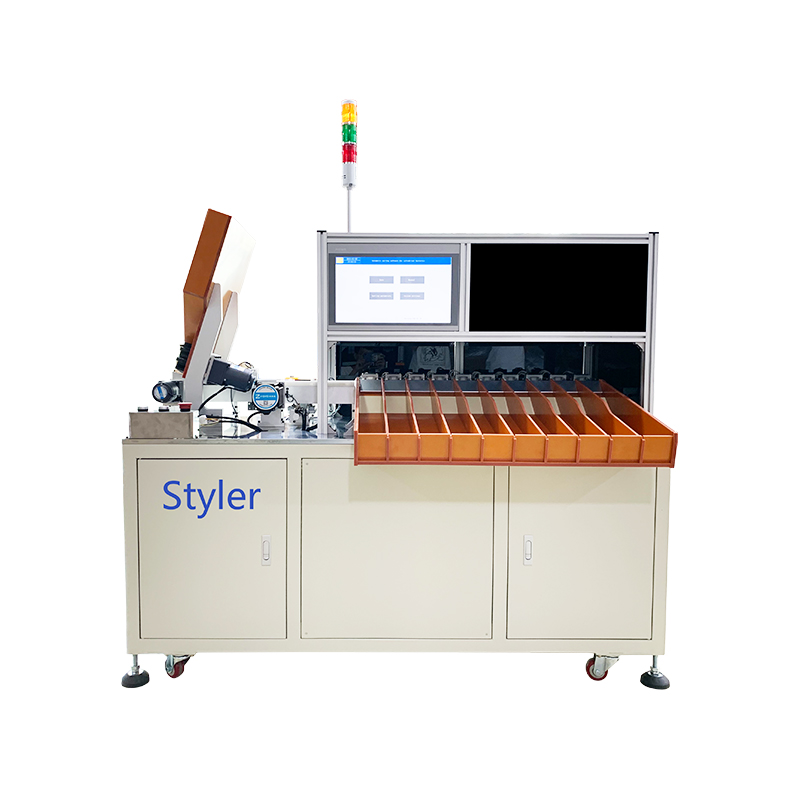 Battery Sorter
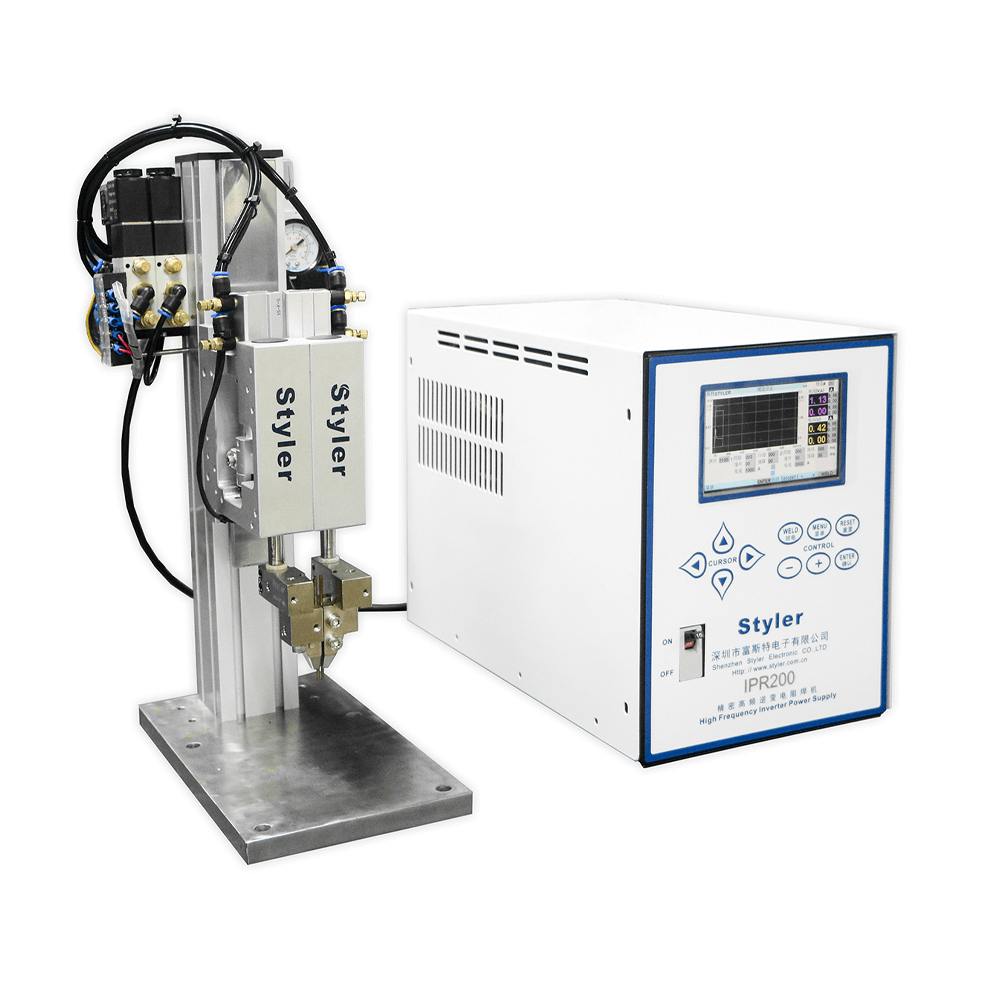 IPV200 Resistance Welding Machine
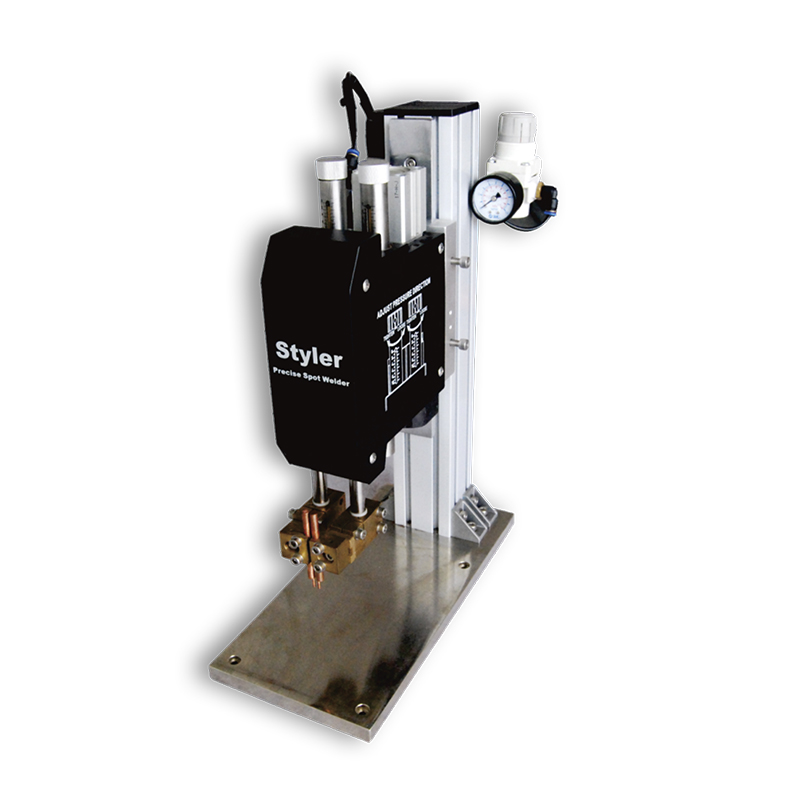 Custom OEM/ODM Welding Head
1. Industrial Landscape & Market Dynamics in Electronics Micro-Assembly
The small consumer electronics industry—encompassing true wireless stereo (TWS) earbuds, smartwatches, fitness trackers, medical wearables, foldable smartphones, and portable IoT hardware—is experiencing an unprecedented drive toward miniaturization and high energy density. As structural spatial boundaries contract, the internal hardware of modern consumer electronics requires increasingly sophisticated micro-joining technologies. Traditional thermal joining processes like conventional soldering or coarse resistance welding are no longer adequate due to strict thermal budget limits, ultra-thin substrate requirements, and ultra-dense component placement.
Today’s electronics manufacturing ecosystem demands spot welding solutions capable of delivering controlled energy bursts within millisecond or microsecond timescales. The objective is to achieve structural integrity and superior electrical conductivity without causing heat-affected zone (HAZ) damage to nearby delicate IC components, flexible printed circuits (FPCs), or lithium-ion polymer pouch battery membranes. Consequently, selecting the optimal spot welder architecture has evolved from a standard equipment procurement decision into a mission-critical engineering parameter that directly impacts production line yield, contact resistance, and long-term device reliability.
2. In-Depth Analysis: Primary Types of Spot Welders for Small Electronics
Micro-joining hardware in modern consumer electronics assembly is categorized based on the underlying energy delivery mechanism, current waveform control, and power delivery dynamics. Each welder architecture exhibits distinct advantages dependent upon material composition, tab thickness, and production speed requirements.
Capacitive Discharge (CD) Welders
Capacitive Discharge spot welders store electrical energy in high-capacity capacitor banks and release it instantaneously across the welding electrodes. This process delivers an extraordinarily fast peak current rise time (typically under 1 millisecond).
Key Advantage: Extremely short pulse duration prevents heat propagation into sensitive battery separators or thin housing materials. Ideal for highly conductive metals such as copper, brass, and nickel-plated steel tabs used in small battery packs.
High-Frequency Inverter DC (HFDC)
High-Frequency Inverter DC spot welders convert AC line power into high-frequency DC (typically 1 kHz to 20 kHz or higher) via advanced IGBT inverter circuitry. This allows real-time, closed-loop feedback monitoring of current, voltage, or power during the weld cycle.
Key Advantage: Unmatched process repeatability and dynamic adjustment. If contact impedance fluctuates, the HFDC controller adjusts output parameters in real-time, making it perfect for high-reliability consumer medical devices and wearable sensors.
Precision Fiber Laser Spot Welders
Fiber laser spot welding utilizes a concentrated coherent light beam to melt and fuse metals without physical tool contact. Modern galvo-scanning laser heads allow precise spot welds as small as 20 microns in diameter.
Key Advantage: Completely non-contact process eliminating electrode wear, mechanical deformation, and tip maintenance. Essential for complex 3D hardware geometries, fine coaxial cable termination, and hermetic sensor sealing.
Linear DC vs. AC Resistance Micro-Welders
While basic AC resistance welders remain prevalent in heavy industrial sheet metal fabrication, they are largely unsuitable for precision consumer electronics due to thermal latency and coarse 50/60 Hz waveform control. Conversely, Linear DC micro-welders output an ultra-clean, flat DC current profile with sub-millisecond response times. Linear DC systems excel in low-energy applications, such as welding fine magnet wire to PCB pads, gold-plated connectors, or delicate thermocouple joints where even minor current ripples could vaporize tiny conductors.
Ultrasonic Micro-Spot Welding Technology
Ultrasonic metal spot welding represents a solid-state joining mechanism that applies localized high-frequency acoustic vibrations (typically 20 kHz to 40 kHz) under moderate clamping pressure. Because the melting temperature of the parent metals is not reached, ultrasonic welding forms atomic-level diffusion bonds. This makes it particularly dominant when joining multi-layered ultra-thin copper or aluminum foil stacks inside pouch cells and solid-state batteries for compact personal electronics.
3. Comparative Engineering Matrix: Micro-Spot Welding Technologies
To assist manufacturing engineers and hardware procurement teams in selecting the optimal technology stack, the following matrix compares primary spot welder types across critical operational dimensions:
| Welding Technology | Energy Control Mechanism | Heat Affected Zone (HAZ) | Optimal Substrate Materials | Typical Electronic Application |
|---|---|---|---|---|
| Capacitive Discharge (CD) | Capacitor energy storage (Joules) | Extremely Low | Nickel, Copper, Brass, Steel | 18650/26650 battery tab welding |
| High-Frequency Inverter DC | Closed-loop IGBT Inverter (kHz) | Low to Moderate | Kovar, Nickel, Stainless Steel, Alloys | PCB terminal pads, relay contacts, sensors |
| Precision Fiber Laser | Optoelectronic beam delivery | Minimal / Pinpoint | Dissimilar metals, Stainless, Aluminum | TWS earbud enclosures, smart ring frames |
| Ultrasonic Solid-State | High-frequency acoustic friction | Near Zero (Solid State) | Multi-layer Copper & Aluminum foils | Pouch cell tab-to-busbar joining |
| Linear DC Micro-Welder | Transistor linear feedback control | Ultra-Low | Fine wires, Gold-plated pins, Thermocouples | Micro-actuators, haptic motor coils |
4. Critical Application Scenarios in Consumer Hardware Assembly
The micro-spot welder is an indispensable centerpiece in the automated production lines of modern consumer electronics. Below are the primary application domains where advanced welding technologies drive manufacturing performance:
Li-ion Battery Pack Assembly
Connecting nickel tabs to cylindrical cells (18650, 21700, 26650) or button cells (LIR1254, LIR1654) requires rapid energy delivery to prevent cell internal heating. High-performance inverter DC machines like the PDC5000B and IPV200 provide the millisecond current precision needed to guarantee strong mechanical joint shear strength and zero thermal breakdown of safety vents.
Wearable Sensor & FPC Interconnects
Smartwatches and VR headsets feature flexible printed circuits (FPC) crowded with tiny surface-mount sensors. Custom OEM/ODM welding heads equipped with force-sensing displacement feedback apply micro-grams of pressure while delivering localized welding current to bond copper traces without charring polyimide substrates.
Haptic Actuators & Miniature Coils
Miniature linear resonant actuators (LRAs) and micro-solenoid coils rely on enamel-coated fine copper wire (often thinner than human hair). High-frequency resistance welders burn off the insulating enamel in initial pulses before fusing the solid copper core to structural metal terminals in a unified, automated sequence.
5. Industry 4.0: AI Monitoring & Future Welding Trends
The integration of Artificial Intelligence and Internet of Things (IoT) connectivity is transforming resistance and laser spot welding from isolated mechanical operations into intelligent, self-optimizing manufacturing cells.
Real-Time Dynamic Resistance Monitoring: Modern spot welders leverage high-speed digital signal processors (DSPs) to sample voltage, current, and displacement at rates exceeding 100 kHz. Machine learning algorithms analyze the dynamic resistance curve in real-time, instantly detecting anomalies such as surface contamination, misaligned battery tabs, or electrode tip degradation. If a potential cold weld or splash defect is detected, the AI controller automatically compensates mid-weld or flags the assembly for inline automated sorting.
Flexible Automated Lines: Modern electronics assembly relies on semi-automatic and fully flexible pack assembly lines. Systems equipped with automated vision alignment and multi-axis servo heads allow seamlessly switching between diverse battery casing formats (square, pouch, cylindrical) without manual re-tooling, reducing downtime and enabling high-mix, low-volume consumer hardware production.
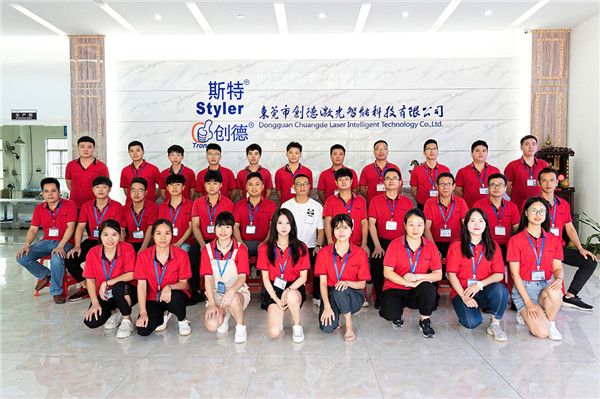
6. About Styler Welding Technology
About Us
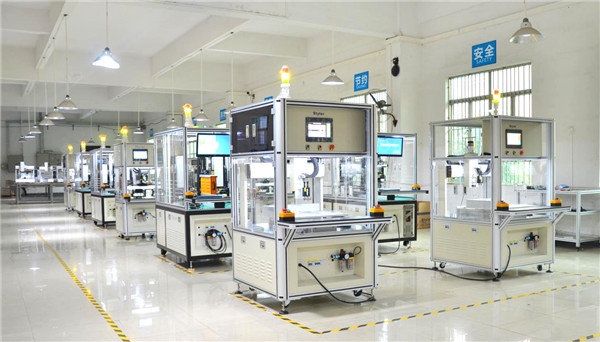
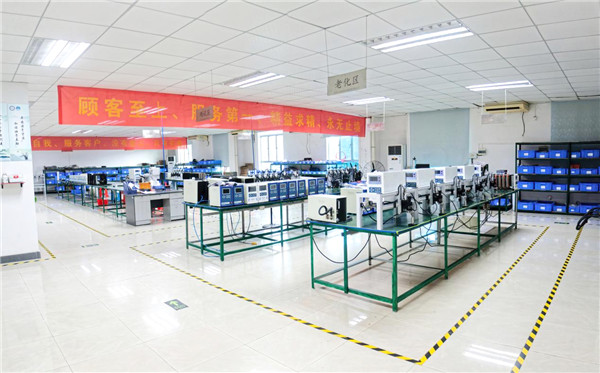
Styler is a professional manufacturer aims to provide high quality and trustful welding machine to the customer. Our company has unique understanding and innovative idea in the field of resistance welding and laser applications, and the welding technology has reached to the international level through continuously investing in the technical research and development. We also cooperate with education institutes on the technology development to enhance our machine’s performance and application area. Customer Centric is our core value. Besides of providing personalized high performance and durable machines to the customer, we value the hospitality the most, as we wish customers to have a pleasant purchase experience with us for each visit. Therefore, we have been providing ongoing training internally to provide excellent customer service to our customer. We believe the customer-oriented direction is the key to success, and it has been successfully helping us to develop a strong reputation in the industry, allowing us to retain customers and attracting new customers to start the business with us.


Company Vision
To provide a cutting-edge welding machine in a reasonable price to the customer has been the long-term goal for Styler, and thus, we will continually be developing innovative, stable, and budgeting machine to the customer around the world.
Corporate Social Responsibility
Giving back to the society is important as we are not able to go this far without the community’s support. Therefore, Styler has been actively participating in the charity works and government events each year, to improve the local municipal service and facility.
Employee Development
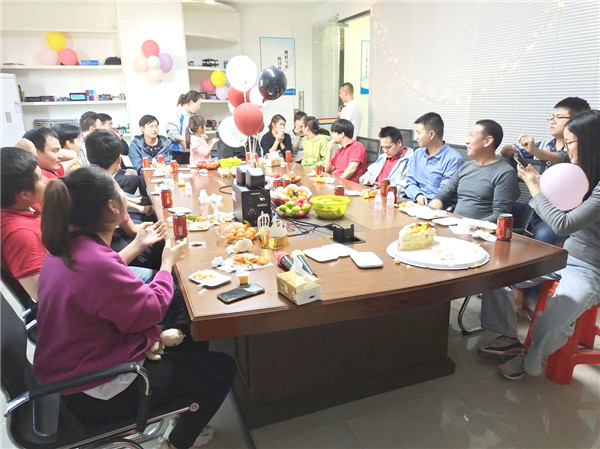
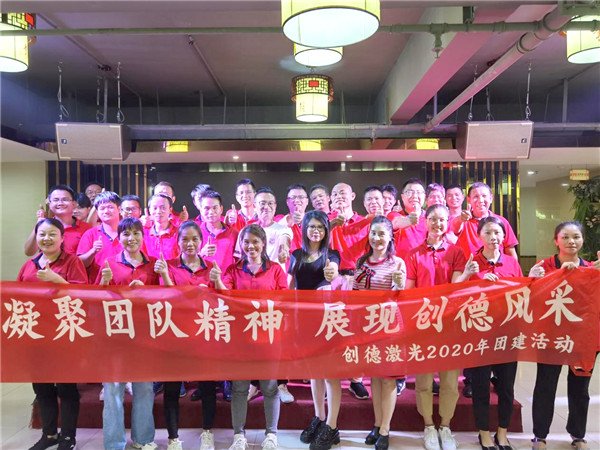
Despite all the growth that has occurred over the years, we remain extremely employee centric. Our management team works tirelessly to ensure each Styler Welding employee feels fulfilled from work and life. As work-life balanced living style is proved that it would increase employee’s performance at work, and consequently, providing better service and product to the customer.
Comprehensive Product Portfolio
Explore Styler’s full catalog of precision spot welders, automated sorters, laser welding systems, and integrated assembly lines engineered for modern electronics hardware manufacturing.
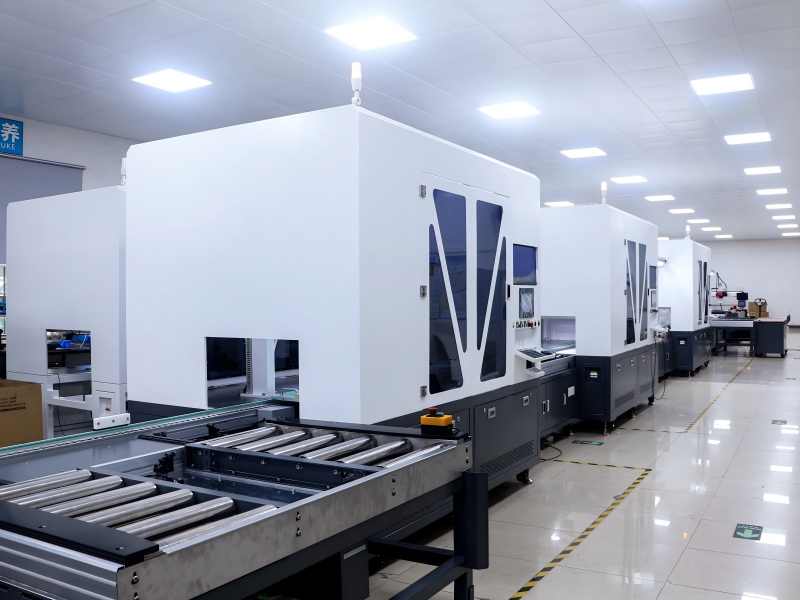 Semi-automatic Square Battery Assembly Line
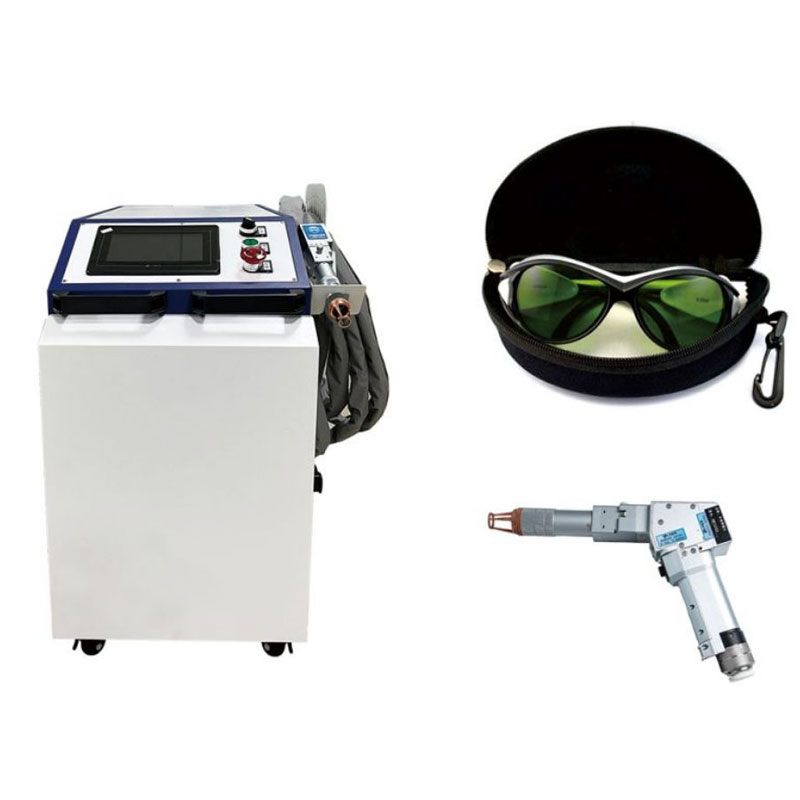 2000W handle laser welding machine
 Cylindrical semi-automatic flexible pack assembly line
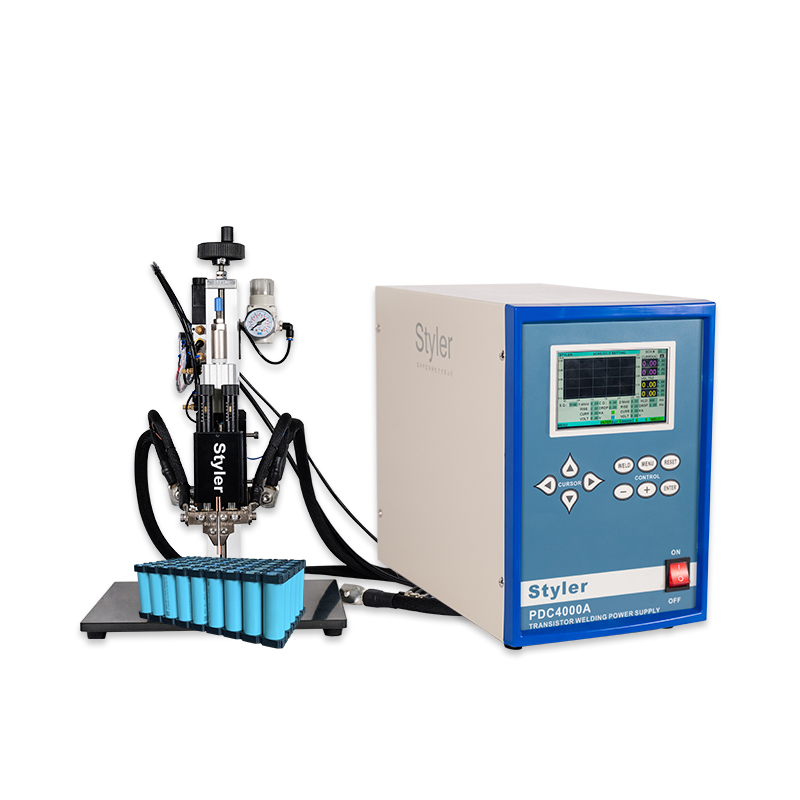 PDC2000A Welding Spot Machine


