
High-Precision Welding & Sorting Equipment
Flagship spot welding systems and precision testing machines engineered for modern automation lines, lithium battery packs, and structural metal fabrication.
Hamburg’s Industrial Landscape & Advanced Welding Demands
Bridging Northern Germany's port logistics, aviation manufacturing, and electric mobility transition with high-efficiency spot welding technology.
The Free and Hanseatic City of Hamburg represents one of Europe's most dynamic and technologically sophisticated industrial metropolises. Renowned globally as Germany's gateway to international trade, the Port of Hamburg anchors a massive ecosystem of maritime engineering, heavy machinery fabrication, multimodal logistics equipment manufacturing, and international commerce. Beyond its historic maritime prowess, the Hamburg Metropolitan Region stands as the world’s third-largest civil aviation hub, propelled by Airbus operations in Finkenwerder and Lufthansa Technik, alongside hundreds of specialized tier-1 and tier-2 precision suppliers. In this exacting manufacturing climate, precision joining technologies—especially resistance spot welding, automated micro-welding, and fiber laser welding—serve as indispensable backbones for structural fabrication, lightweight sheet alloy processing, and flight-critical electrical systems.
In recent years, Hamburg has actively pursued a comprehensive industrial decarbonization strategy, striving to become an exemplary green hydrogen and clean technology hub within the European Union. This structural shift has accelerated investments into electric public mobility, port electrification, automated guided vehicles (AGVs), battery container systems for shore power, and grid-scale energy storage facilities. For manufacturers and industrial suppliers across Hamburg, Harburg, Wilhelmsburg, and surrounding industrial clusters like Norderstedt and Stade, transitioning toward advanced spot welding machinery is not merely a path to productivity—it is an engineering prerequisite to fulfill rigorous DIN EN ISO standards, meet strict German industrial quality benchmarks, and realize sustainable micro-joining without material degradation.
Spot Welding Industry Trends: Smart Automation & Digitalization
How modern inverter intelligence, real-time sensing, and multi-material joining redefine industrial manufacturing efficiency.
MFDC Inverter Intelligence
Medium-frequency direct current (MFDC) power sources deliver precise millisecond-level energy delivery, reducing power dissipation, preventing thermal distortion, and providing immaculate joint integrity on sensitive copper, aluminum, and nickel sheets.
CCD Vision & AI Metrology
Integration of intelligent optical recognition directly into welding cells ensures sub-micron alignment of battery terminals, instant detection of misaligned busbars, and real-time weld nugget verification without slowing cycle rates.
Industry 4.0 Traceability
Complete telemetry recording captures current curves, dynamic resistance, displacement, and electrode pressure for every single spot weld, generating exportable QA data logs demanded by automotive and aerospace certifications.
The global resistance spot welding industry has moved definitively away from cumbersome AC transformers toward computerized inverter architectures. In high-wage, high-compliance industrial environments like Hamburg and Northern Germany, manufacturers cannot tolerate weld splatter, cold welds, or high scrap rates caused by thermal drift. Advanced equipment now leverages closed-loop closed-circuit feedback, continuously measuring dynamic impedance during the weld interval to modulate amperage at rates exceeding 2,000 to 4,000 Hz. This guarantees that whether welding ultra-thin nickel tabs to 21700 cylindrical cells or attaching heavy copper busbars to prismatic power modules, energy density remains precisely targeted.
Furthermore, the rising adoption of lightweight multi-material combinations in Hamburg's automotive tier suppliers and marine robotics developers has spurred the development of hybrid welding approaches. By combining robotic servo-controlled spot welding heads with integrated visual tracking systems, contemporary automated machinery ensures uniform weld penetration depth, minimizes heat-affected zones (HAZ), and extends electrode life, drastically lowering total cost of ownership (TCO) across serial production operations.
Localized Applications Across Northern German Sectors
Deploying precision spot welding, laser assembly, and automated test arrays across specialized regional industries.
Maritime & Port Electrification
Autonomous port logistics equipment, hybrid tugboats, and shore-to-ship battery storage units require heavy-duty prismatic packs joined with impeccable mechanical stability to withstand severe vibrational and saline stresses.
Aviation Electronics & Sensors
Aircraft cabin instrumentation, redundant avionic wiring harnesses, micro-relays, and thermal monitoring modules rely on fine-wire micro-spot welding machines to guarantee zero contact failure and extreme durability.
E-Mobility & Urban Fleet Storage
Hamburg's electrification of public bus fleets (Hochbahn) and urban logistics vehicles demands high-throughput cylindrical cell tab welding, sorting arrays, and automated assembly solutions designed for high volume packs.
In addition to heavy industry, Hamburg's vibrant medical technology cluster in Hamburg-Eppendorf and specialized precision instrumentation manufacturers benefit extensively from miniature resistance welding. Medical-grade surgical instruments, implant components, and miniature transducer assemblies require repeatable, microscopic joint bonds where laser precision or fine micro-spot heads prevent any heat transference to adjacent delicate electronics or bio-compatible polymers.
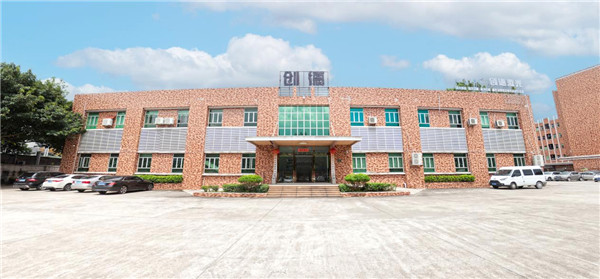
About Styler Welding
Styler is a professional manufacturer aims to provide high quality and trustful welding machine to the customer. Our company has unique understanding and innovative idea in the field of resistance welding and laser applications, and the welding technology has reached to the international level through continuously investing in the technical research and development. We also cooperate with education institutes on the technology development to enhance our machine’s performance and application area. Customer Centric is our core value. Besides of providing personalized high performance and durable machines to the customer, we value the hospitality the most, as we wish customers to have a pleasant purchase experience with us for each visit. Therefore, we have been providing ongoing training internally to provide excellent customer service to our customer. We believe the customer-oriented direction is the key to success, and it has been successfully helping us to develop a strong reputation in the industry, allowing us to retain customers and attracting new customers to start the business with us.
Company Vision
To provide a cutting-edge welding machine in a reasonable price to the customer has been the long-term goal for Styler, and thus, we will continually be developing innovative, stable, and budgeting machine to the customer around the world.
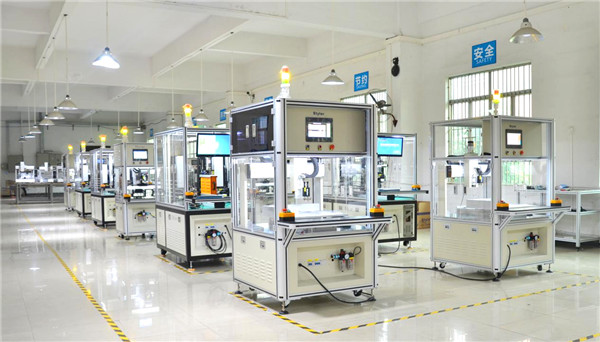
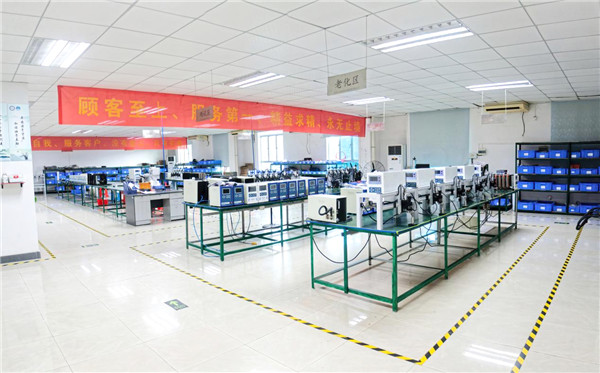
Corporate Social Responsibility
Giving back to the society is important as we are not able to go this far without the community’s support. Therefore, Styler has been actively participating in the charity works and government events each year, to improve the local municipal service and facility.

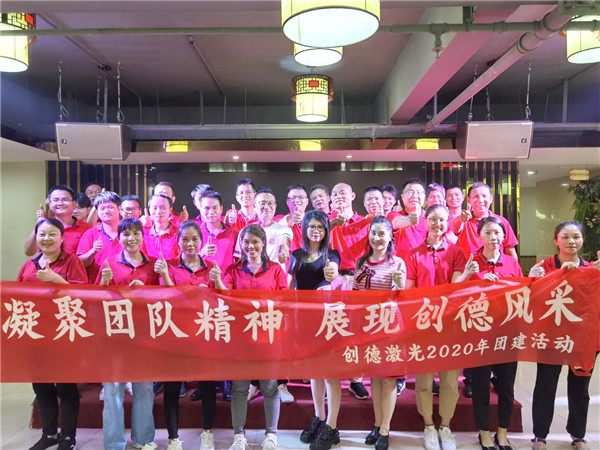
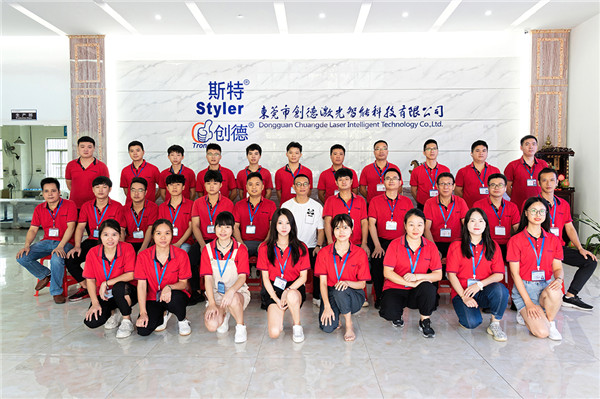
Employee Development & Culture
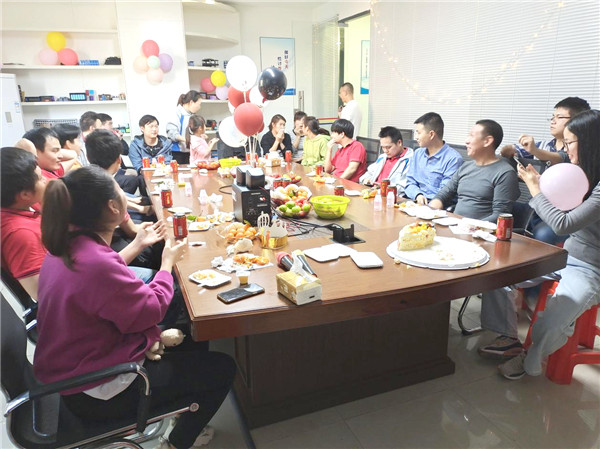
Empowering our team members through knowledge sharing, engineering excellence, and balanced lifestyles.
Despite all the growth that has occurred over the years, we remain extremely employee centric. Our management team works tirelessly to ensure each Styler Welding employee feels fulfilled from work and life. As work-life balanced living style is proved that it would increase employee’s performance at work, and consequently, providing better service and product to the customer.
Comprehensive Welding & Battery Assembly Solutions
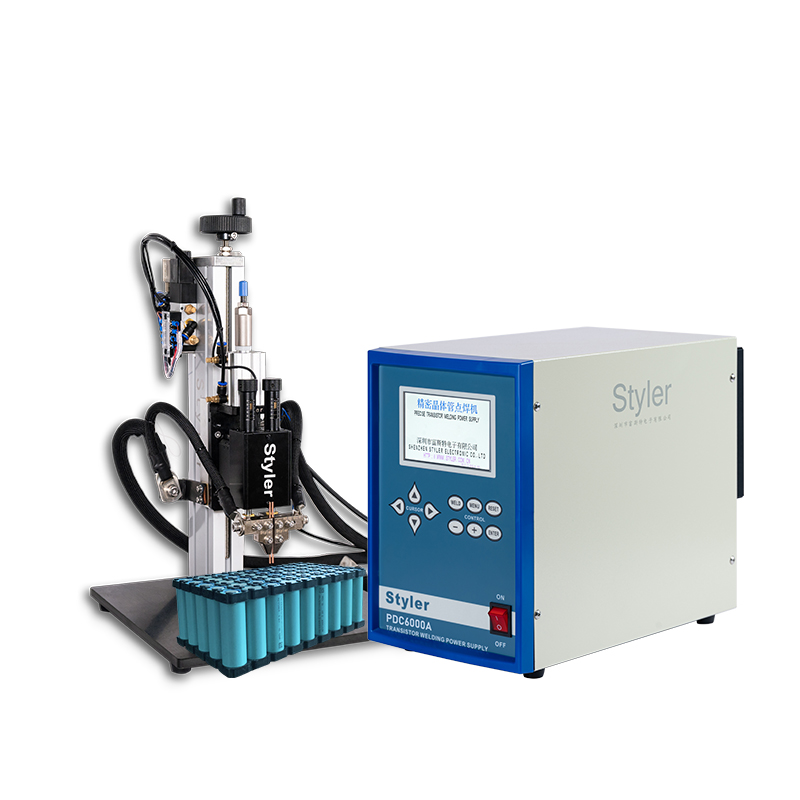
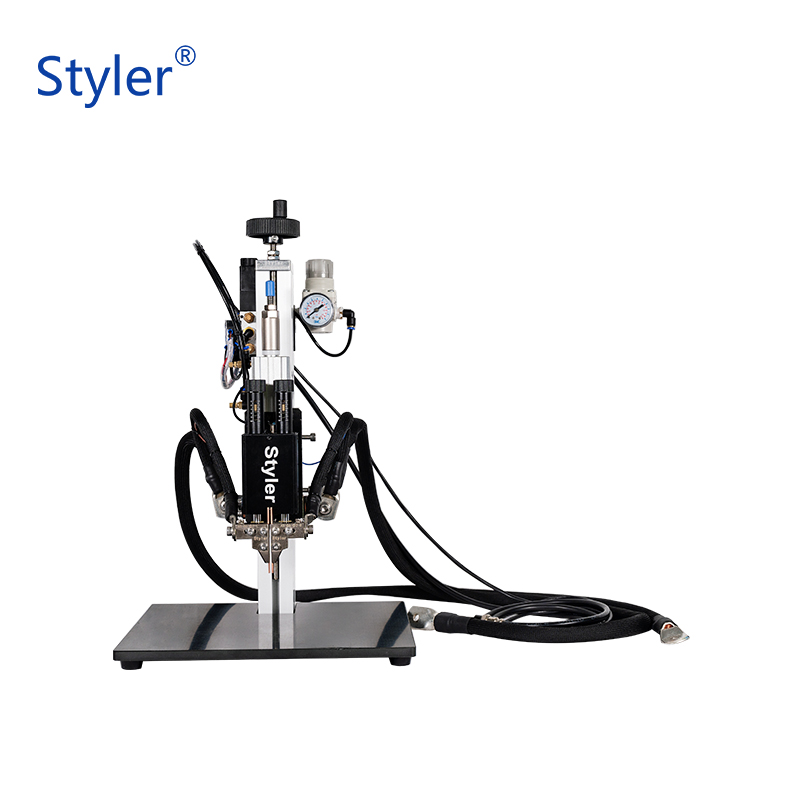
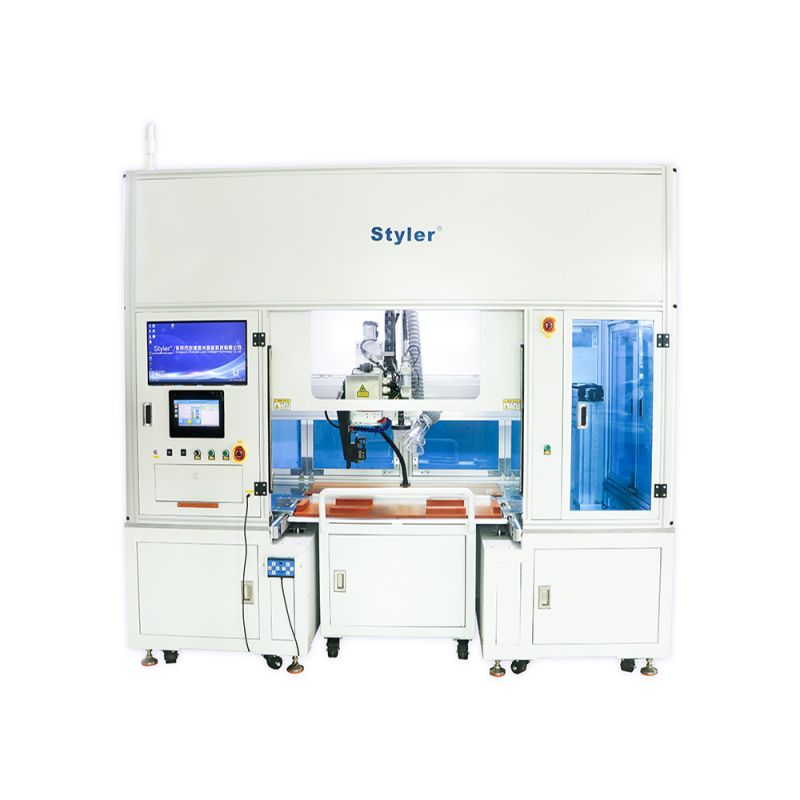
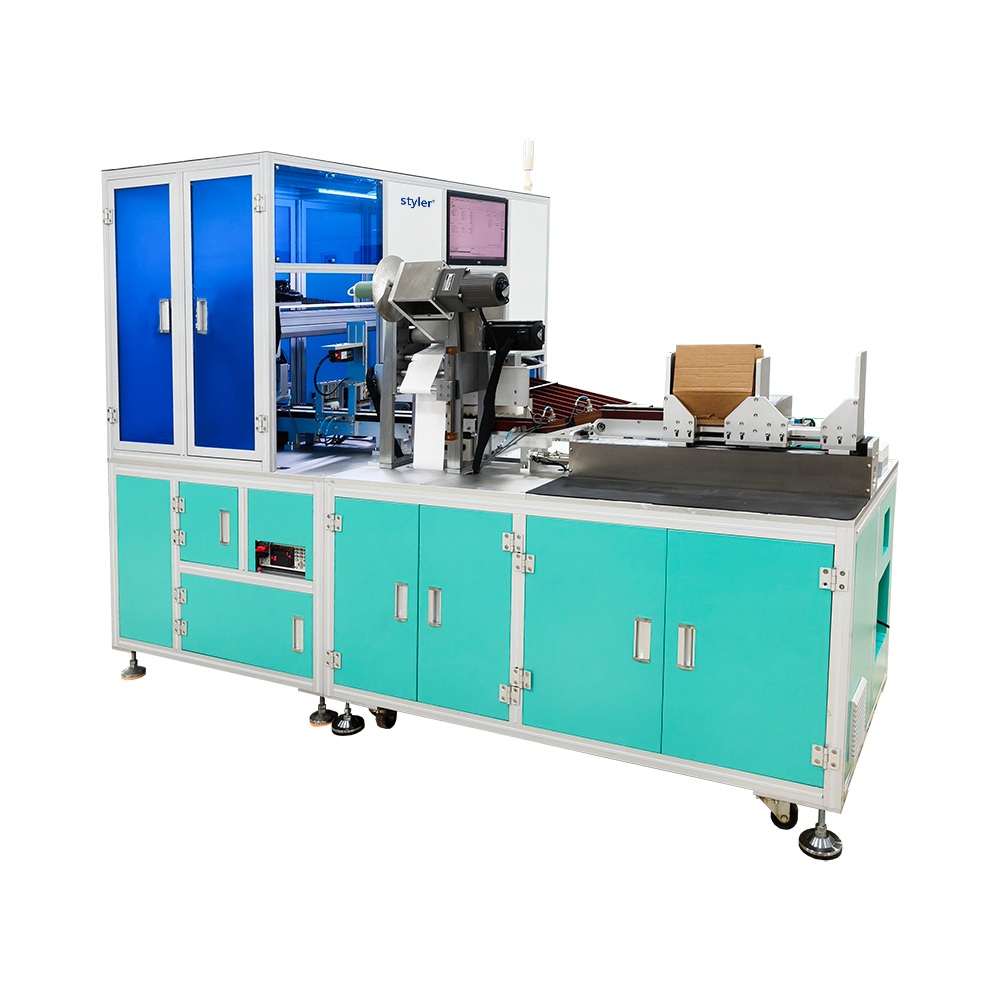
Discover our comprehensive portfolio of spot welders, optical sorting machines, precision weld heads, and continuous laser welding systems.
Technical Sourcing Guide for Hamburg Buyers
Key considerations when selecting spot welding systems and automated production cells for Northern European industrial environments.
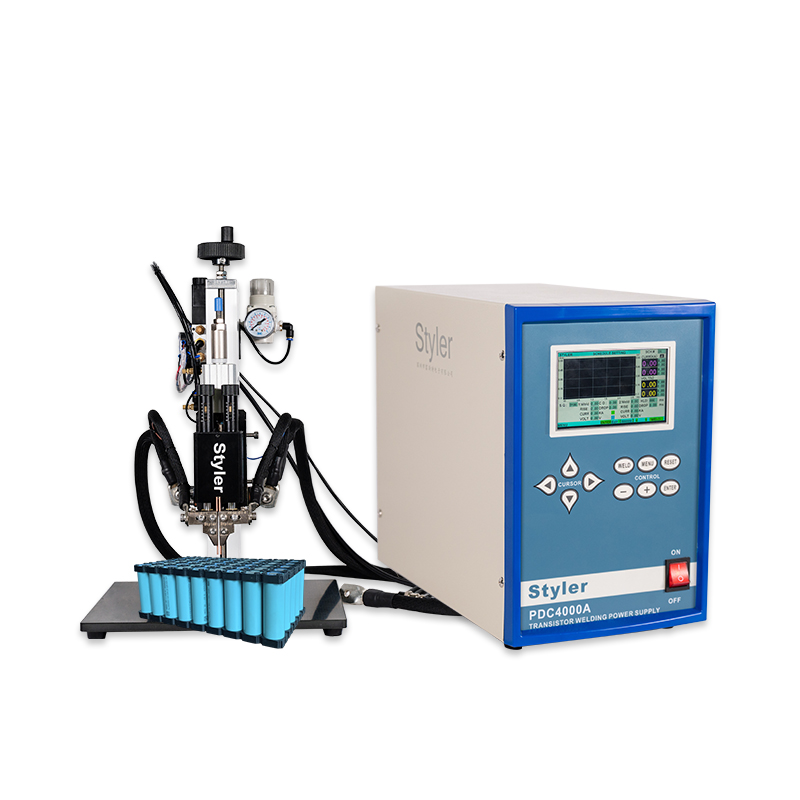
1. Evaluating Thermal Energy Distribution and Material Compatibility: In modern electrical manufacturing, traditional AC welders struggle with high-conductivity materials like copper and aluminum alloys. For procurement engineers in Hamburg and Lower Saxony, prioritizing high-frequency inverter systems—such as our PDC2000A and PDC6000A—enables precise current pulse shaping. This eliminates heat buildup, prevents internal battery separator puncture, and delivers clean, spatter-free joints that satisfy German automotive safety specifications.
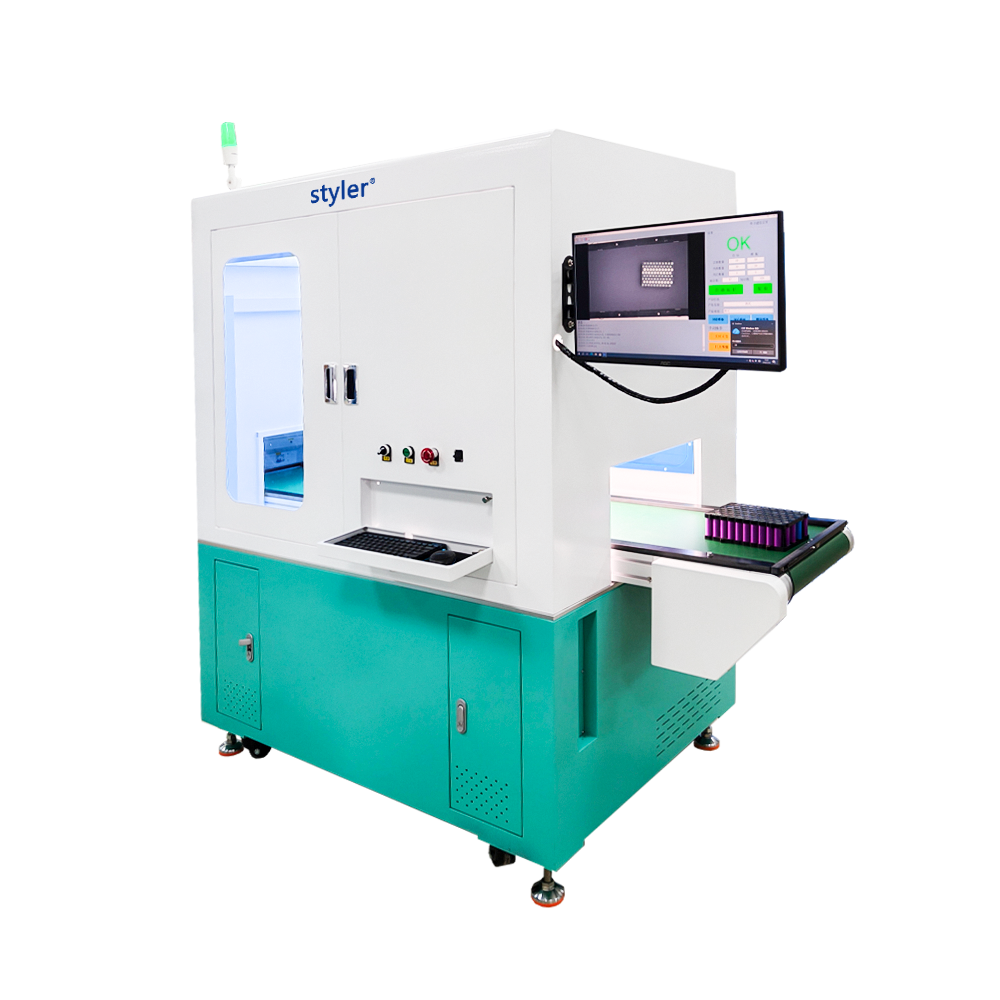
2. In-Line Quality Assurance via Automated Metrology: Manual post-weld inspection introduces bottlenecks and risks human error. Modern manufacturing facilities increasingly pair resistance welders directly with CCD visual inspection systems. By executing automated polar orientation detection, weld nugget diameter measurement, and missing-joint alerts within milliseconds, production managers ensure continuous zero-defect output.
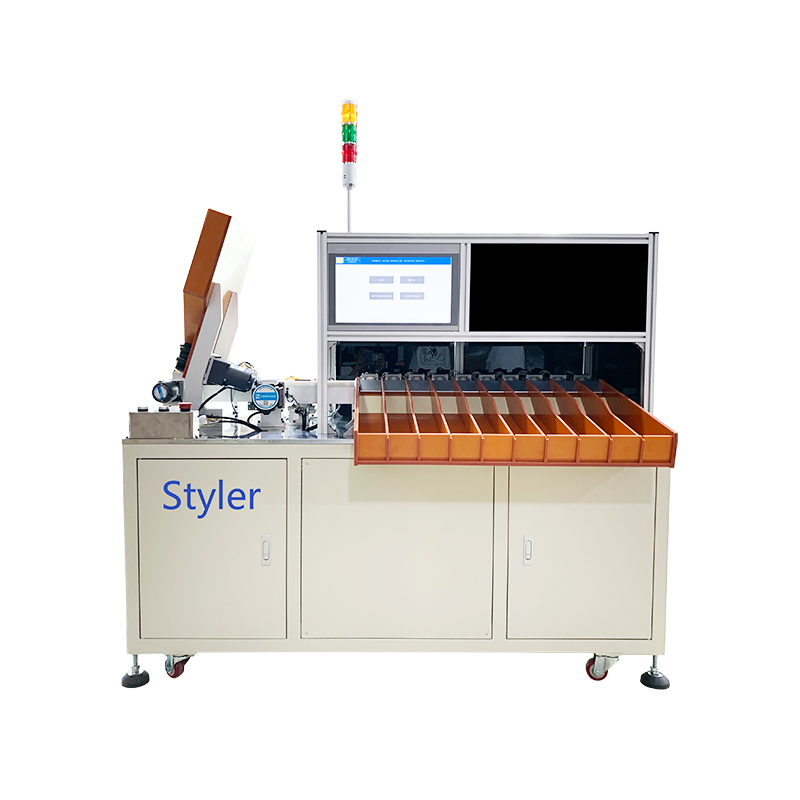
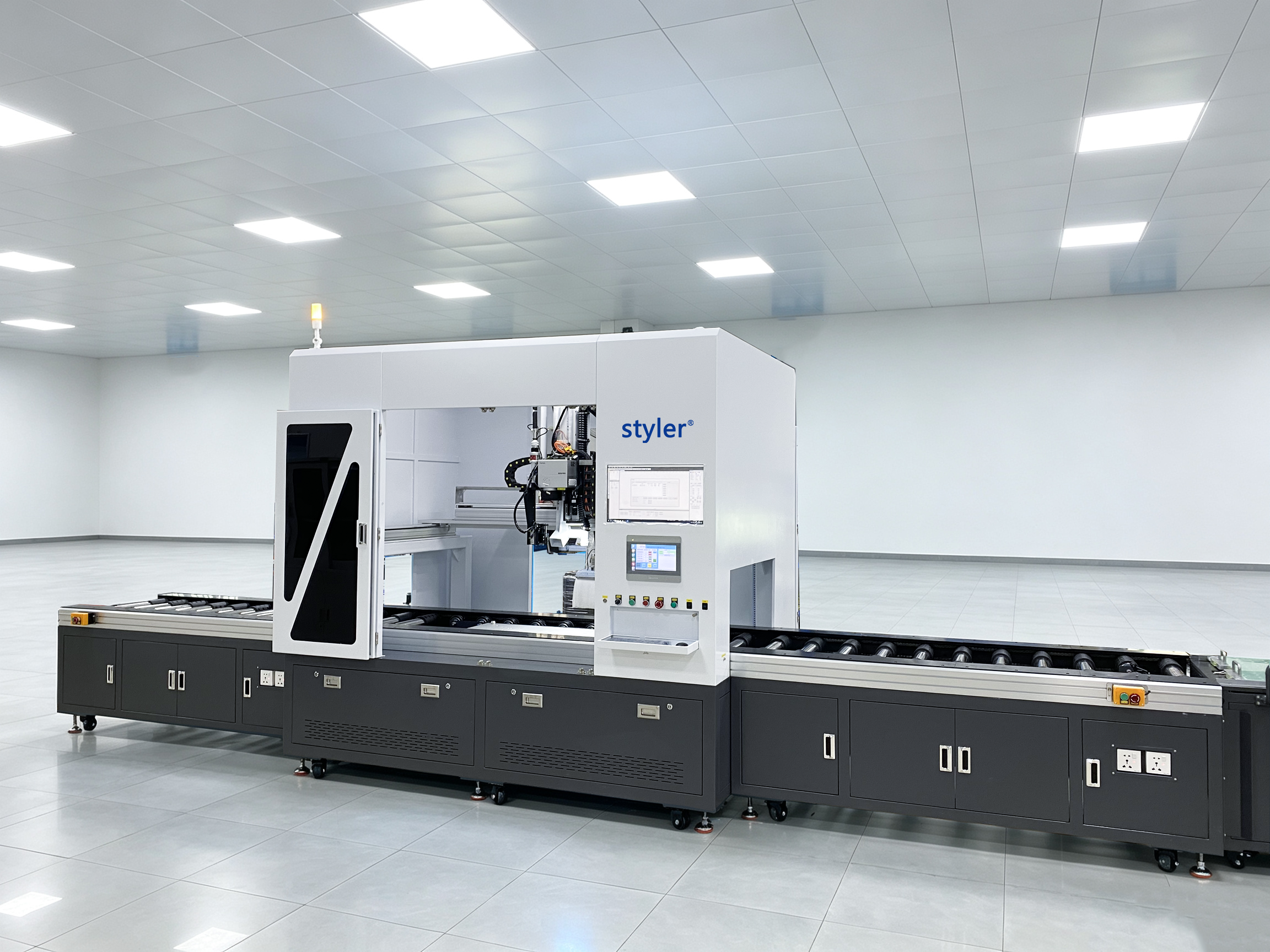
3. Scalability from Batch Prototyping to Full Automation: Engineering teams require flexible equipment capable of scaling from initial R&D prototyping to high-volume multi-shift manufacturing. With modular welding heads, semi-automatic assembly lines, and 10-channel sorting systems, Styler delivers cohesive turnkey solutions that integrate effortlessly into existing MES factory architectures across Europe.


