Featured Heavy-Duty Assembly Line Equipment
High-precision spot welders, automated laser systems, and vision inspection modules engineered for seamless integration into high-volume manufacturing environments.
The Commercial & Industrial Landscape of Heavy-Duty Spot Welding
In the rapidly evolving global manufacturing sector, spot welding machines for heavy-duty manufacturing assembly lines represent a foundational technology driving productivity, structural integrity, and cost-efficiency. From automotive body-in-white (BIW) construction to large-scale energy storage systems (ESS) and aerospace sub-assemblies, industrial spot welding has transitioned from traditional manual operations into sophisticated, fully automated cyber-physical systems.
Modern heavy-duty assembly lines operate under stringent operational constraints: multi-shift continuous duty cycles, strict zero-defect quality standards, and the imperative to process complex lightweight alloys alongside ultra-high-strength steels (UHSS). Consequently, commercial demand has surged for high-frequency Medium Frequency Direct Current (MFDC) resistance spot welders, fiber laser spot welding equipment, and integrated vision-guided positioning systems.
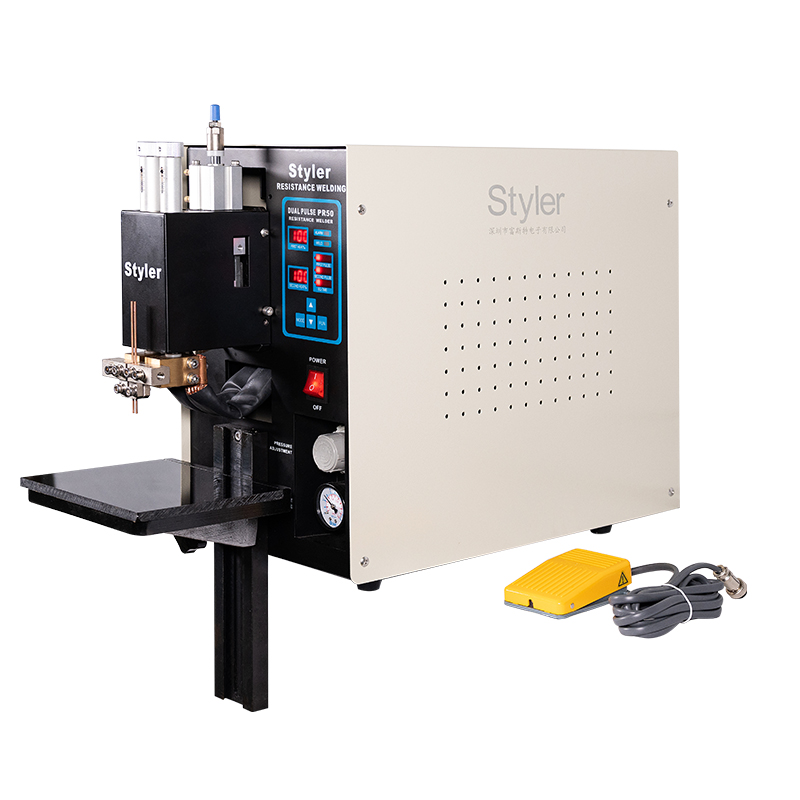
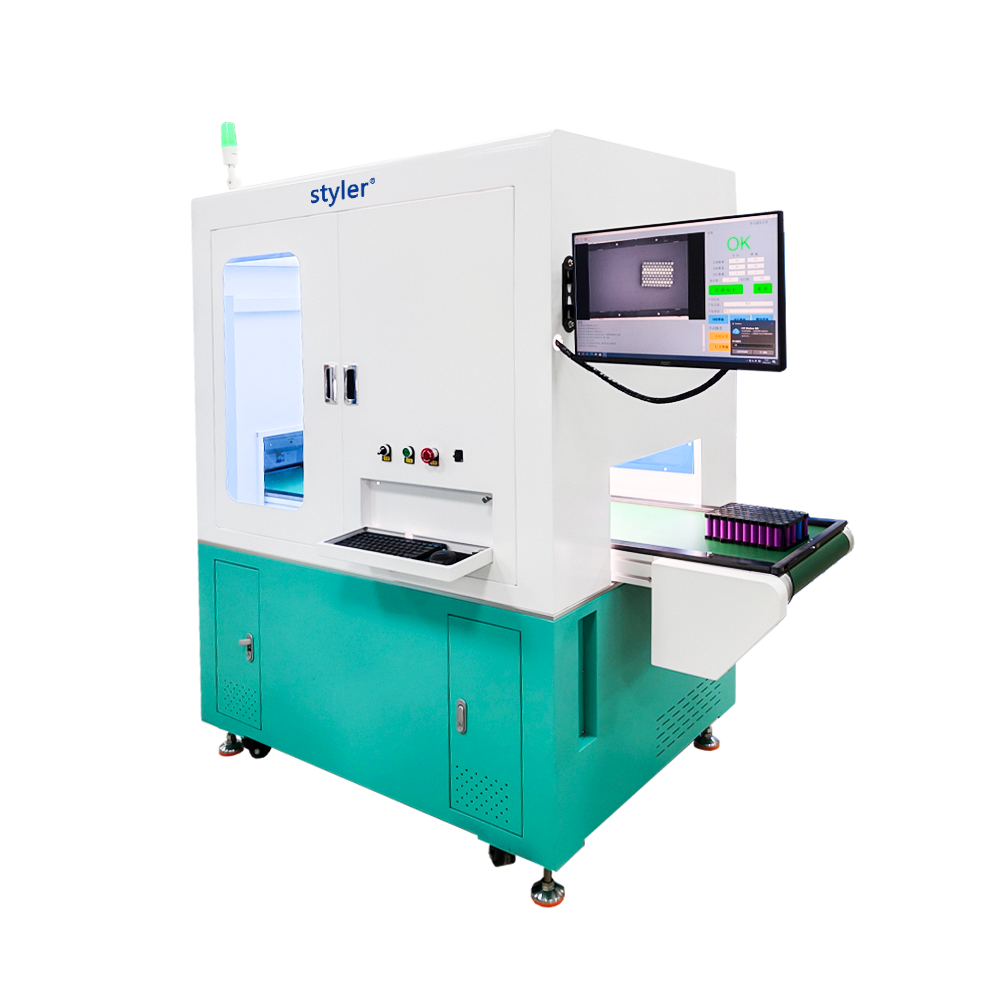
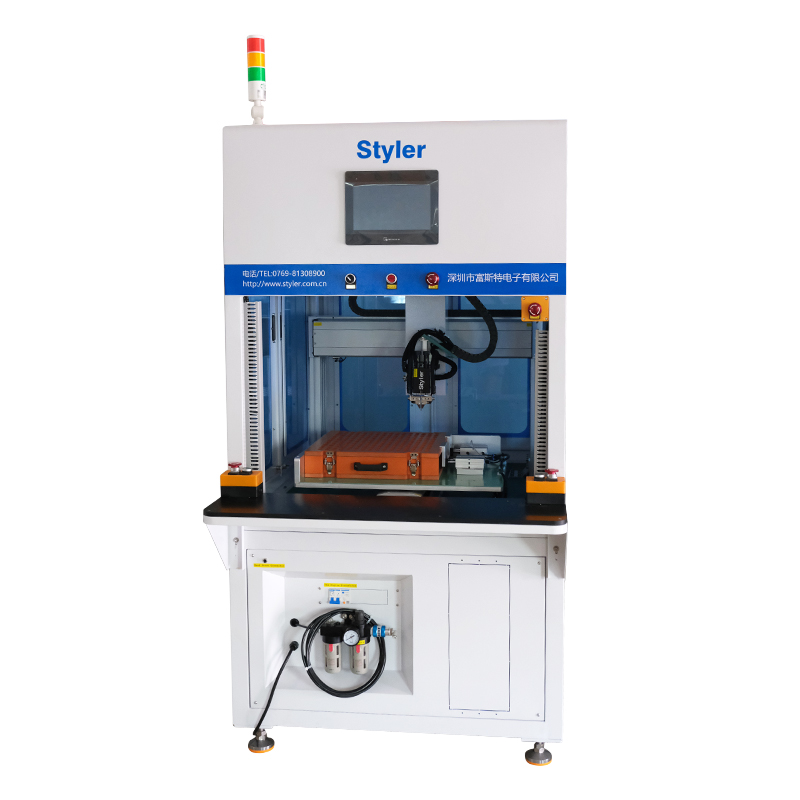
Delivering millisecond-level current response, reducing energy consumption while optimizing thermal dynamics during heavy-gauge joining.
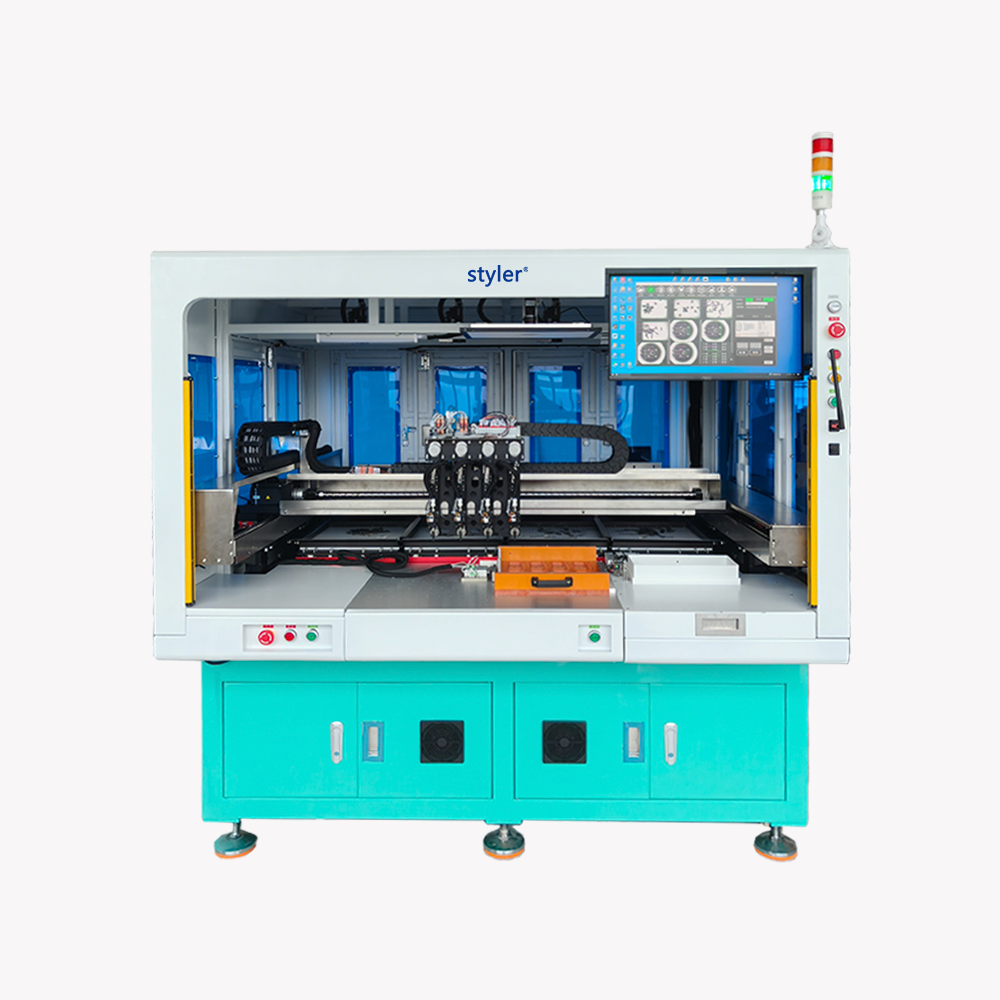
Integrating real-time CCD spatial positioning and visual weld defect checking for zero-defect automated throughput.
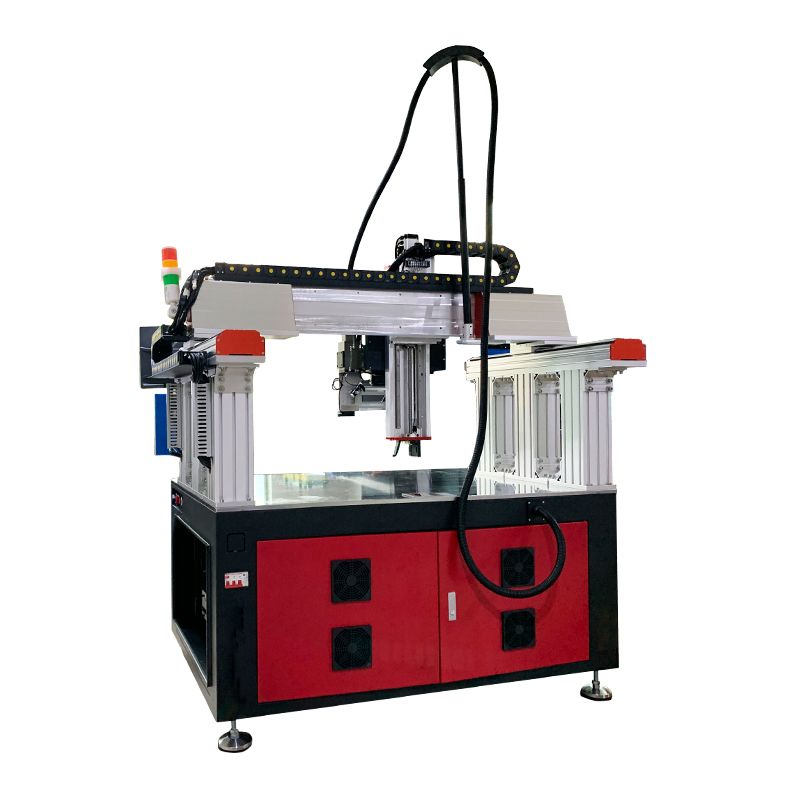
Seamless multi-axis gantry and robotic arm synchronization for dynamic, continuous assembly line workflows.
Key Industry Trends Driving Spot Welding Innovation
To stay competitive, industrial manufacturers are upgrading their assembly infrastructure to align with several pivotal market transformations:
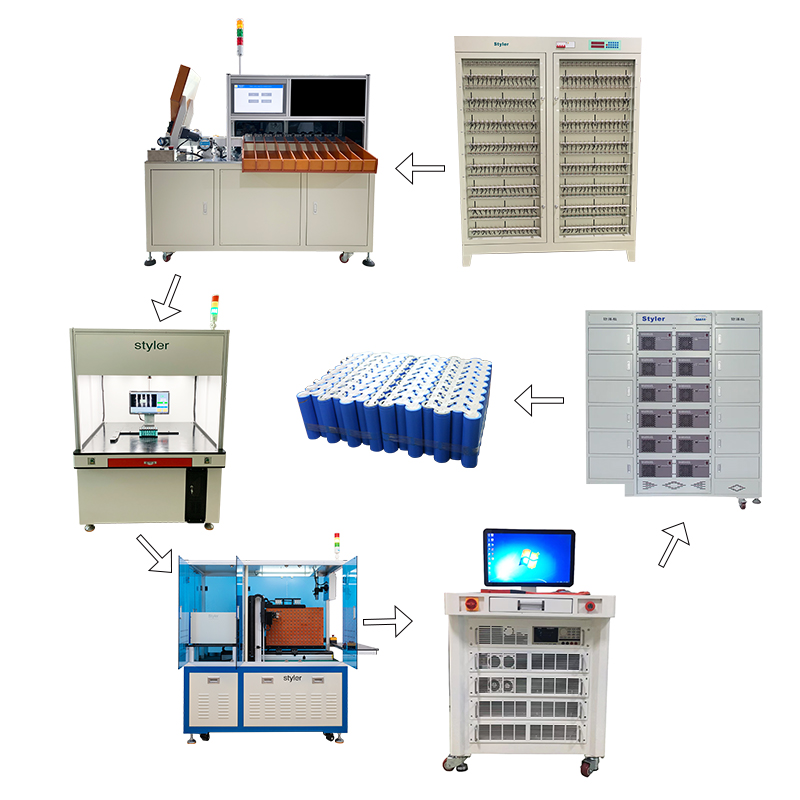
- Transition to Electric Vehicles (EV) & Battery Storage: The exponential growth of EV battery pack manufacturing demands high-precision joining of dissimilar metals, such as copper-to-aluminum and nickel-to-steel connections. Advanced spot welding and automated nickel sheet placement machines have become critical components of automated EV pack assembly lines.
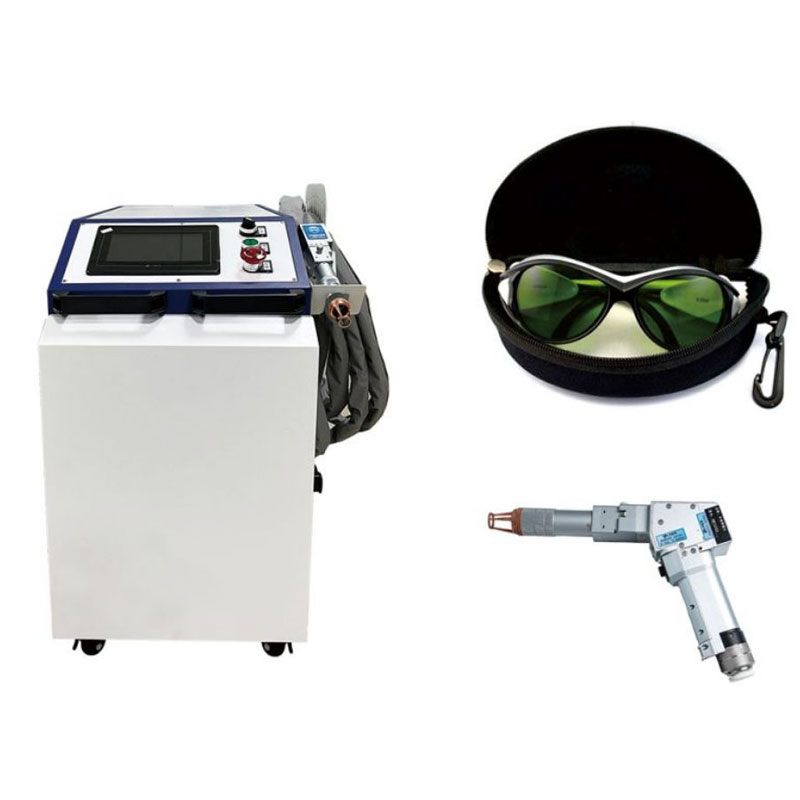
- Integration of Fiber Laser Hybrids: High-power fiber laser spot welding is increasingly complementing traditional resistance spot welding. Systems like 3000W automatic fiber laser welding equipment offer contactless, non-deflective, high-speed joins with minimal heat-affected zones (HAZ).
- Closed-Loop Process Control & Smart Diagnostics: Modern assembly lines utilize real-time displacement sensors, dynamic resistance monitoring, and thermal camera feedback to automatically adjust weld currents and electrode force, preventing spatter and expulsion.
- Sustainability & Carbon Reduction: Higher energy transformation rates in modern inverter spot welders cut power usage by up to 30–40% compared to legacy AC welders, drastically lowering the operational carbon footprint of heavy industrial facilities.
In-Depth Application Scenarios in Heavy-Duty Assembly Lines
Heavy-duty spot welding equipment is deployed across a broad array of critical industrial sectors. Understanding these applications highlights the technical versatility required from high-end equipment manufacturers:
1. Automotive Body-in-White (BIW) & Frame Manufacturing
In vehicle assembly plants, thousands of spot welds must be executed in minutes with uncompromising structural consistency. Heavy-duty resistance spot welding guns mounted on robotic arms or stationary multi-spot machines join hot-stamped boron steel, advanced high-strength steel (AHSS), and structural aluminum alloys. Precision parameter control ensures joint durability under catastrophic crash-test conditions.
2. Commercial Energy Storage Systems (ESS) & EV Battery Module Assembly
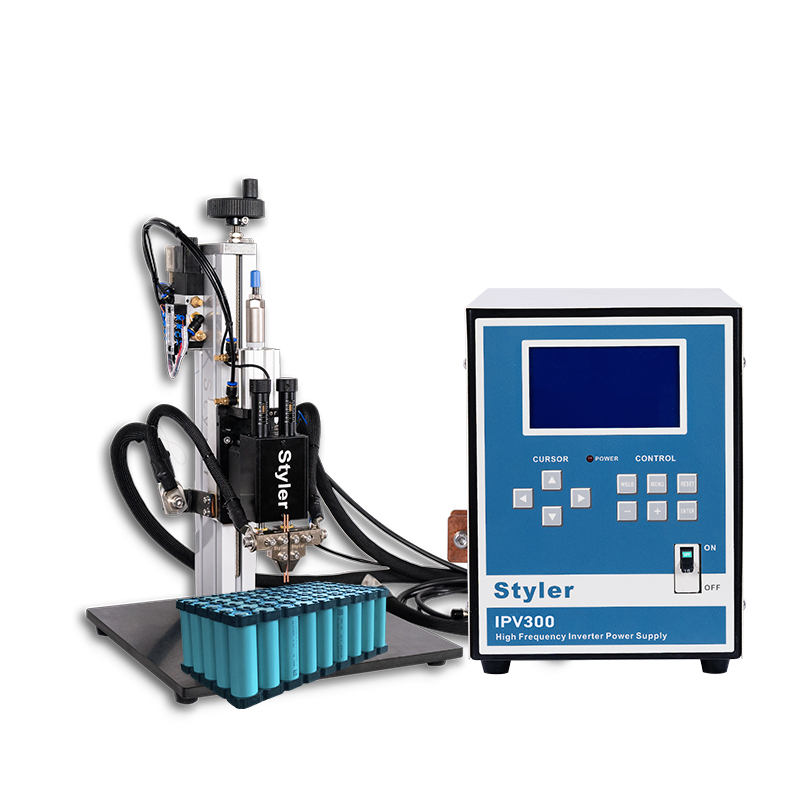
The manufacturing of cylindrical (18650, 21700, 4680) and prismatic lithium battery packs requires precise micro-spot welding and automated nickel sheet placement. Specialized spot welders deliver microsecond energy pulses to minimize thermal penetration, preserving cell internal chemistry while forming ultra-low resistance electrical interconnects.
3. Aerospace Structural Panels & Engine Ducting
Aerospace manufacturing demands extreme quality control. High-precision XY axis spot welders process titanium, Inconel, and specialized aluminum alloys. Integrated CCD inspection systems record spatial position, weld size, and surface integrity for complete quality traceabilities across every flight-critical assembly.
4. Heavy Electrical Switchgear & Transformer Busbars
Industrial electrical equipment relies on spot welding to join thick copper and brass busbars, contacts, and relay assemblies. High-tonnage pneumatic or servo-driven force mechanisms ensure continuous gas-tight metallurgical bonds capable of handling massive electrical loads without degradation.
Evaluating Key Technical Parameters for Assembly Line Selection
When selecting spot welding machinery for heavy-duty industrial integration, plant engineers and procurement specialists analyze several core mechanical and electrical benchmarks:
- Inverter Frequency & Current Stability: 1000Hz to 4000Hz MFDC power supplies provide fast rise times and stable DC output, preventing inductive losses in long welding arms.
- Electrode Pressure Systems: Servo-electric actuators outperform conventional pneumatic cylinders by enabling programmed soft-touch landing, variable force profiles during forging, and precise penetration control.
- Vision System Resolution & AI Integration: High-resolution CCD visual alignment ensures that micro-spot welders accurately target battery terminals or sub-millimeter component pads despite component position variances.
- Duty Cycle & Thermal Management: Heavy-duty lines running 24/7 require robust water-cooling networks across transformers, SCRs, dynamic electrodes, and laser optics to prevent thermal drift.
About Styler Welding
Leading Innovator in Industrial Resistance Welding & Advanced Laser Application Solutions

About Us
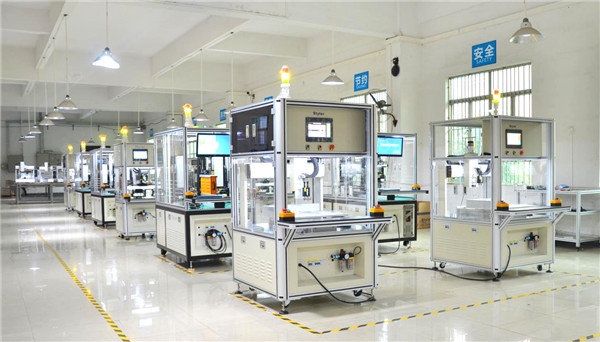
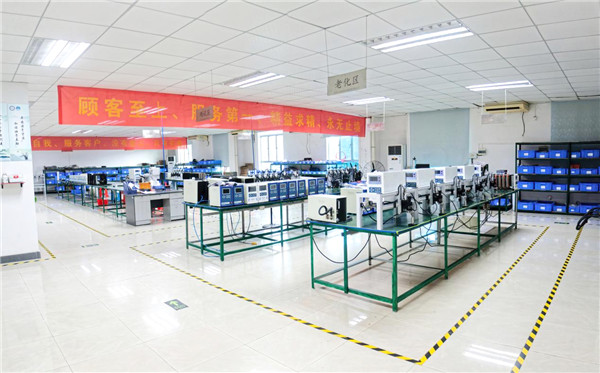
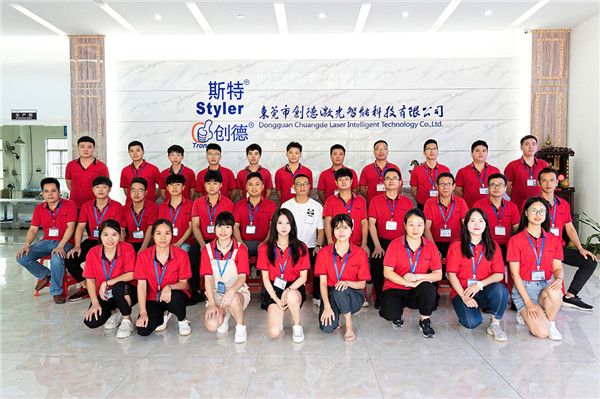
Styler is a professional manufacturer aims to provide high quality and trustful welding machine to the customer. Our company has unique understanding and innovative idea in the field of resistance welding and laser applications, and the welding technology has reached to the international level through continuously investing in the technical research and development. We also cooperate with education institutes on the technology development to enhance our machine’s performance and application area. Customer Centric is our core value. Besides of providing personalized high performance and durable machines to the customer, we value the hospitality the most, as we wish customers to have a pleasant purchase experience with us for each visit. Therefore, we have been providing ongoing training internally to provide excellent customer service to our customer. We believe the customer-oriented direction is the key to success, and it has been successfully helping us to develop a strong reputation in the industry, allowing us to retain customers and attracting new customers to start the business with us.
Company Vision
To provide a cutting-edge welding machine in a reasonable price to the customer has been the long-term goal for Styler, and thus, we will continually be developing innovative, stable, and budgeting machine to the customer around the world.

Corporate Social Responsibility
Giving back to the society is important as we are not able to go this far without the community’s support. Therefore, Styler has been actively participating in the charity works and government events each year, to improve the local municipal service and facility.
Employee Development
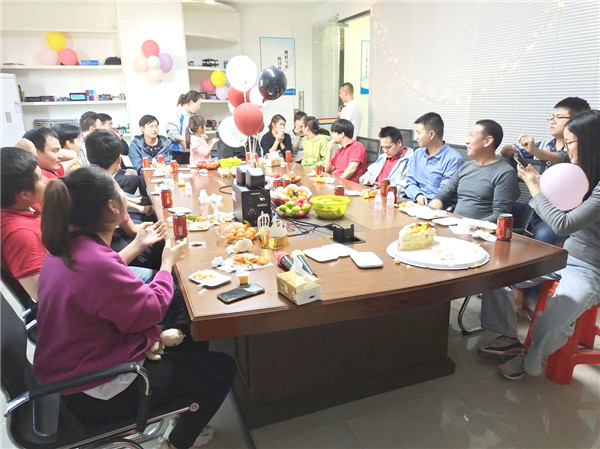
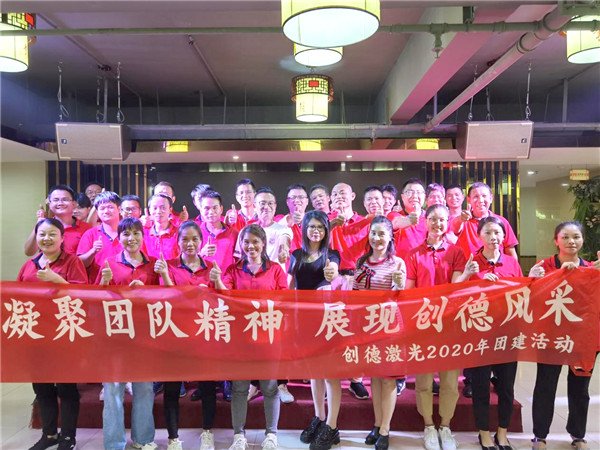
Despite all the growth that has occurred over the years, we remain extremely employee centric. Our management team works tirelessly to ensure each Styler Welding employee feels fulfilled from work and life. As work-life balanced living style is proved that it would increase employee’s performance at work, and consequently, providing better service and product to the customer.
Maximizing ROI: Financial and Operational Benefits for Manufacturers
Deploying heavy-duty spot welding machinery into continuous assembly lines involves significant strategic capital investment. However, high-performance equipment delivers long-term financial returns across multiple key operational channels:
- Drastic Cycle-Time Reduction: Automated high-frequency welding heads coupled with high-speed indexing tables or multi-axis gantries reduce weld cycle times down to fraction-of-a-second intervals.
- Minimization of Scrap and Rework Costs: Integrated real-time parameter checking and automated visual inspection ensure defective welds are flagged instantly before downstream assembly occurs, saving raw material and labor expenses.
- Extended Consumable Life: Advanced force-frequency control profiles minimize tip mushrooming and pick-up on copper electrodes, reducing tip dress frequency and extending consumable lifespan.
- Floor-Space Optimization: Modular compact spot welding units allow higher packing density along the assembly line, enabling multi-process cells (welding, inspection, pick-and-place) within minimal factory footprints.
Future Directions: Smart Welding Cells & Industry 5.0
As manufacturing enters the era of Industry 5.0, spot welding machines are growing increasingly intelligent and human-collaborative. Predictive maintenance algorithms analyze historical current delivery, cooling flow rates, and pneumatic pressure drop signatures to forecast machine failures before unexpected line stoppages occur. Seamless IoT connectivity links every spot welder to cloud analytics dashboards, giving plant management full operational transparency across global facility deployments.
By constantly advancing resistance welding technology, laser integration, and automated quality verification, Styler Welding continues to pioneer reliable, intelligent, and cost-effective equipment engineered for the rigorous demands of global heavy-duty manufacturing assembly lines.
Complete Styler Product Portfolio
Explore our full line of spot welding machines, fiber laser systems, and automated pack assembly equipment engineered for heavy industry.