
Featured Battery Welding & Assembly Systems
Explore high-precision resistance spot welders, high-power laser systems, and fully integrated production equipment engineered for modern cell assembly.
The Belgian Industrial Landscape & Battery Manufacturing Acceleration
How Belgium is positioning itself at the crossroads of European electrification, battery innovation, and smart industrial automation.
Strategic EU Battery Hub
Driven by the European Battery Alliance (EBA), Belgian industrial ecosystems in Flanders and Wallonia are aggressively expanding facilities for lithium-ion battery integration, pack assembly, and module repair.
Automotive & Mobility Transformation
Major automotive manufacturing facilities in Ghent, Forest (Brussels), and surrounding technological parks are shifting rapidly from traditional internal combustion engines toward pure electric vehicles (EVs) and hybrid power systems.
R&D and Micro-Electronics Precision
With world-renowned research organizations like IMEC, VITO, and leading engineering universities in Leuven and Ghent, Belgium requires ultra-precise, reliable, and data-logged micro-welding equipment.
Technological Trends in Battery Spot Welding
From standard resistance welding to high-frequency inverter technology and automated laser joining.
High-Frequency Inverter & Transistor Spot Welding
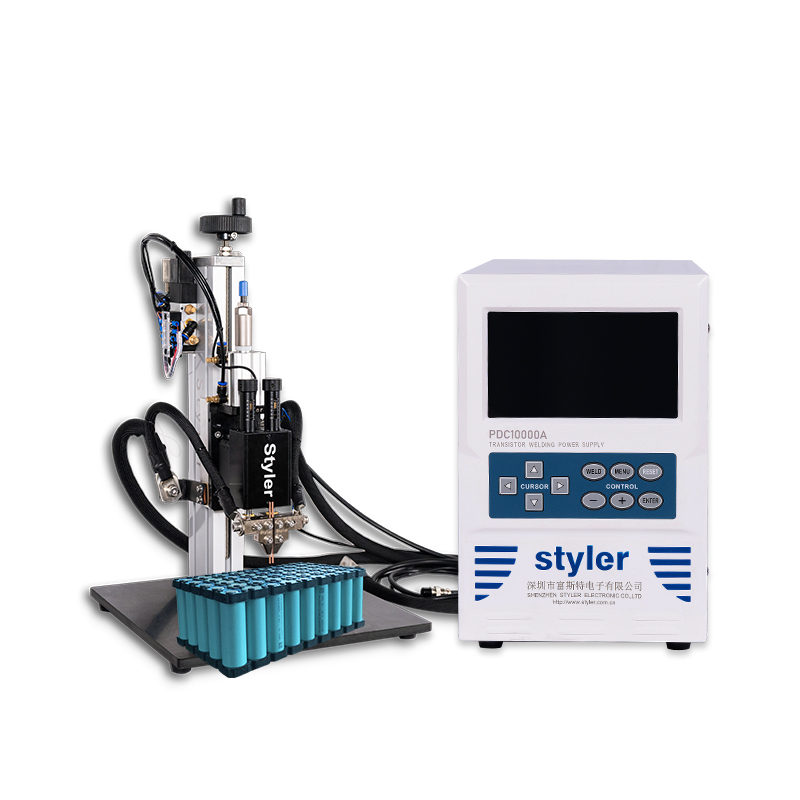
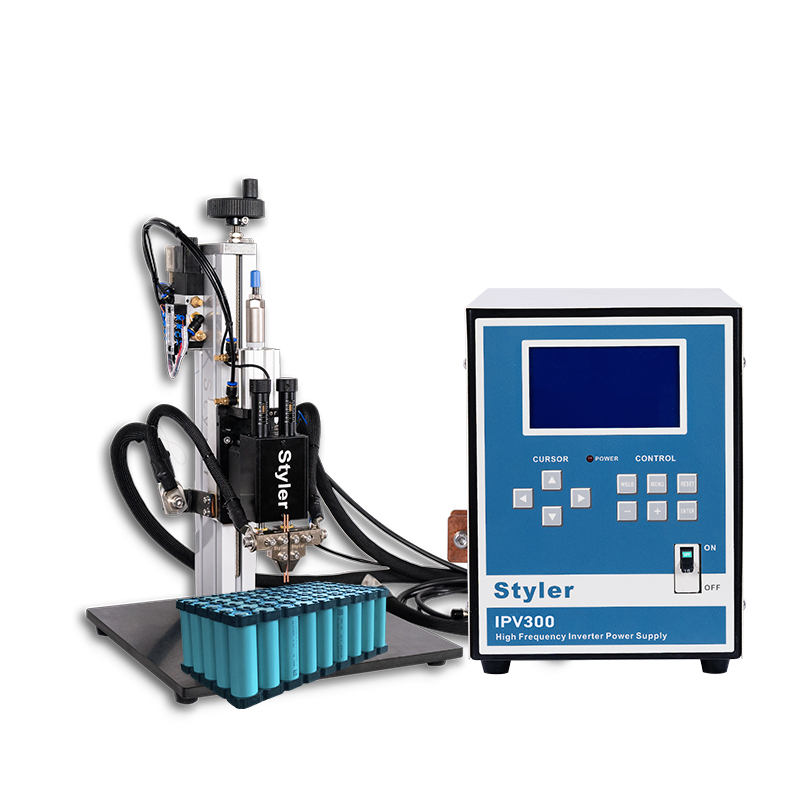
Traditional AC welders often generate excessive thermal stress, leading to battery cell degradation or localized burn-through. Modern battery spot welding machines deployed across Belgian production facilities utilize High-Frequency Inverter DC (HFDC) or Transistor-controlled technology.
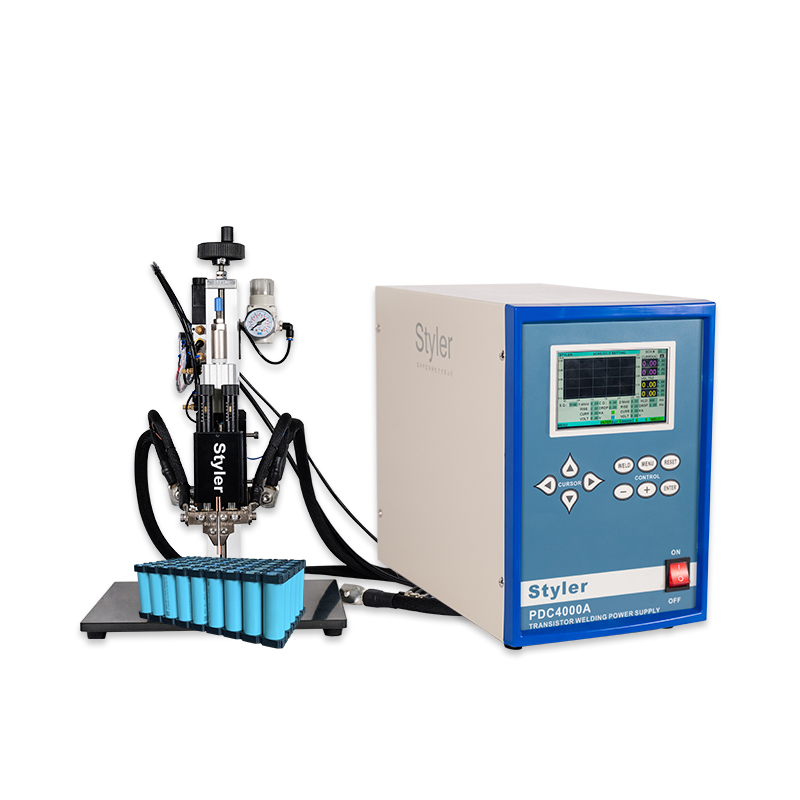
These systems control welding currents with millisecond precision, delivering quick power bursts that bond nickel, copper, or aluminum tabs to cell terminals without elevating the internal temperature of the battery core.
- Sub-millisecond pulse duration control prevents electrolyte thermal damage.
- Dynamic real-time resistance dynamic monitoring ensures uniform weld joint quality.
- Energy-efficient power draws aligned with European industrial sustainability mandates.
Automated Laser & Robotic Joining Integration
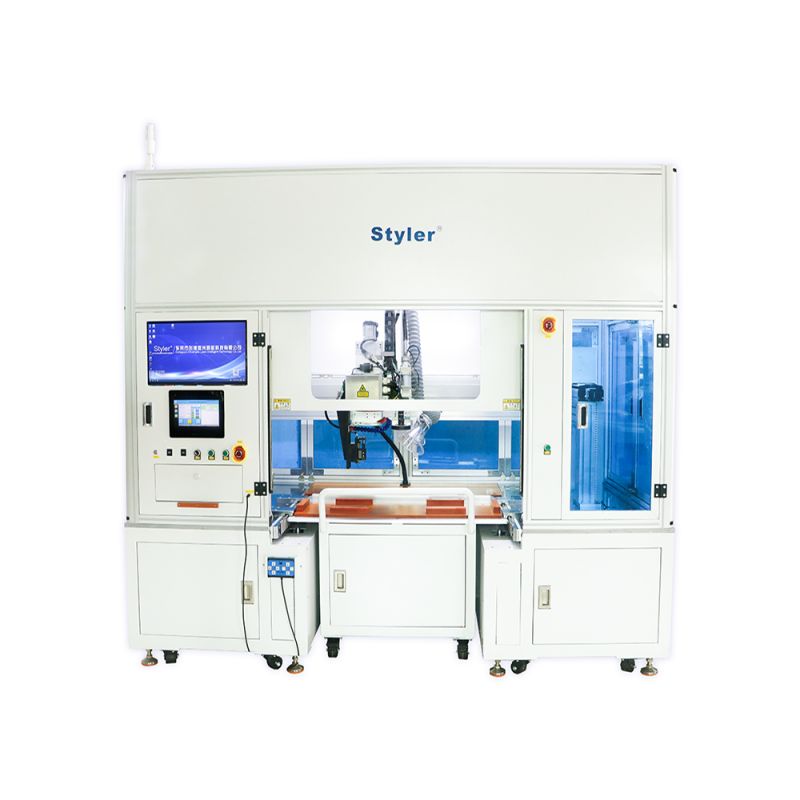
As battery pack production scales up, Belgian system integrators are increasingly adopting automated fiber laser welding machines alongside automated spot welders. Fiber laser welding offers non-contact, high-speed joining ideal for thick copper-aluminum interconnects in EV module manufacturing.
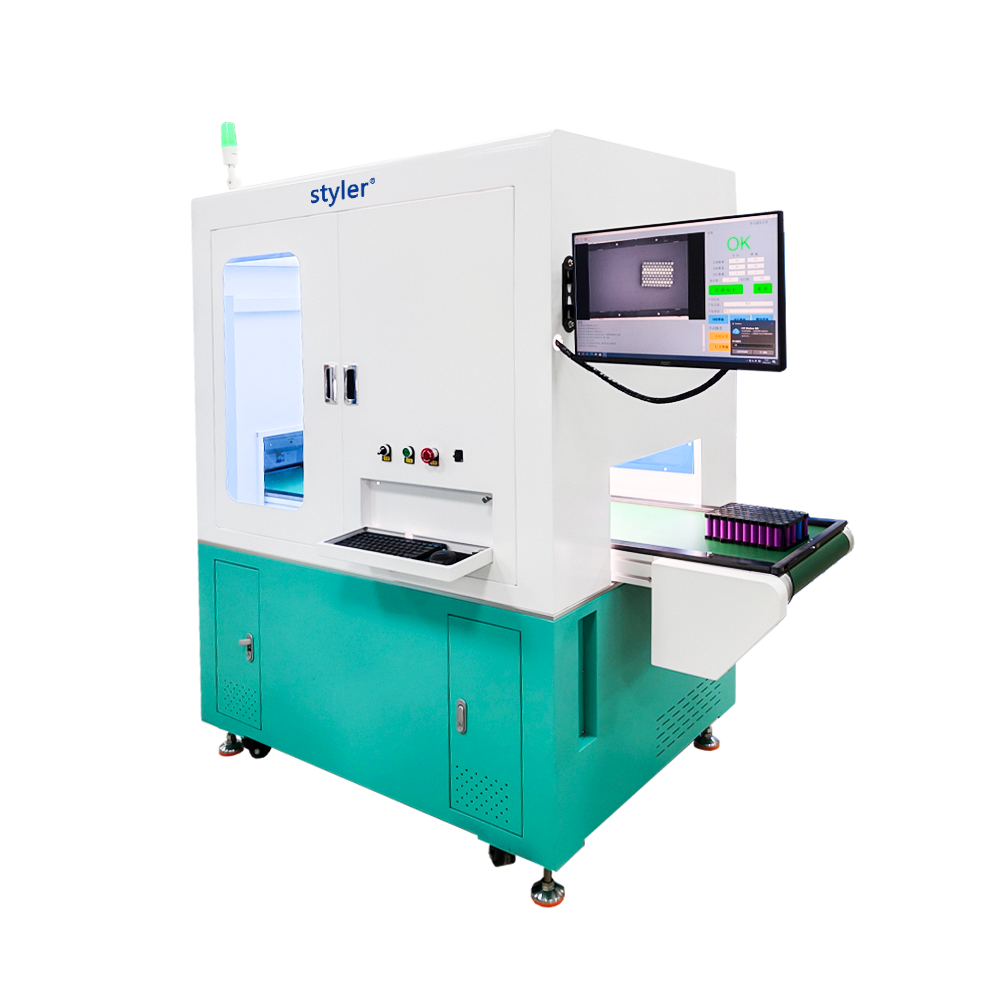
Combining automated 3D gantry systems, CCD visual alignment cameras, and automated cell sorting equipment creates an end-to-end smart manufacturing cell capable of maintaining zero-defect standards required by European automotive clients.
- Non-contact welding eliminates electrode wear and continuous consumable costs.
- CCD visual inspection automatically detects tab misalignment and joint flaws.
- Seamless integration with MES (Manufacturing Execution Systems) for digital traceability.
Localized Application Scenarios Across Belgian Sector Clusters
Tailored battery assembly solutions engineered for diverse Belgian commercial and industrial applications.
1. E-Mobility & Cargo Logistics (Antwerp & Ghent Hubs)
Belgium's urban centers and dense logistical networks rely heavily on last-mile electric cargo bikes, automated guided vehicles (AGVs) in port warehouses, and light electric utility vehicles. Assembling custom battery packs for these fleet vehicles requires versatile spot welding machines capable of handling varying nickel strip thicknesses and custom nickel-copper composite busbars.
2. Stationary Battery Energy Storage Systems (BESS)
With the rapid expansion of solar rooftop installations and offshore wind farms in the North Sea, local grid storage systems are expanding across Wallonia and Flanders. Large-scale energy storage modules utilize robust prismatic or cylindrical cell packs welded with high-amperage spot welders (such as 6000A to 10000A systems) to minimize resistance heating under continuous high-current discharge.
3. Industrial Equipment Electrification
Belgian manufacturers of agricultural machinery, material handling equipment, and construction tools are replacing internal combustion engines with high-voltage battery banks. Spot welding provides the vibration-resistant joint strength required to endure heavy mechanical shock in demanding industrial operations.
4. Second-Life Battery Repurposing & R&D Laboratories
Belgium is a frontrunner in circular economy initiatives. Research facilities and recycling centers utilize specialized spot welding and sorting equipment to disassemble, test, and re-weld recycled cylindrical cells into second-life energy storage units, extending battery lifecycles in full compliance with EU sustainability guidelines.
Key Selection Criteria for Battery Welding Machinery
Essential technical considerations for Belgian engineers and plant managers specifying welding equipment.
Current Stability & Precision
Look for welders featuring closed-loop current feedback control. Constant current or constant voltage modes prevent sparks, burn-through, or weak cold joints during continuous high-speed production runs.
Safety & CE Compliance
Equipment deployed in Belgium must satisfy strict EU Machinery Directives, Low Voltage Directives, and EMC standards. Integrated safety interlocks and emergency stops are vital.
Automation Interfaces
Ensure compatibility with standard industrial communication protocols (PLC, RS485, Ethernet/IP) to facilitate integration with automated robotics, automated sorters, and CCD cameras.
About Styler Welding Technology
Pioneering High-Precision Resistance Welding and Advanced Laser Application Solutions Worldwide.
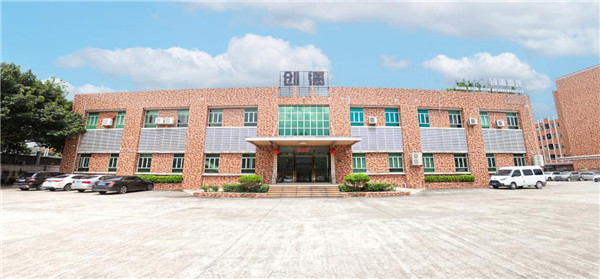
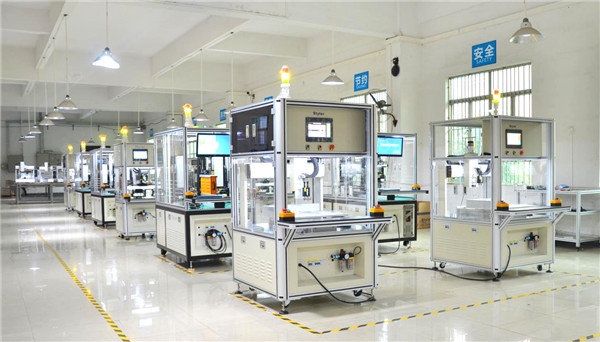
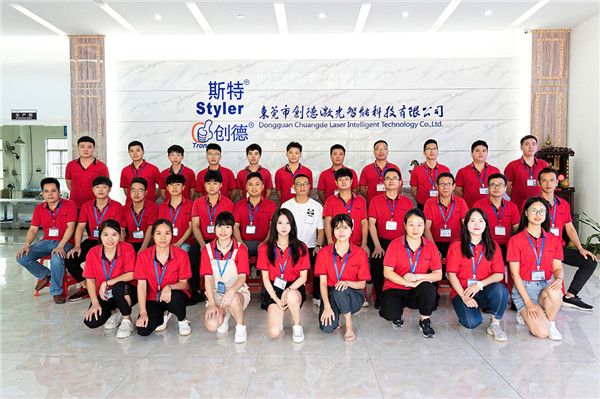
Our Engineering Expertise
Company Vision
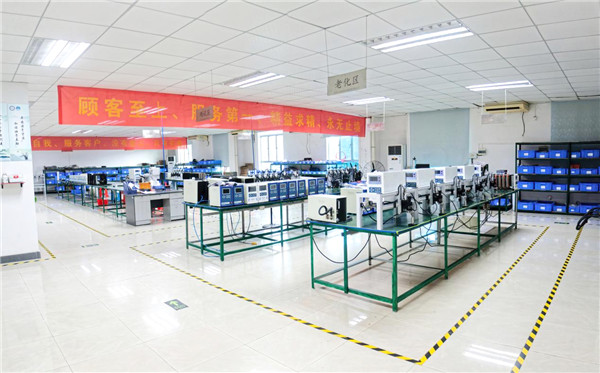

Corporate Social Responsibility
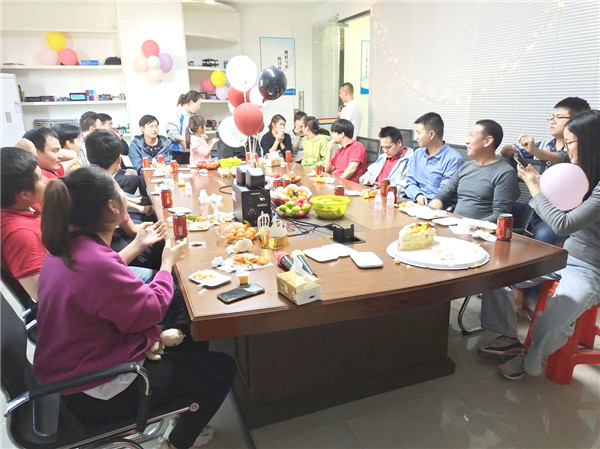
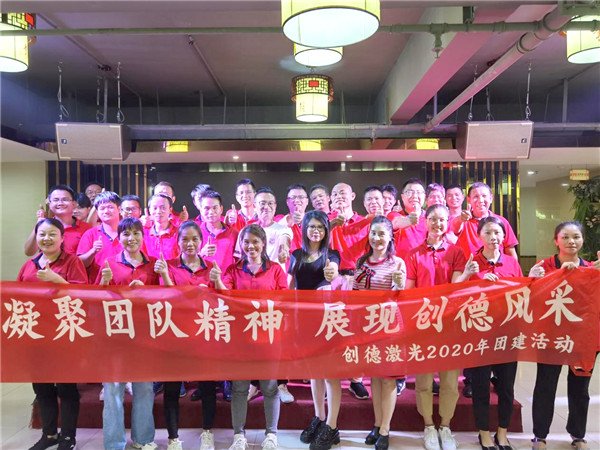
Employee Development
Complete Range of Battery Pack Manufacturing Equipment
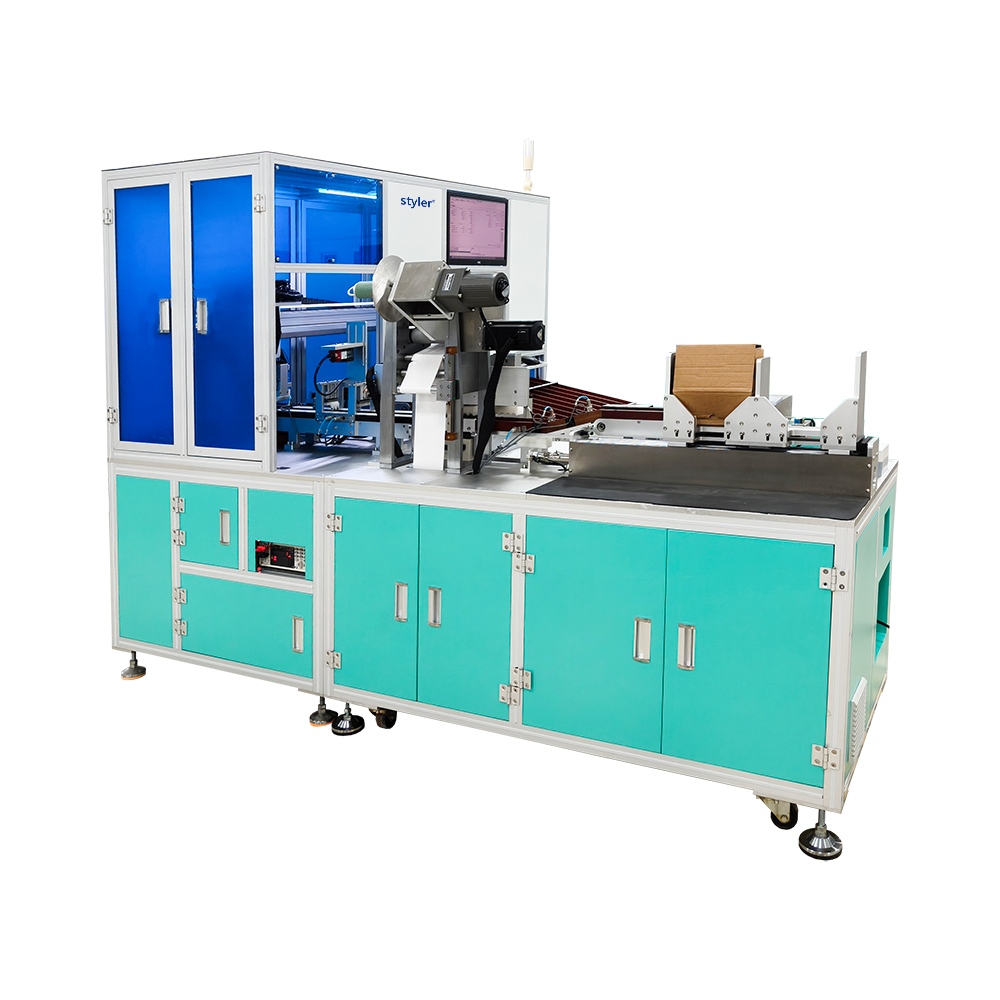
Discover our full product catalog designed to support end-to-end battery production, sorting, welding, and quality inspection.
Frequently Asked Questions for Battery Assembly in Belgium
Expert insights regarding technology selection, system commissioning, and ongoing maintenance.
Why is spot welding preferred over soldering for battery cells?
Soldering applies direct high heat to cell terminals for extended durations, which risks melting delicate internal separators, causing electrolyte leakage, or initiating thermal runaway. Spot welding uses precise millisecond electrical pulses to create a localized fuse bond without thermal transfer into the interior cell structures.
How to select between resistance spot welding and laser welding?
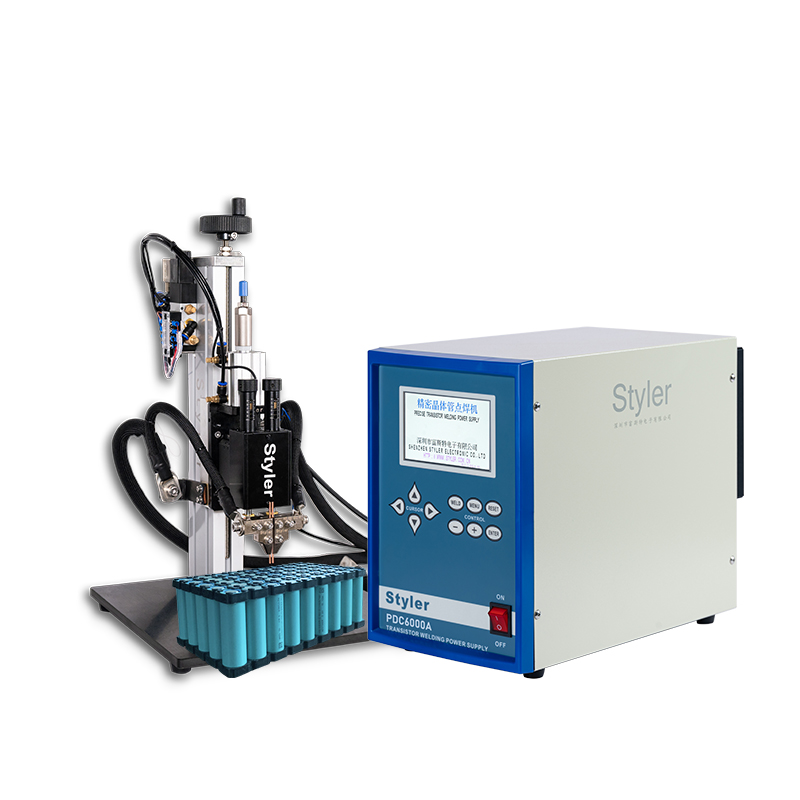
Resistance spot welding (e.g., PDC6000A or PDC10000A) is highly cost-effective, versatile, and ideal for small to medium batch manufacturing, nickel tab joining, and manual or semi-automated pack assembly. Fiber laser welding (e.g., 6000W Automatic Laser Welder) is optimal for high-speed automated lines, thick copper/aluminum tabs, and large prismatic cell modules where ultra-high throughput is mandatory.
What support is available for Belgian clients requiring custom line integration?
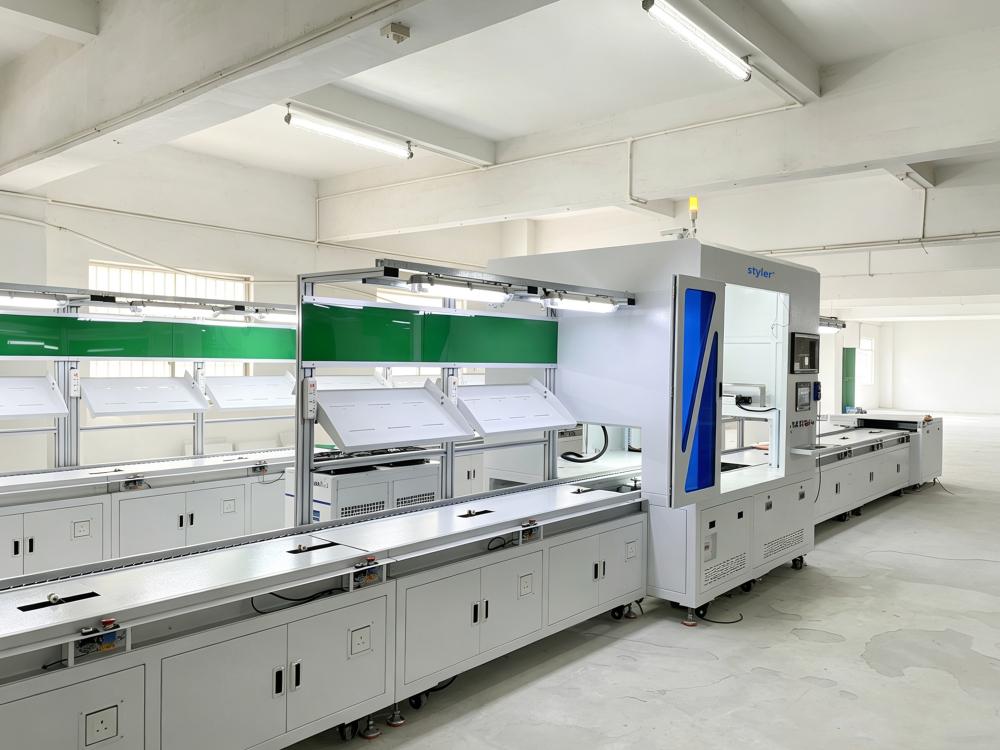
Styler provides tailored engineering consultation, custom fixture design, offline software programming, and comprehensive testing to ensure seamless installation across Belgian industrial hubs. From initial R&D pilot lines to full turnkey assembly line solutions, our machines deliver exceptional reliability and long-term operating efficiency.


