
High-Precision Resistance Spot Welding Systems
Engineered for uncompromising joint integrity, micro-second weld feedback, and optimal energy efficiency for Latin American manufacturing standards.
Uruguay's Industrial Evolution: The Rise of Advanced Resistance Welding
Uruguay is rapidly establishing itself as an innovative industrial hub within the Southern Cone and MERCOSUR. With strategic free trade enclaves such as Zonamerica, Parque de las Ciencias, and dense industrial clusters across Montevideo, Canelones, and San José, the country is transforming its manufacturing baseline. Historically recognized for agriculture and agro-processing, Uruguay is aggressively diversifying into automotive parts manufacturing, electrical distribution component assembly, telecommunication enclosures, and clean technology systems.
In this changing economic framework, traditional transformer-based AC welding equipment is being systematically replaced. Modern Uruguayan manufacturers require resistance spot welders equipped with medium-frequency direct current (MFDC) inverters and precision closed-loop controls to comply with international weld certification standards, minimize electrical peak demand charges, and handle sophisticated alloys including galvanized sheet, stainless steel, and high-conductivity copper busbars.
Strategic Energy Integration
With over 95% of Uruguay's electrical grid powered by renewable sources (wind, hydro, and solar), industrial enterprises prioritize energy efficiency. Inverter DC spot welders offer up to 40% energy conservation compared to legacy single-phase AC machines, fitting seamlessly into the national green manufacturing mandate.
- Balanced 3-Phase Load Distribution (380V/50Hz compatible)
- Millisecond Current Rise Time preventing thermal damage
- Reduced KVA Demand for lower facility operating costs
Key Application Scenarios in Uruguayan Enterprises
Tailored resistance spot welding architectures supporting domestic consumption and export excellence across South America.
EV & Battery Pack Production
Uruguay leads Latin America in the adoption of electric public transportation and electric utility fleets. Local assembly of lithium-ion battery modules (utilizing 18650, 21700, and 32650 formats) demands ultra-low heat dissipation to protect internal separators. Styler's inverter spot welders deliver micro-second dual pulses for zero-spark nickel-to-copper tab joints.
Agritech & Heavy Implement Fabrication
The core agricultural machinery sector in Paysandú, Soriano, and Colonia demands high-shear structural spot welding and projection welding. From reinforced cab assemblies and fuel tank baffles to grain handling conveyors, our heavy-duty spot welders provide repeatable weld nugget formation with full monitoring of electrode displacement.
Electrical Enclosures & Infrastructure
Urban growth in Montevideo and logistics infrastructure upgrades along the Uruguay River corridor require extensive sheet metal fabrication. Our platform spot welders allow deep-throat access for switchgear cabinets, telecommunication racks, ventilation ducts, and fire-resistant metal doors with zero surface mark-through.
Why Precision Spot Welding Technology Matters for Uruguay
An analytical perspective on precision welding parameters, quality assurance, and automated repeatability.
Constant Current & Power Control
Fluctuations in local grid lines or subtle variations in sheet thickness can cause catastrophic cold welds or molten expulsion. Styler welders employ real-time dynamic resistance tracking, adjusting secondary current at 1kHz to 4kHz frequencies to maintain consistent metallurgical bonding.
Servo-Driven Welding Heads
Replacing pneumatic cylinders with programmable servo-controlled actuators guarantees exact electrode contact pressure before firing. This eliminates pre-weld impact deformation on delicate nickel tabs and ensures stable thermal conduction during the squeeze, weld, and hold intervals.
Industry 4.0 Traceability
Uruguayan manufacturers exporting to the EU or North America face stringent quality audits. Our digital controllers log weld time, current, energy, and electrode displacement for every cycle, transferring data through Ethernet/Modbus directly to enterprise MES platforms.
About Us
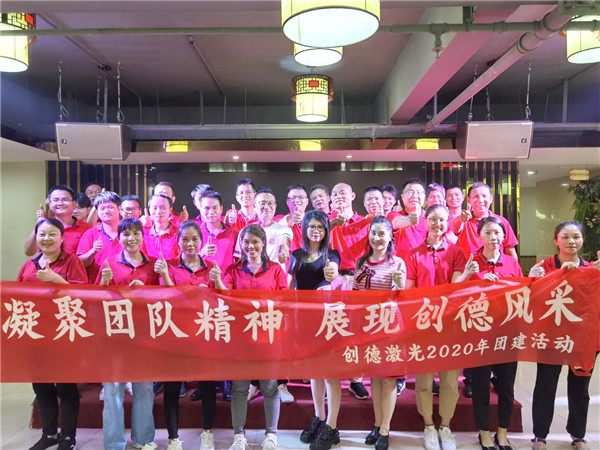
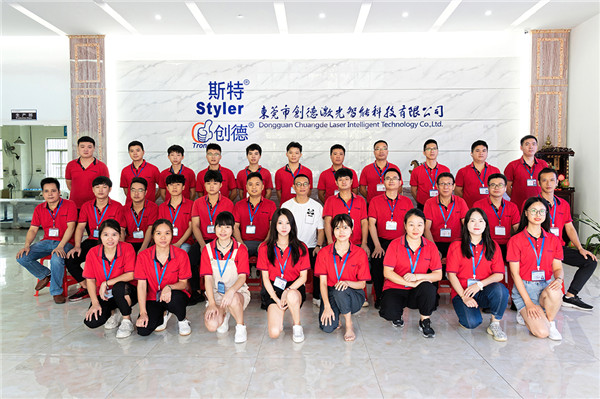
Styler is a professional manufacturer aims to provide high quality and trustful welding machine to the customer. Our company has unique understanding and innovative idea in the field of resistance welding and laser applications, and the welding technology has reached to the international level through continuously investing in the technical research and development. We also cooperate with education institutes on the technology development to enhance our machine’s performance and application area. Customer Centric is our core value. Besides of providing personalized high performance and durable machines to the customer, we value the hospitality the most, as we wish customers to have a pleasant purchase experience with us for each visit. Therefore, we have been providing ongoing training internally to provide excellent customer service to our customer. We believe the customer-oriented direction is the key to success, and it has been successfully helping us to develop a strong reputation in the industry, allowing us to retain customers and attracting new customers to start the business with us.
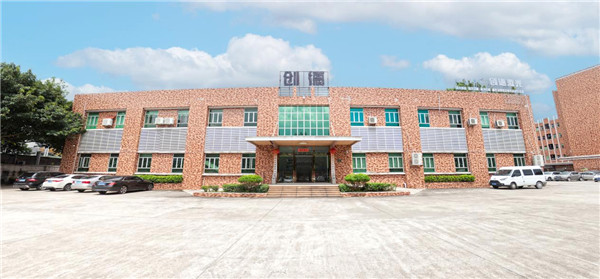
Company Vision
To provide a cutting-edge welding machine in a reasonable price to the customer has been the long-term goal for Styler, and thus, we will continually be developing innovative, stable, and budgeting machine to the customer around the world.
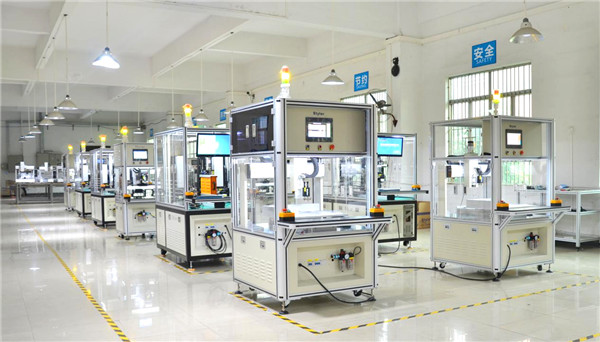
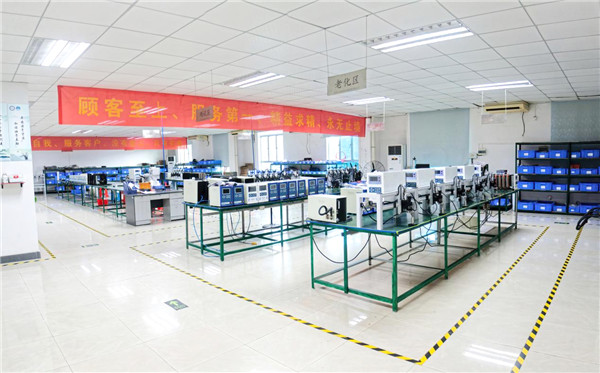

Corporate Social Responsibility
Giving back to the society is important as we are not able to go this far without the community’s support. Therefore, Styler has been actively participating in the charity works and government events each year, to improve the local municipal service and facility.
Employee Development
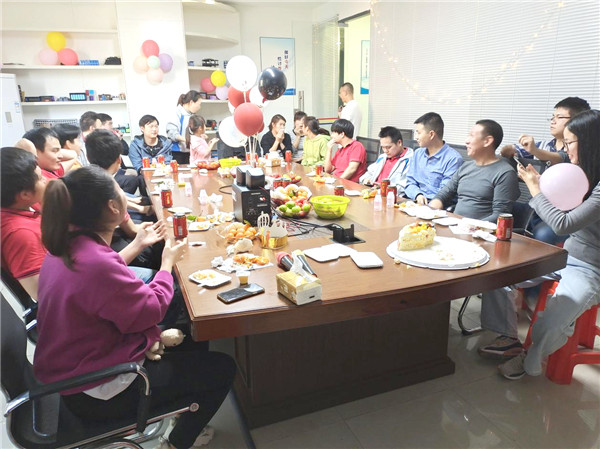
Despite all the growth that has occurred over the years, we remain extremely employee centric. Our management team works tirelessly to ensure each Styler Welding employee feels fulfilled from work and life. As work-life balanced living style is proved that it would increase employee’s performance at work, and consequently, providing better service and product to the customer.
Procurement Considerations for Resistance Welders in Uruguay
Essential engineering criteria for plant managers, robotics integrators, and procurement teams in the MERCOSUR trading zone.
1. Electrical Grid Compliance (220V/380V 50Hz)
Uruguay operates on a 230V single-phase / 400V (or 380V) three-phase 50Hz electrical supply. Choosing equipment designed specifically with wide-tolerance three-phase inverters avoids transformer hum, phase imbalance penalties from UTE (Administración Nacional de Usinas y Trasmisiones Eléctricas), and unstable welding currents caused by peak grid demands.
2. Material Compatibility Matrix
From nickel tab-to-steel casing welds in battery assemblies to thick structural steel plates in farm machinery, weld resistance differs drastically. Inverter DC welders allow multi-stage schedules (squeeze, pre-heat, weld, post-heat, temper), ensuring clean metallurgical consolidation without burning pure copper busbars or blowing through thin 0.1mm foil.
3. Tooling and Pneumatic Air Quality
Air cylinders require clean, lubricated or non-lubricated dry compressed air (0.4 to 0.6 MPa). Styler welders can be configured with precision pressure regulators and pneumatic chillers that manage thermal accumulation in copper-chromium-zirconium (CuCrZr) electrode tips during high-throughput shift production.
4. Import Logistics & Free Zone Delivery
Shipping machinery into the Port of Montevideo or directly into Free Trade Zones such as Zonamerica or Parque de las Ciencias requires compliant international maritime crating, CE certifications, clear HS tariff classification, and full spare-parts provisioning (electrodes, pneumatic seals, thyristor modules).
Resistance Spot Welding Machines & Automated Production Lines
Explore our complete range of specialized spot welders, automated laser workstations, and turnkey battery pack assembly lines for Uruguayan manufacturing facilities.
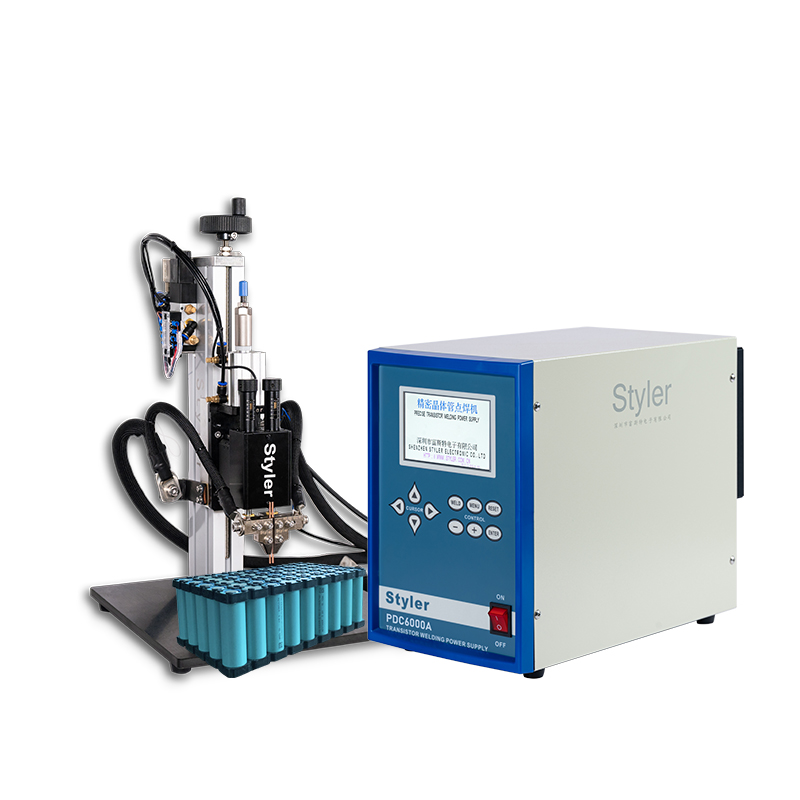
PDC6000A Spot Welding Machine
Ultra High-Current Inverter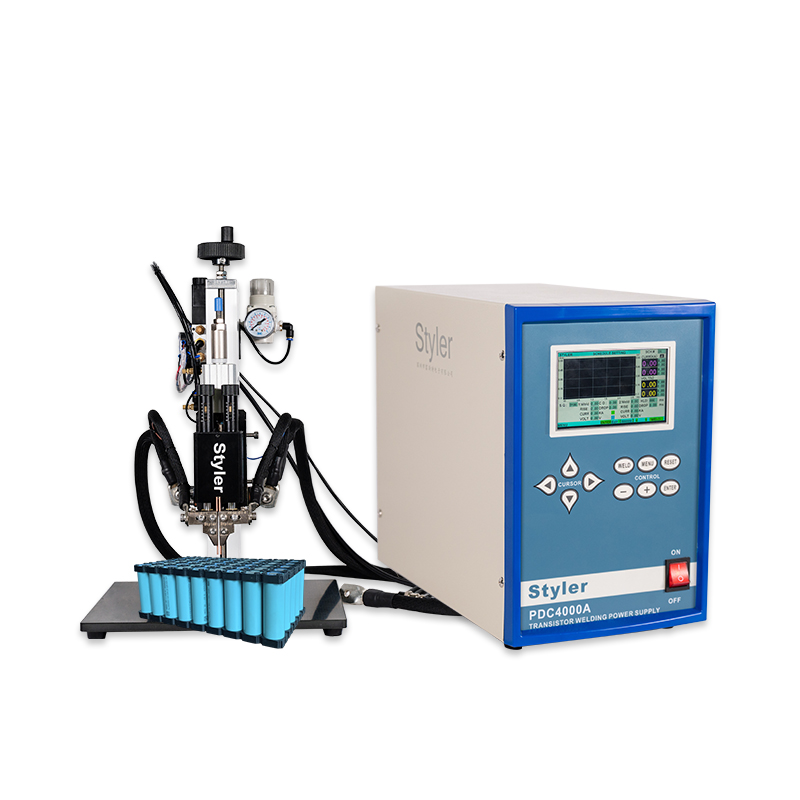
PDC2000A Welding Spot Machine
Precision Laboratory Benchtop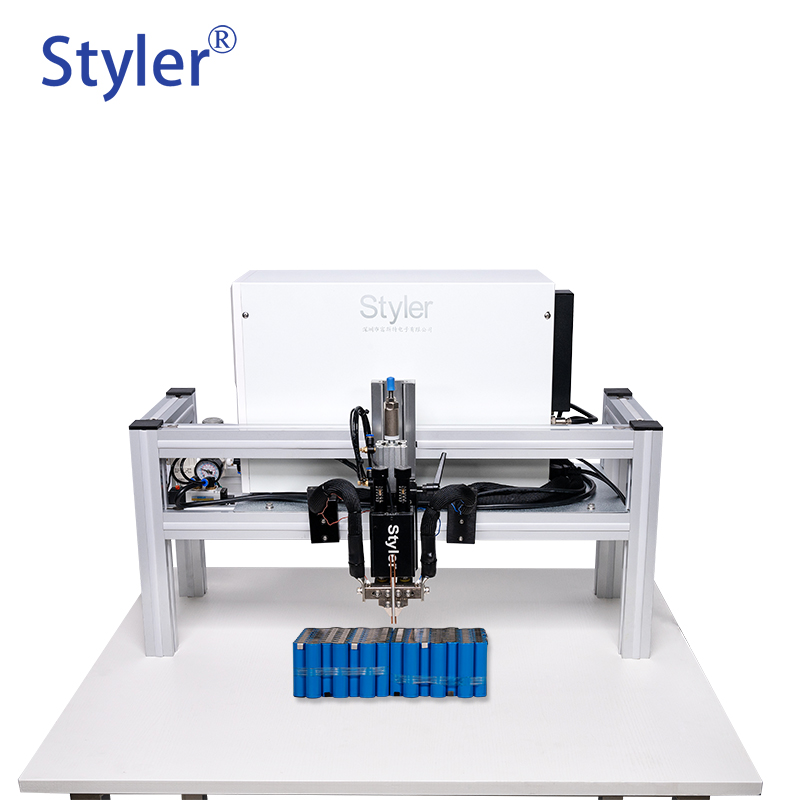
Styler Spot Welding Machine with platform
Sheet Metal Fabrication Workstation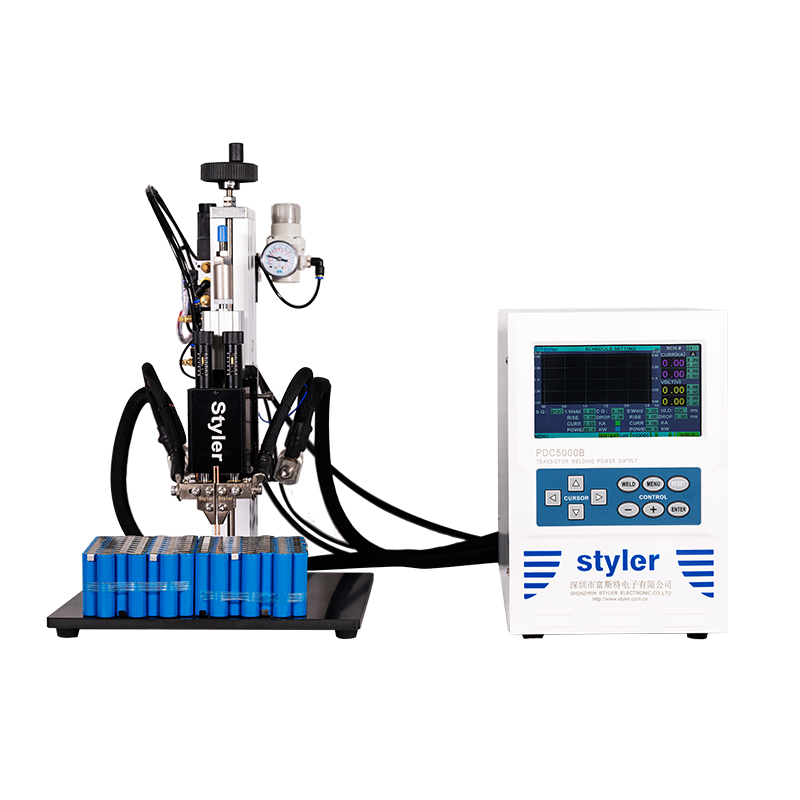
PDC5000B Spot Welder
Heavy Cylindrical Battery Cell Welder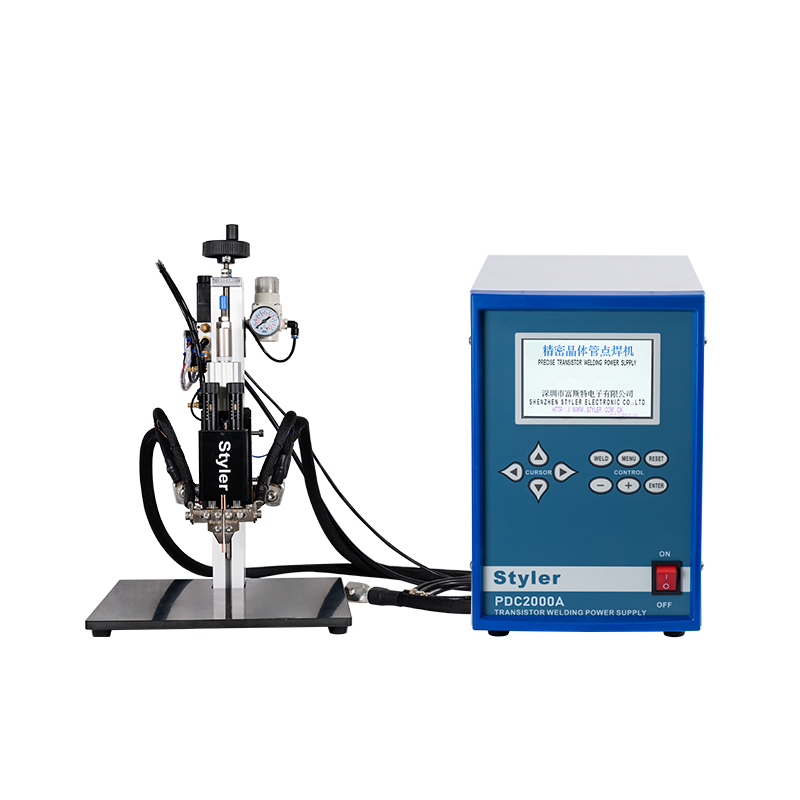
PDC2000A Battery Spot Welder
Custom Battery Tab Welding System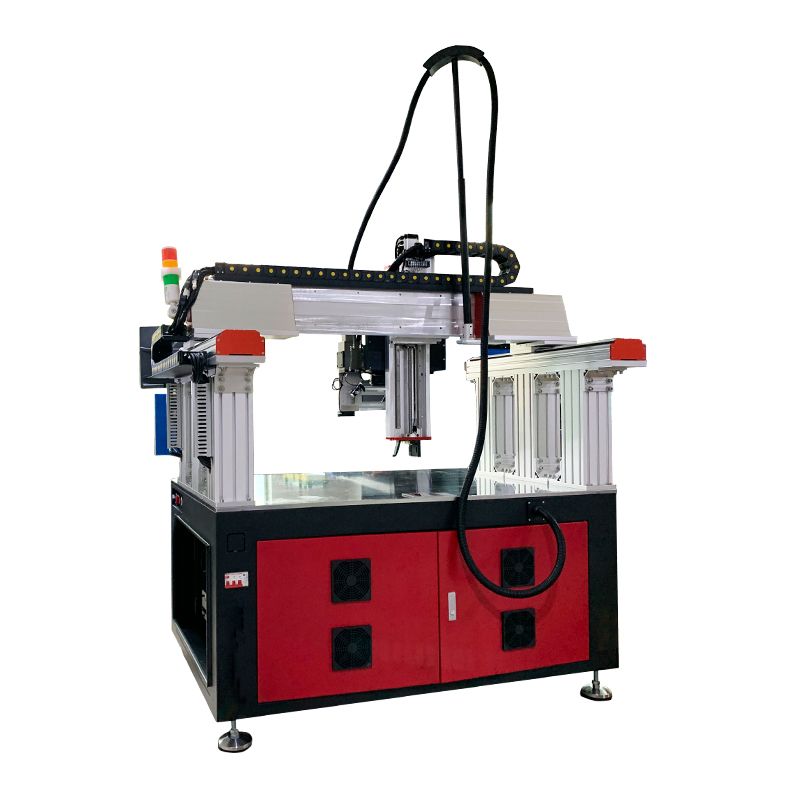
3000w Automatic Fiber Laser Welding Machine
Continuous Fiber Laser Integration
Cylindrical semi-automatic flexible pack assembly line
EV Modular Battery Line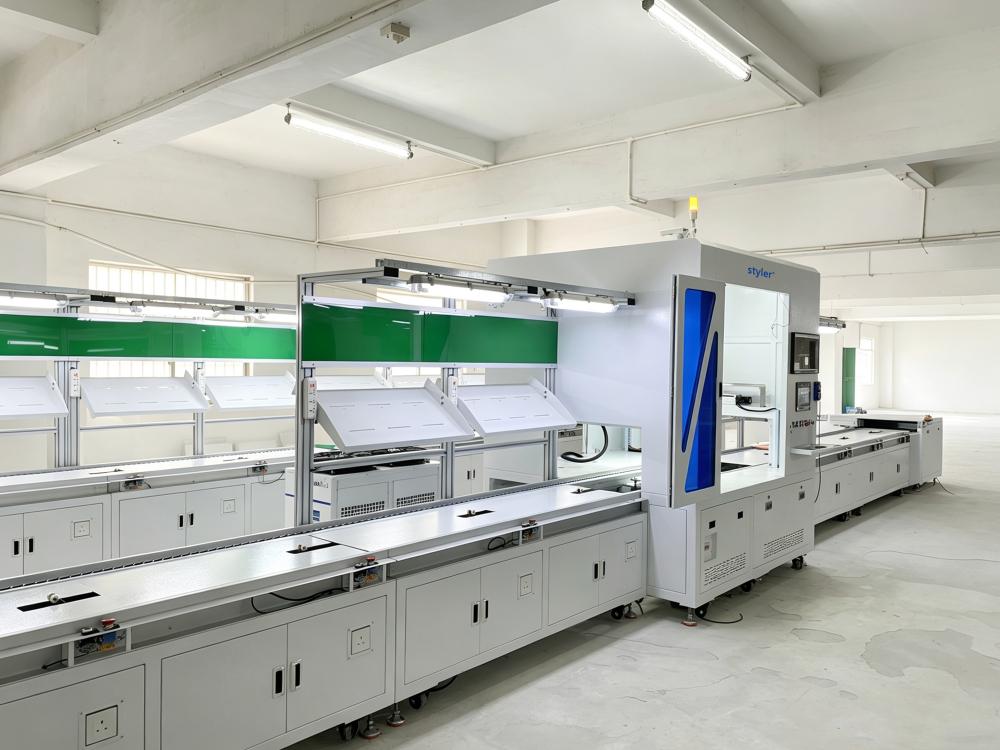
Custom Prismatic Battery Pack Assembly Line Solutions
Large ESS Prismatic AutomationFrequently Asked Questions: Resistance Welding in Uruguay
Clear engineering answers addressing technical specifications, installation, and after-sales support.
Can your spot welders weld pure copper to nickel tabs without burn-through?
Yes. Pure copper has high electrical and thermal conductivity. Our PDC series inverter spot welders utilize dual-pulse energy profiles: Pulse 1 breaks through surface oxides and seats the electrode, while Pulse 2 delivers concentrated micro-second energy to create a solid diffusion joint without melting the battery cap or degrading internal electrolyte.
How do you manage after-sales technical support in Uruguay?
We provide comprehensive remote commissioning through high-resolution video diagnostics, detailed parameter charts, PLC remote diagnostics, and pre-configured wiring diagrams. For turnkey packaging lines, on-site commissioning and operator training are available across Montevideo, Canelones, and interior industrial parks.
Are these systems adaptable to collaborative robots (Cobots)?
Absolutely. Styler spot welding controllers and lightweight servo welding heads feature standard digital I/O, RS485, and industrial bus interfaces capable of seamless integration with industrial robots (such as ABB, KUKA, Fanuc) and UR-style collaborative arms for high-volume automated spot welding cells.
What water chilling capacity is required for continuous operation?
For high-duty cycle applications (exceeding 20 welds per minute on PDC6000A), we recommend an industrial closed-loop water chiller delivering 5 to 10 liters per minute of deionized cooling water at 15°C to 20°C to protect transformers, secondary SCR diodes, and electrode holders from thermal degradation.


