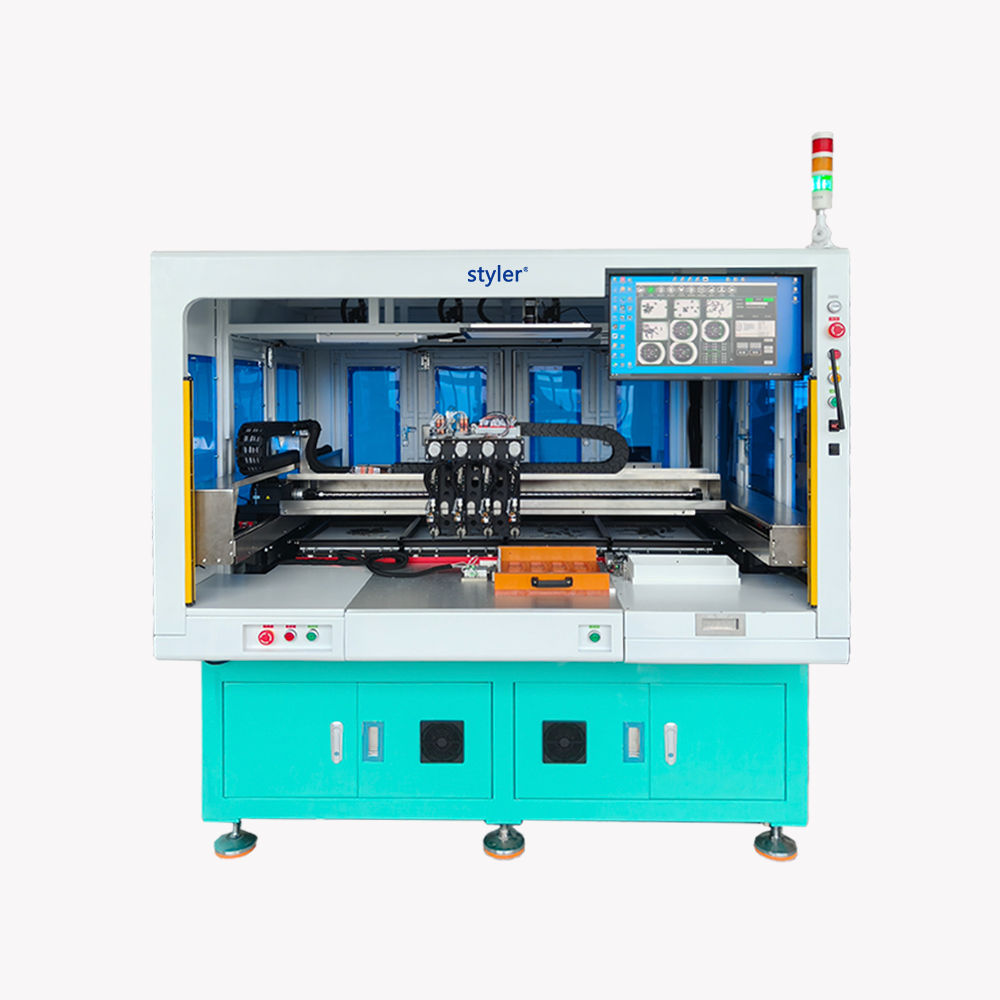
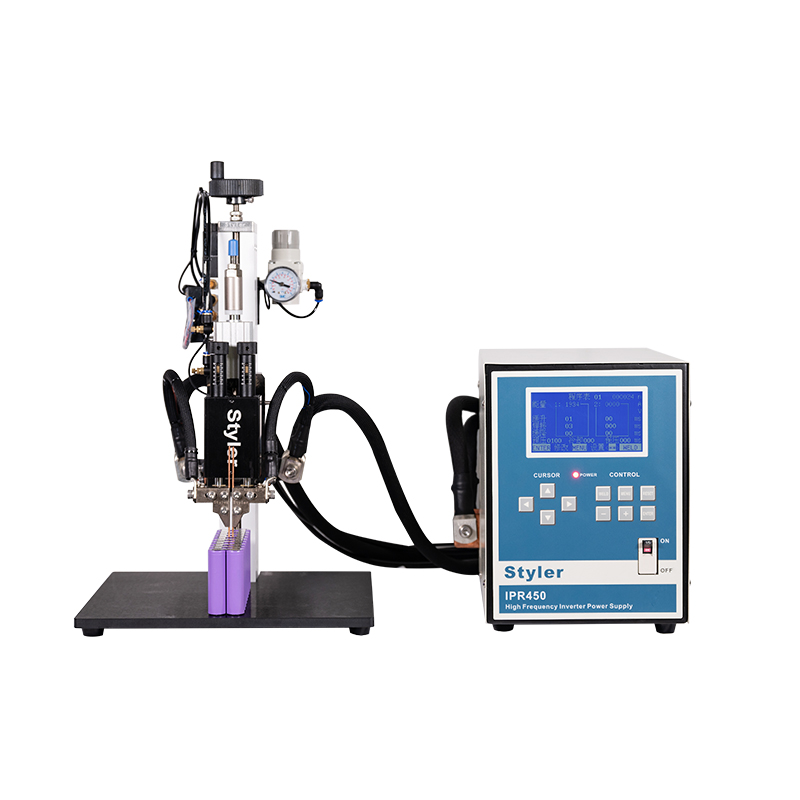
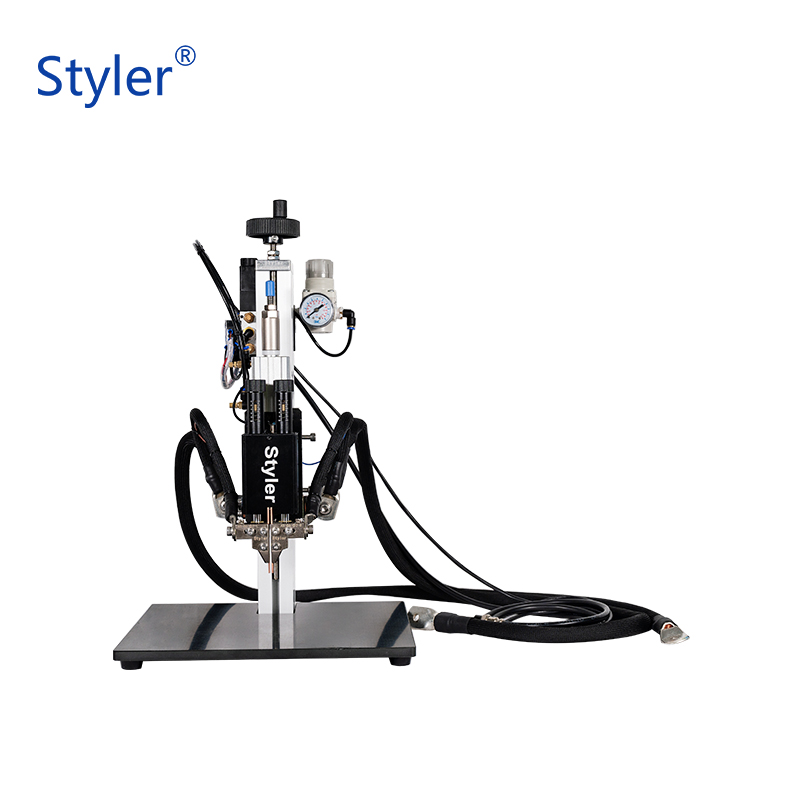
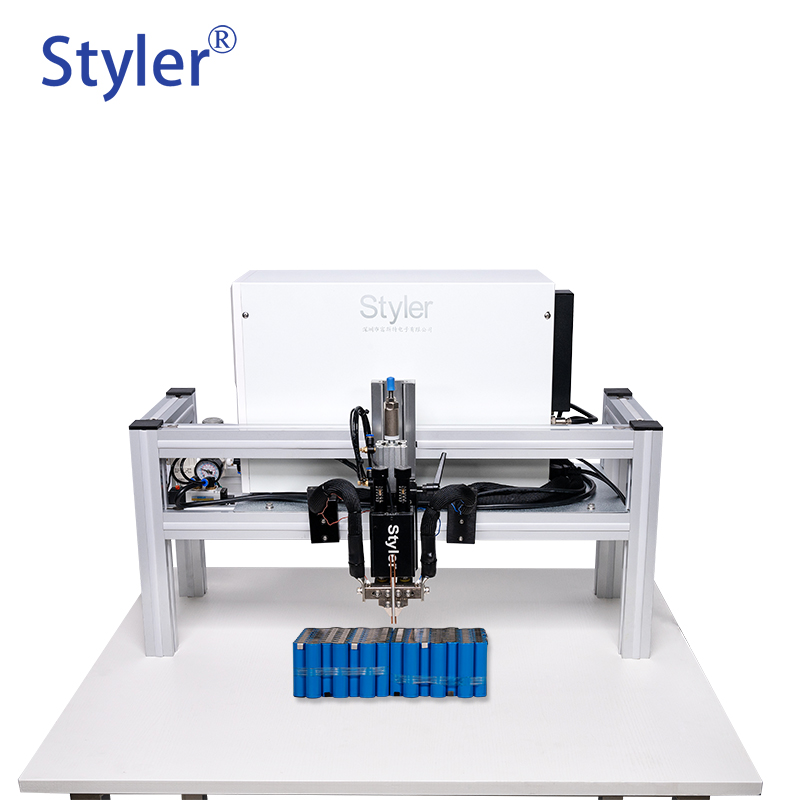
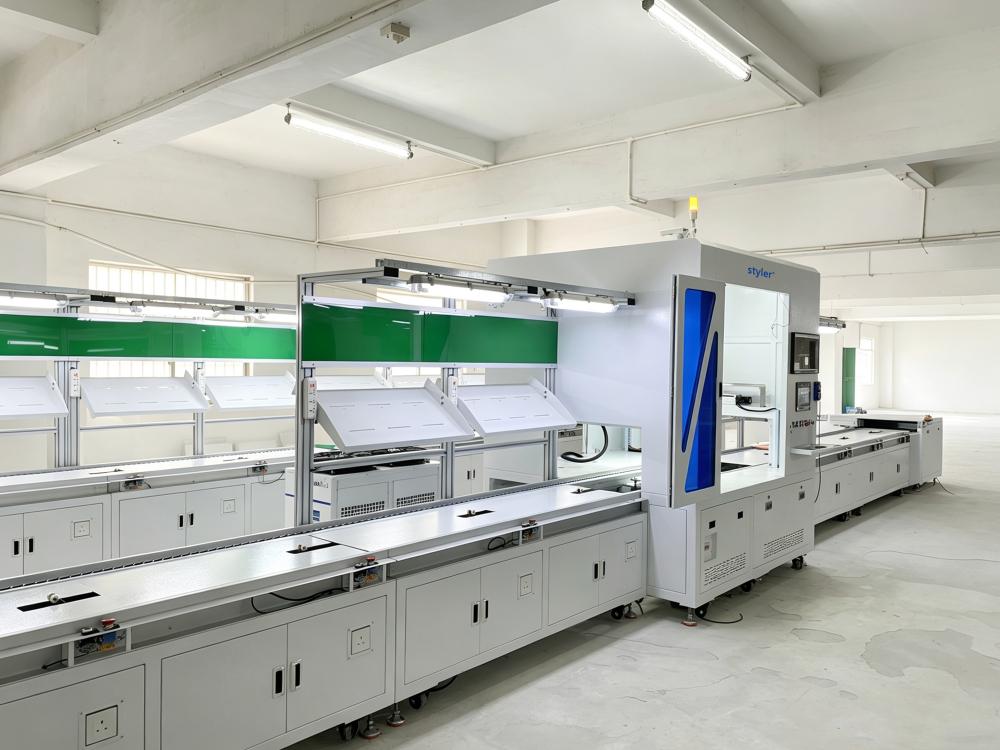
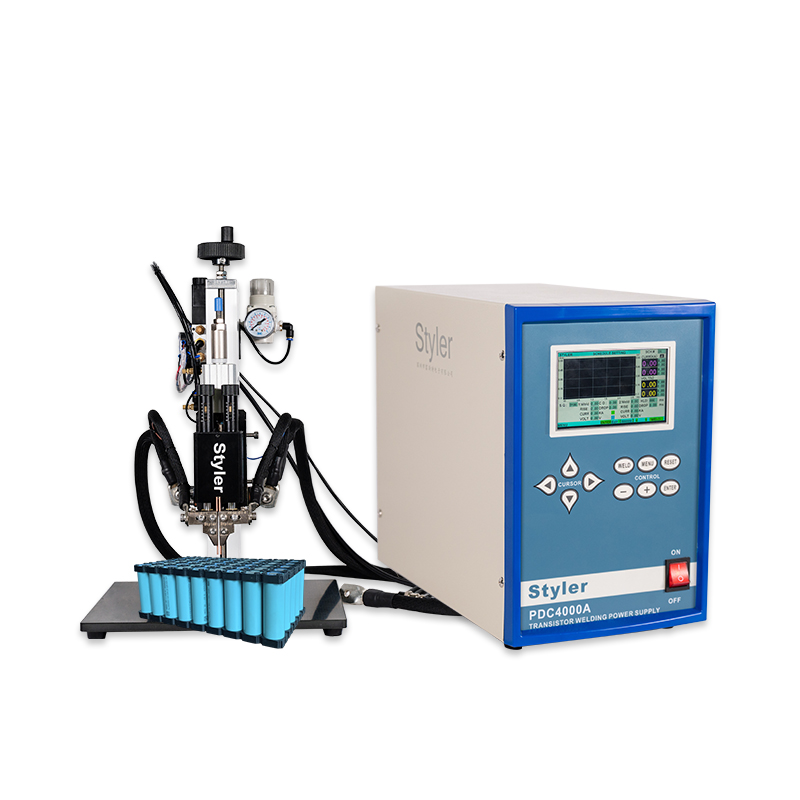
Point Welding Machine For Electric Vehicle Lithium Battery Manufacturing

Next-Generation Micro-Resistance & Inverter Spot Welding Engineering Delivering Precision, Zero-Defect Thermal Control, and Automated Scalability for High-Capacity EV Pack Assemblies.

Industrial Evolution & Modern Manufacturing Paradigm

The global transition toward e-mobility and sustainable energy infrastructure has accelerated the demand for high-reliability energy storage solutions. Within this high-stakes industrial ecosystem, the point welding machine for electric vehicle lithium battery manufacturing serves as an indispensable manufacturing core. From standard cylindrical cell configurations (such as 18650, 21700, and the massive 4680 formats) to specialized pouch and prismatic modules, precision micro-joining defines the mechanical integrity, thermal dissipation, and electrical efficiency of the end-use automotive pack.
âš¡

Inverter Closed-Loop Control

Real-time millisecond dynamic feedback monitoring current, voltage, and displacement to virtually eliminate metal spatter and thermal penetration.

🛠

Multi-Material Versatility

Optimized for low-resistance connections between dissimilar conductive layers, including pure nickel, copper busbars, and aluminum-nickel composites.

📈

Giga-Scale Automation

Full compatibility with Industry 4.0 standards, integrated MES data tracking, automatic feeder interfaces, and multi-axis CNC gantries.

Modern automotive battery architectures demand unprecedented levels of consistency. Variations in contact resistance, thermal expansion mismatch, or uncontrolled weld nuggets can result in elevated internal resistance (IR), localized hot-spots, and accelerated cell degradation. As energy densities scale beyond 300 Wh/kg, spot and point welding technologies have evolved from primitive capacitor-discharge circuits to sophisticated Medium Frequency Direct Current (MFDC) and High-Frequency Inverter platforms capable of sub-millisecond heat delivery.

Engineering Principles & Metallurgy of EV Point Welding

1. Joule Heating Dynamics at the Micro-Interface

Precision resistance spot welding relies on the physical law of Joule heating: \( Q = I^2 R t \). In electric vehicle battery fabrication, the critical challenge lies in managing the contact resistance (\( R \)) between the thin current collector tab (typically 0.15mm–0.3mm nickel or nickel-clad copper) and the battery substrate (nickel-plated cold-rolled steel or aluminum casing) without rupturing the delicate safety vent or puncturing the internal separator. High-frequency inverter point welding machines provide precise current rise slopes, constant current control (CCC), and dual-pulse profiles. The initial conditioning pulse cleanses surface oxides and establishes uniform micro-asperity contact, while the primary welding pulse creates the fused metallurgical nugget.

2. Dissimilar Metal Joining: Overcoming Conductivity Disparities

EV pack design frequently pairs high-conductivity materials (such as pure copper or aluminum) with nickel-plated tabs. The elevated thermal and electrical conductivity of copper causes instantaneous heat dissipation away from the weld interface, posing a severe welding barrier. Modern point welding equipment integrates specialized electrode alloys (such as tungsten, molybdenum, or alumina-dispersion-strengthened copper) combined with micro-gap projection geometries to concentrate the electrical field, preventing electrode sticking and ensuring consistent shear strength exceeding automotive pull-test standards.
Parameter Benchmark Conventional AC Welder Capacitive Discharge High-Frequency Inverter (Modern EV Standard)
Current Response Time Slow (10ms - 20ms) Instantaneous (Uncontrolled decay) Ultra-Fast (0.25ms - 1.0ms closed-loop)
Thermal Impact Zone (HAZ) Broad (Risk of cell thermal damage) Localized but inconsistent Strictly Confined (Zero structural alteration)
Electrode Wear Rate High due to surface sparking Medium to High Extremely Low (Clean dynamic touch)
MES Traceability Unavailable Limited Real-time curve output, IR logging & SPC

3. Advanced Quality Control: In-Line Process Monitoring

Zero-defect manufacturing is non-negotiable for tier-1 automotive suppliers. Point welding machines deployed in EV battery packs are integrated with dynamic displacement transducers, acoustic emission sensors, and real-time resistance curve discriminators. If a sudden voltage drop is detected—indicative of expulsions, interfacial blowouts, or misplaced tabs—the automated system instantly flags the junction, isolates the carrier, and adjusts welding schedules for subsequent operations, safeguarding the entire module integrity.

Industrial Application Scenarios & Pack Architectures

The scope of point welding technology extends across every critical phase of structural energy storage fabrication:
🚗

Cylindrical Cell Micro-Tab Matrix

High-speed micro-spot welding for parallel-series interconnects across 4680, 21700, and 18650 packs with multi-point pneumatic and electromagnetic heads.

🔋

BMS & Voltage Sensing Leads

Precise joining of flexible printed circuits (FPC), thermal sensor wires, and nickel taps onto structural busbars without damaging sensitive insulation.

🚲

Light EV & Commercial ESS Packs

Modular welding platforms tailored for e-scooters, light electric logistics vehicles, industrial AGVs, and containerized grid-scale energy storage racks.

Beyond standard high-volume vehicle platforms, specialized niche applications—such as hypercar high-discharge battery packs, hybrid race systems, and aerospace grade eVTOL battery units—rely strictly on high-frequency resistance point welding due to its precise energy input that prevents battery pouch rupture or micro-crack development in internal cathode foils.

About Styler: Engineering Excellence & Corporate Integrity

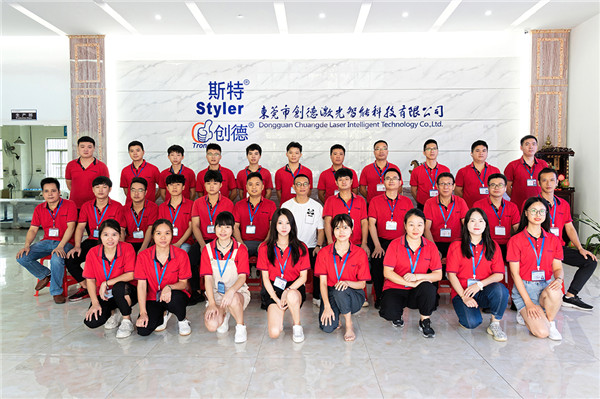
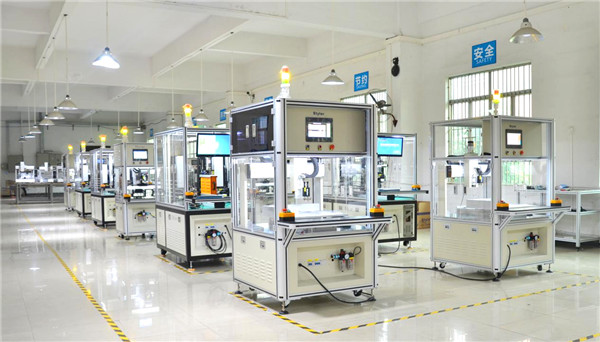
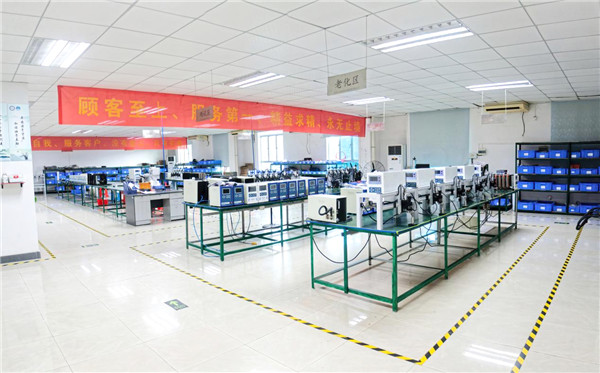
Styler Welding Manufacturing Facility

Styler is a professional manufacturer aims to provide high quality and trustful welding machine to the customer. Our company has unique understanding and innovative idea in the field of resistance welding and laser applications, and the welding technology has reached to the international level through continuously investing in the technical research and development. We also cooperate with education institutes on the technology development to enhance our machine’s performance and application area. Customer Centric is our core value. Besides of providing personalized high performance and durable machines to the customer, we value the hospitality the most, as we wish customers to have a pleasant purchase experience with us for each visit. Therefore, we have been providing ongoing training internally to provide excellent customer service to our customer. We believe the customer-oriented direction is the key to success, and it has been successfully helping us to develop a strong reputation in the industry, allowing us to retain customers and attracting new customers to start the business with us.

Company Vision

To provide a cutting-edge welding machine in a reasonable price to the customer has been the long-term goal for Styler, and thus, we will continually be developing innovative, stable, and budgeting machine to the customer around the world.
Corporate Social Responsibility

Giving back to the society is important as we are not able to go this far without the community’s support. Therefore, Styler has been actively participating in the charity works and government events each year, to improve the local municipal service and facility.

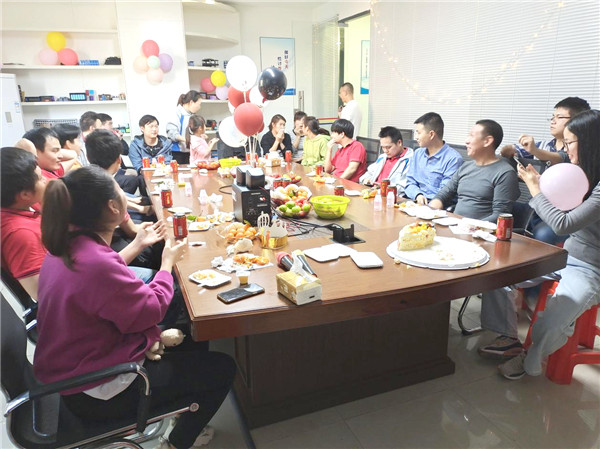
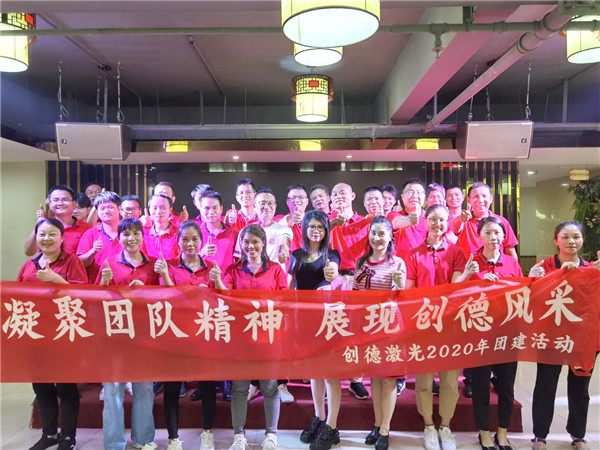
Employee Development

Despite all the growth that has occurred over the years, we remain extremely employee centric. Our management team works tirelessly to ensure each Styler Welding employee feels fulfilled from work and life. As work-life balanced living style is proved that it would increase employee’s performance at work, and consequently, providing better service and product to the customer.
Future Trends: AI-Driven Adaptive Joining in EV Giga-Factories

As the EV automotive landscape progresses toward next-generation battery chemistries—including semi-solid-state and all-solid-state electrolytes—the precision threshold for point welding machines continues to tighten. The integration of edge AI computing with high-speed analog acquisition allows real-time current profile transformation within the welding pulse itself. By analyzing micro-scale dynamic resistance feedback at frequencies exceeding 20kHz, AI-assisted welding controllers autonomously modulate energy delivery to compensate for thermal variances, material thickness tolerances, and oxidation layers.
Furthermore, the industrial demand for hybrid joining heads combining micro-resistance point welding with localized fiber laser pulse pinning is opening new avenues for heavy-duty commercial vehicles, allowing higher current densities across ultra-thick copper busbars. By merging mechanical electrode clamping with localized laser agitation, manufacturers achieve lower internal resistance bonds while eliminating structural fatigue along mechanical tabs.