
Point Welder Solutions For Consumer Electronics Battery Production
Our flagship welding systems designed for high-throughput, precision battery manufacturing in consumer electronics industries.
The Booming Market for High-Speed Battery Point Welding
The global consumer electronics battery market is undergoing unprecedented expansion. With the proliferation of smartphones, wireless earbuds, smartwatches, tablets, and portable power banks, manufacturers face immense pressure to scale up battery production while maintaining strict quality standards.
Point welding — also known as spot welding or resistance spot welding — has become the foundational joining technology in battery pack assembly. It enables rapid, reliable, and repeatable electrical connections between battery cells, nickel strips, and PCB components without introducing heat damage to sensitive chemistries such as lithium-ion and lithium-polymer.
Industry analysts project the global battery manufacturing equipment market to surpass $18 billion USD by 2028, with point welding equipment representing one of the fastest-growing sub-segments, driven by both consumer electronics demand and EV battery crossover technology transfer.

Industry Trends Driving Point Welder Innovation
Discover the key technological and commercial forces reshaping how point welders are designed and deployed for mass battery production.
Full Automation & AI Integration
Modern production floors are transitioning from semi-automatic to fully automated point welding cells. Robotic arms with 6–7 degrees of freedom now position electrodes with sub-millimeter accuracy, while AI vision systems monitor weld quality in real time, eliminating human inspection bottlenecks and dramatically reducing defect rates below 0.01%.
Ultra-Thin Electrode & Micro-Welding
As consumer electronics shrink in form factor, battery cells and their interconnects become thinner. Next-generation point welders now support electrode diameters as small as 0.3mm, enabling reliable welding on ultra-thin nickel foils used in compact wearables, hearing aids, and medical-grade portable devices without compromising tensile strength.
High-Frequency Inverter Power Systems
Traditional AC-based welders are being replaced by high-frequency DC inverter welding systems operating at 1,000–4,000 Hz. This delivers faster energy delivery, tighter pulse control, and 30–40% lower energy consumption — a critical advantage for 24/7 mass production environments targeting carbon neutrality goals.
Hybrid Laser-Resistance Welding
Leading manufacturers are adopting hybrid systems that combine resistance spot welding for tab connections with fiber laser welding for seam and housing sealing. This dual-mode approach maximizes throughput while ensuring hermetic seals required for high-performance lithium cells used in flagship smartphones and professional-grade laptops.
Smart Factory & Industry 4.0 Connectivity
Point welders are now embedded within Industry 4.0 frameworks, communicating weld data, electrode wear metrics, and production KPIs via OPC-UA and MQTT protocols to centralized MES platforms. This enables predictive maintenance cycles, reducing unplanned downtime by up to 65% in high-volume production scenarios.
Green Manufacturing & Energy Efficiency
Environmental compliance is pushing manufacturers toward energy-recuperation welding systems. Advanced servo-driven electrode actuators recover kinetic energy during press retraction, feeding it back into the power bus. Combined with process optimization algorithms, modern point welders achieve weld cycle times under 8ms with minimal thermal waste.
Deep-Dive: Application Scenarios for Consumer Electronics Battery Point Welding
From smartphone cells to multi-cell laptop packs, point welders are deployed across a diverse range of critical battery manufacturing processes.
Smartphone & Tablet Battery Pack Assembly
Slim lithium-polymer batteries used in flagship smartphones require precise spot welding of protection circuit modules (PCM) and nickel tabs to aluminum pouch cells. Point welders in this application must deliver energy with microsecond precision to avoid thermal damage to the polymer separator, with cycle speeds exceeding 60 weld points per minute to match modern SMT production line throughputs.
Laptop & Portable Power Station Battery Modules
Multi-cell cylindrical battery packs (18650/21700) for laptops and portable power stations demand robust spot-welded nickel strip interconnects that maintain low contact resistance under repeated charge cycles. Automated welding jigs position each cell with ±0.05mm tolerance, ensuring uniform current distribution across series-parallel configurations of up to 48 cells per module.
Wearables & IoT Device Batteries
Smartwatches, fitness bands, wireless earphones, and IoT sensors use custom-shaped lithium cells that require micro-scale spot welding with electrode contact areas as small as 0.5mm². Dedicated micro-welding heads with force-controlled pneumatic actuators enable consistent weld nugget formation on foils as thin as 0.08mm, achieving production yields above 99.95% at scale.
Power Tool & High-Drain Battery Assembly
Cordless power tools demand battery packs capable of delivering sustained 20A+ discharge currents. Point welding of thick-gauge nickel-copper composite strips requires precisely calibrated multi-pulse welding sequences to achieve fusion zones with pull-out forces exceeding 80N. Advanced welding controllers with real-time resistance monitoring auto-adjust parameters to compensate for material batch variations.
Medical Device & Implantable Battery Welding
Medical-grade hearing aids, insulin pumps, and portable diagnostic equipment require batteries assembled under strict cleanroom protocols. Point welders used in these applications are engineered with sealed electrode assemblies and inert gas purging capabilities to prevent oxidation, while comprehensive weld data logging ensures full traceability required by FDA and CE regulatory frameworks.
Drone & UAV Battery Pack Production
Commercial drones and UAVs rely on lightweight, high-energy-density lithium battery packs with extremely low internal resistance. Welding systems for this segment must achieve weld-to-weld resistance variation below ±0.5mΩ across all cell interconnects, directly impacting flight endurance and thermal safety. Automated optical inspection integrated post-welding ensures zero-defect delivery to drone OEMs.
Why High-Speed Point Welders Are Critical for Modern Battery Manufacturing
Micron-Level Precision
CCD vision positioning and servo-controlled electrodes ensure every weld meets exacting dimensional tolerances required for miniaturized battery architectures.
High-Speed Throughput
Multi-headed welding systems and optimized motion profiles enable output rates of thousands of battery cells per hour, matching the demands of Tier-1 electronics OEM supply chains.
Zero-Defect Quality Control
Integrated real-time resistance monitoring, infrared thermal imaging, and automated pull-test sampling ensure outgoing quality rates exceeding 99.98% — critical for brand-sensitive consumer electronics.
Flexible Multi-Product Adaptability
Modular tooling designs and digital parameter recall allow rapid changeovers between different battery formats, enabling manufacturers to run mixed-model production lines with minimal downtime.
About Styler Welding
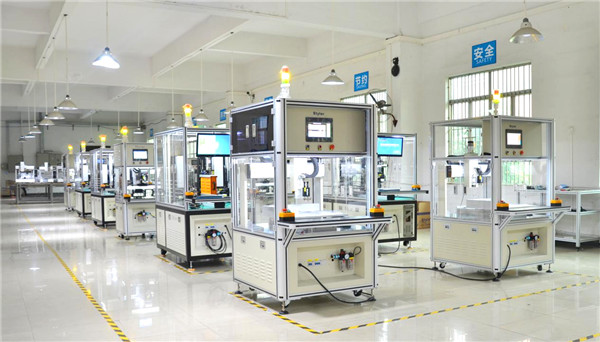
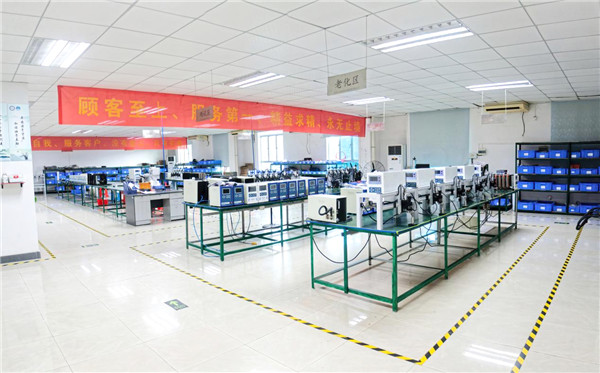
Styler is a professional manufacturer aimed at providing high quality and trustworthy welding machines to customers worldwide. Our company has a unique understanding and innovative approach in the field of resistance welding and laser applications. Through continuously investing in technical research and development, our welding technology has reached the international forefront.
We actively collaborate with leading educational institutes to accelerate technology development, enhancing our machines' performance and broadening application areas — from consumer electronics battery assembly to advanced energy storage and medical device manufacturing.
Customer Centric is our core value. Beyond delivering high-performance, durable machines, we place immense value on the purchase experience. Ongoing internal training programs ensure every interaction with Styler reflects the excellence built into our point welders and battery production systems.
Company Vision
To provide cutting-edge welding machines at a reasonable price has been Styler's long-term goal. We continually develop innovative, stable, and cost-efficient machines for customers around the world, enabling them to compete at the highest levels of consumer electronics manufacturing.
Corporate Social Responsibility
Giving back to society is important as we cannot go this far without community support. Styler actively participates in charity work and government events each year, working to improve local municipal services and facilities while upholding sustainable manufacturing practices.
Employee Development
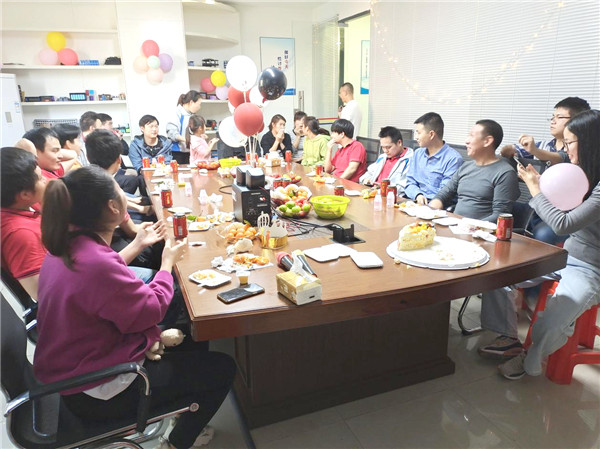
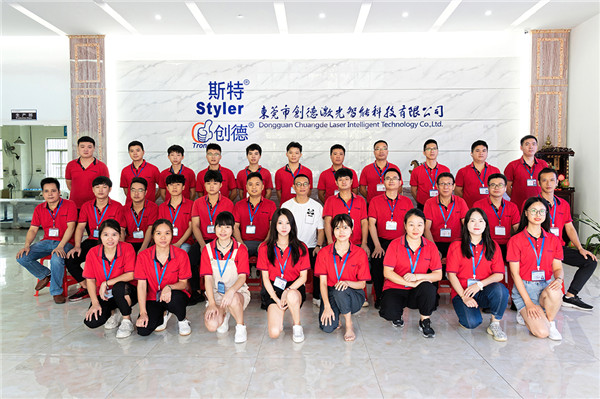
Despite all the growth that has occurred over the years, we remain extremely employee-centric. Our management team works tirelessly to ensure each Styler Welding employee feels fulfilled in work and life, as work-life balance directly enhances performance and the quality of service delivered to our customers.


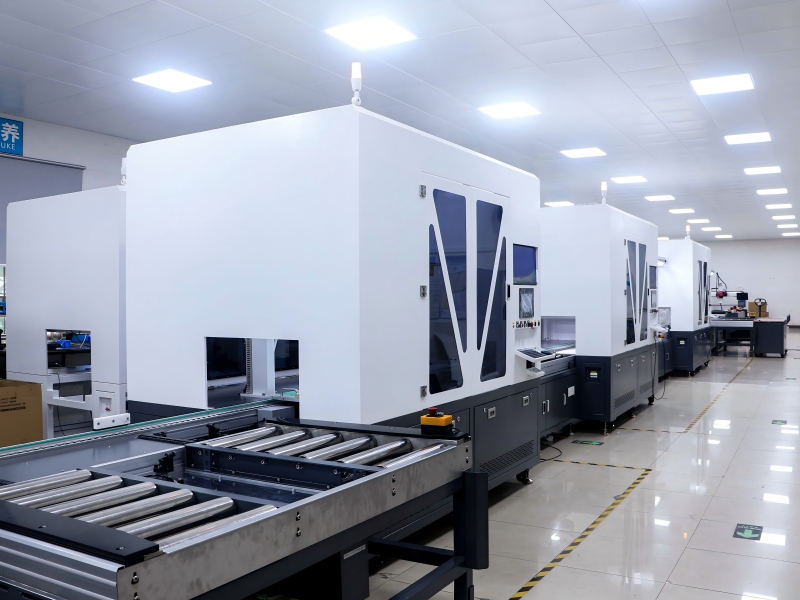
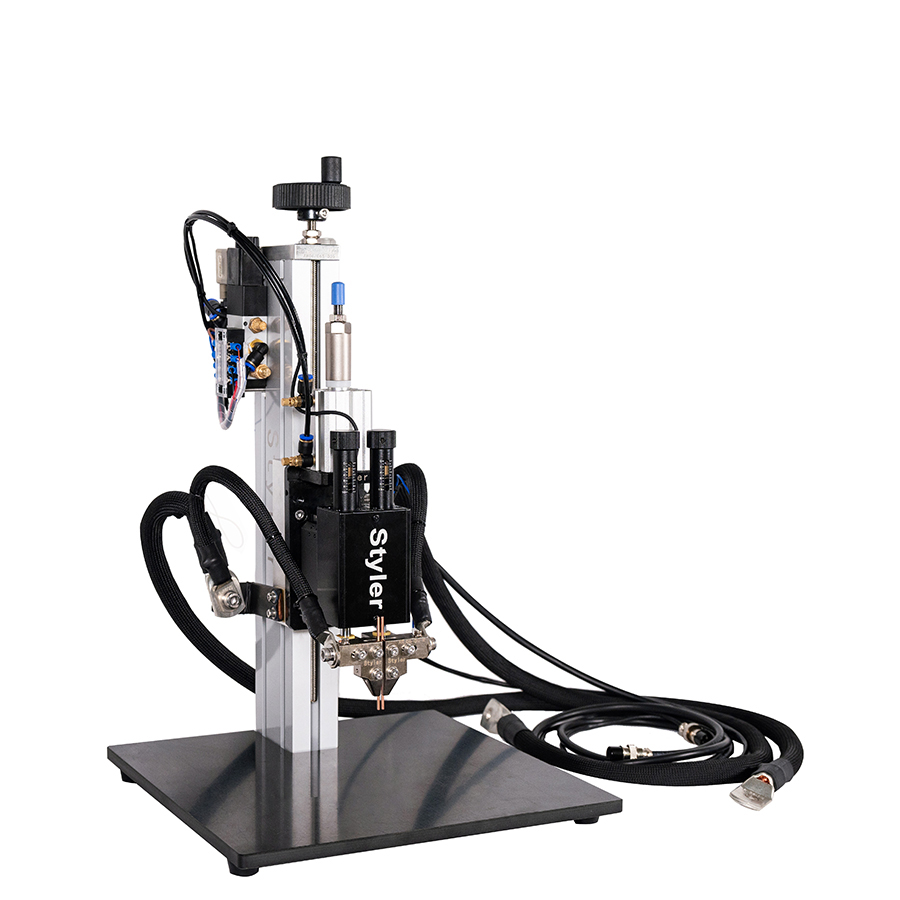
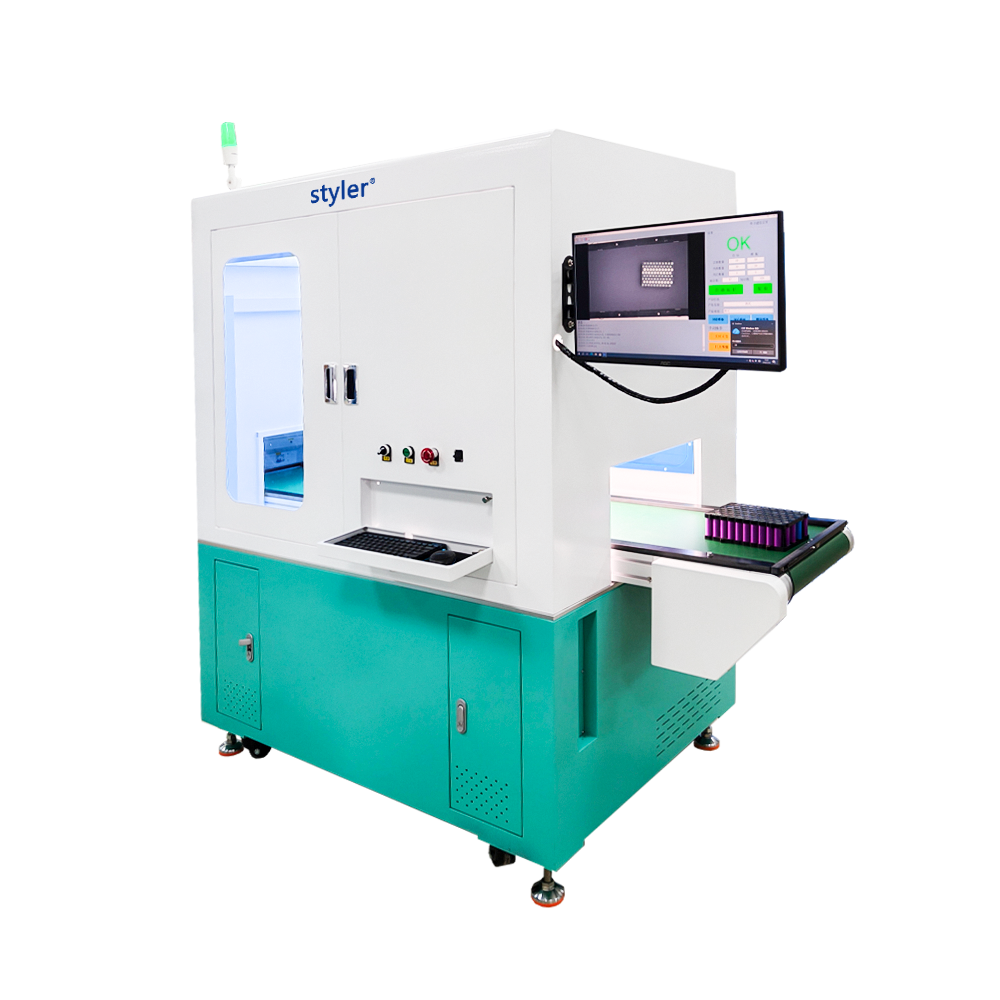
Complete Range of Battery Welding & Production Systems
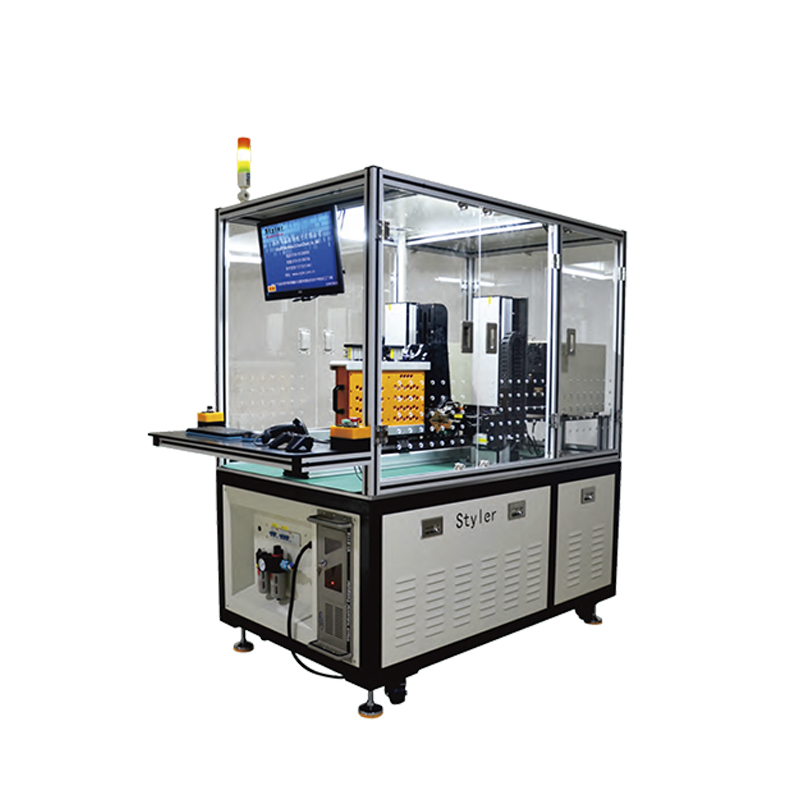
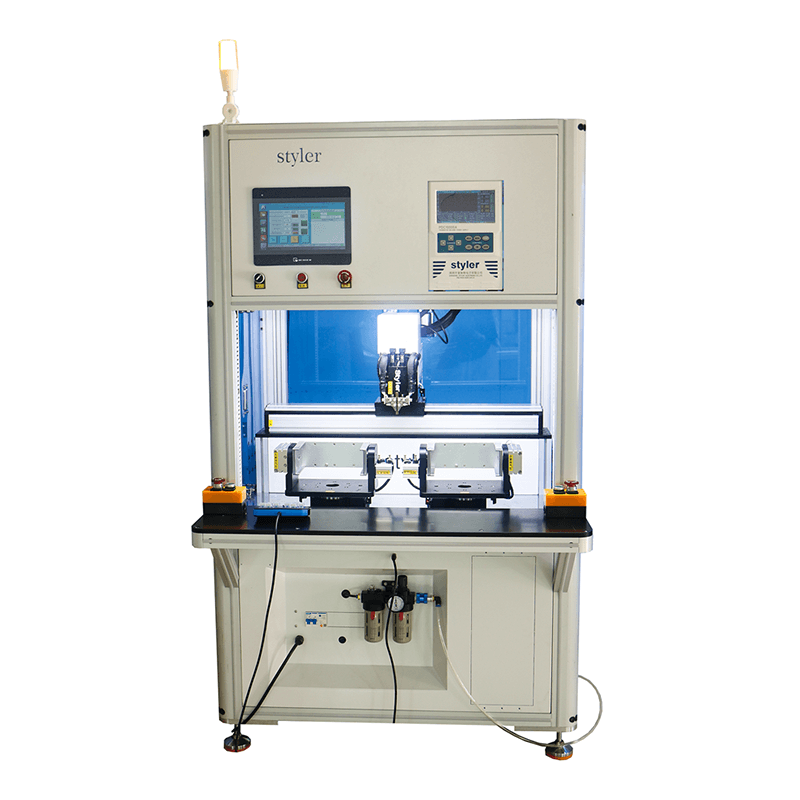
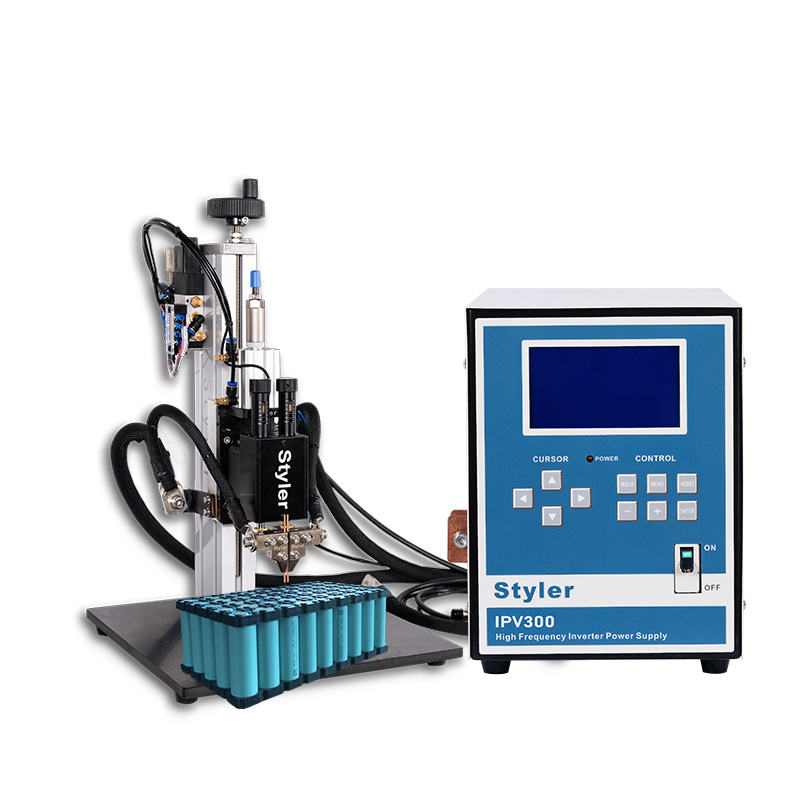
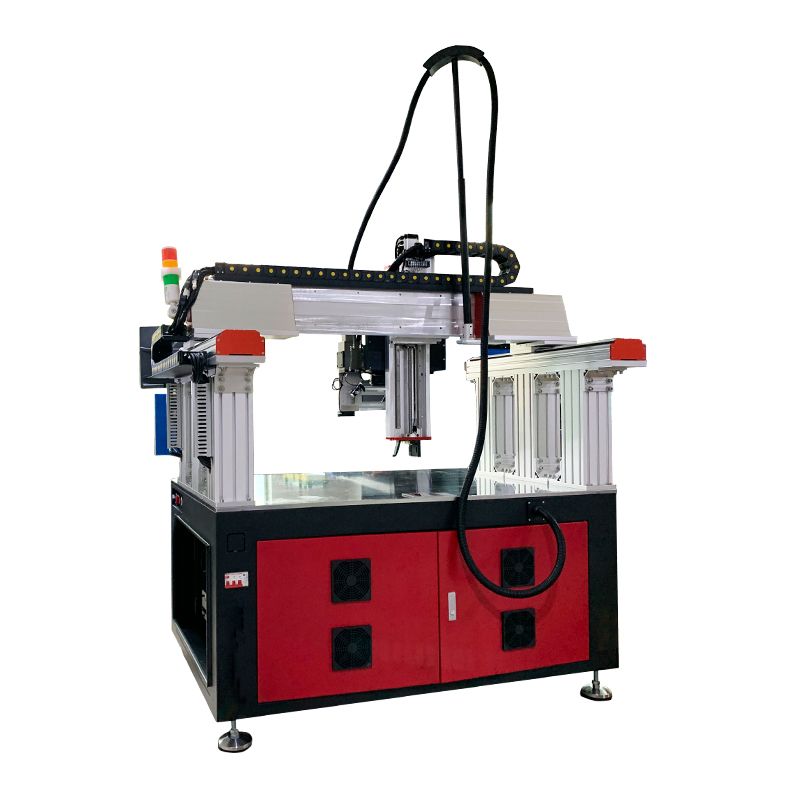
Explore our full lineup of advanced point welders, laser welding machines, and automated assembly lines engineered for high-speed consumer electronics battery mass production.
Ready to Scale Your Battery Production with Precision Point Welding?
Partner with Styler Welding to access industry-leading point welders, automation systems, and expert engineering support tailored to your consumer electronics battery manufacturing requirements.
Get a Custom Solution →


