Featured Joining Systems For EV Applications
Industrial Dynamics & The EV Battery Landscape
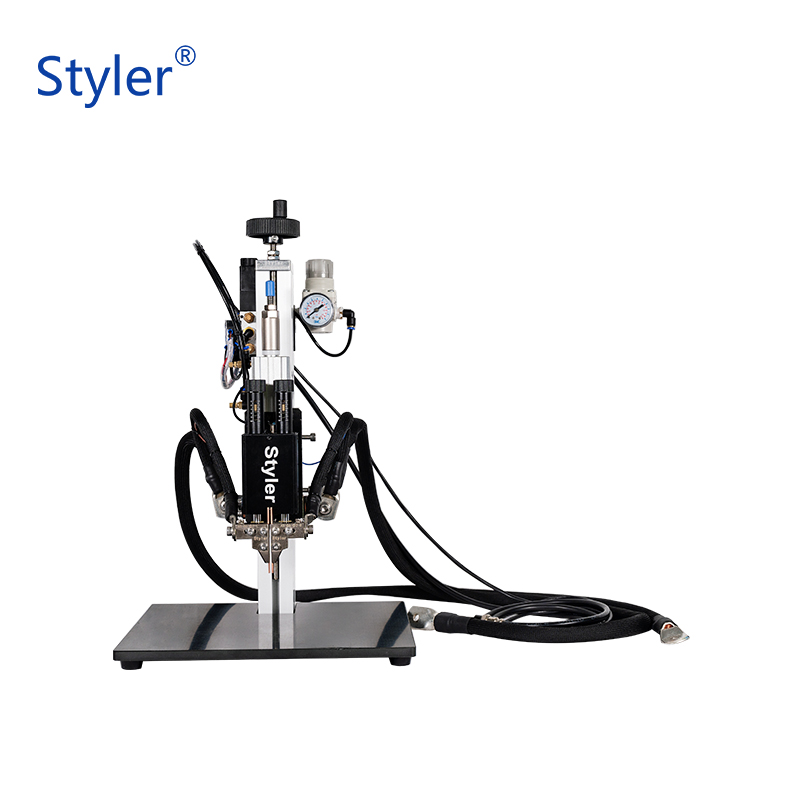
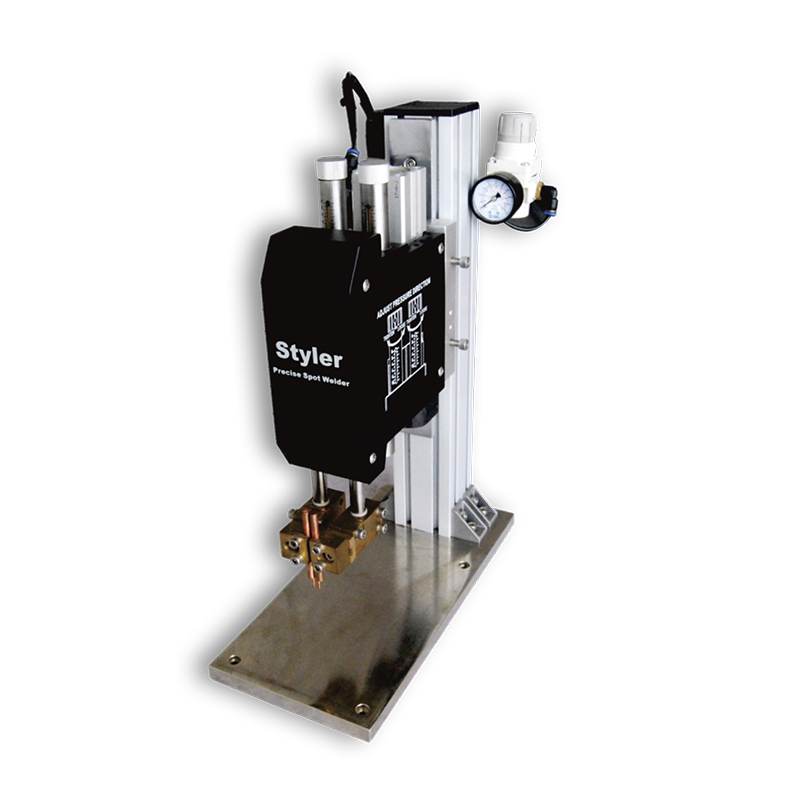
The automotive world is undergoing a seismic architectural transition toward complete e-mobility, demanding exceptional standards in battery module and pack manufacturing. Electric vehicle (EV) battery modules, operating under severe electrical loads, thermal stress, and multi-axis mechanical vibrations, require joint connections that exhibit near-zero electrical resistance and relentless structural durability. In this mission-critical environment, point welders—encompassing advanced micro-resistance spot welders, high-precision inverter welders, and hybrid laser-assisted units—act as the cornerstone of assembly integrity.
As global gigafactories race to scale throughput to terawatt-hour tiers, joining processes face strict production tolerances. A modern EV battery module houses hundreds to thousands of individual cylindrical (such as 21700, 46800 formats), prismatic, or pouch cells interconnected via intricate nickel, copper, or composite busbar topologies. A micro-ohm variation or an uncontrolled heat-affected zone (HAZ) in a single joint can yield thermal runaway hazards, premature capacity degradation, or premature localized fatigue. Precision resistance point welding systems have transformed into smart, closed-loop cyber-physical nodes capable of microsecond energy regulation and dynamic mechanical force adaptation.
Modern factory requirements enforce bidirectional data logging and in-situ electrical verification across all production stations. Spot and point welding machines for high-reliability EV battery modules have moved well past baseline open-loop pulse discharge; they now serve as digitized metallurgical instruments providing precise energy envelope control, continuous dynamic resistance monitoring, and synchronized electrode force profiling at rates exceeding 4 kHz.
Technological Innovations in High-Reliability EV Point Welding
High-Frequency Inverter Modulation
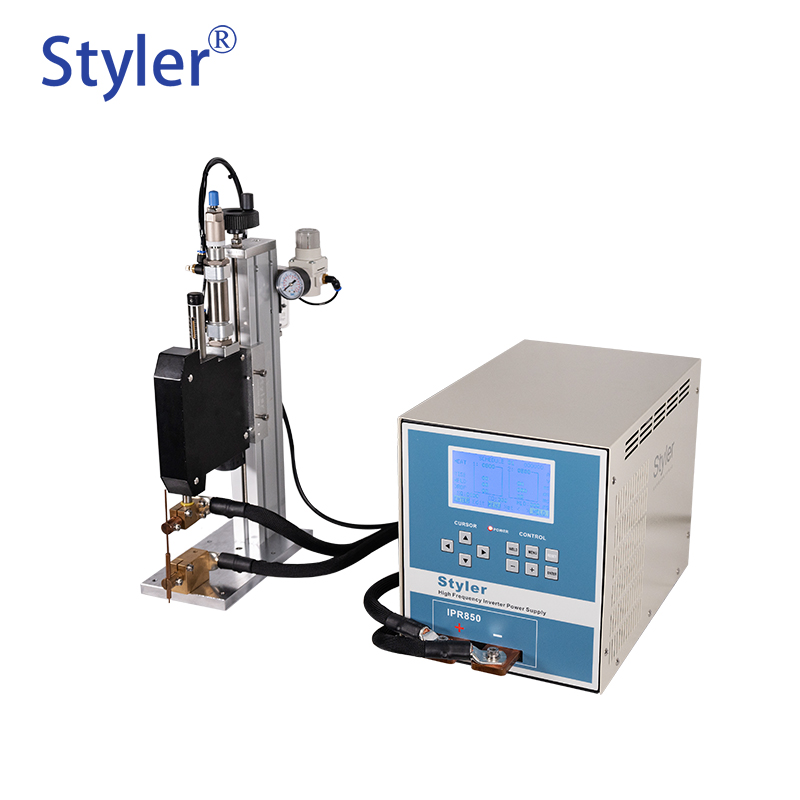
Modern point welders utilize advanced inverter control (ranging from 1 kHz to 20 kHz) to generate clean DC outputs. This eliminates alternating polarity zero-crossings, drastically cutting peak thermal spikes and restricting current overshoot, safeguarding sensitive battery caps and thin internal cell separators from burn-through.
Closed-Loop Dynamic Follow-Up
Electrode displacement and force application must dynamically adapt throughout the weld nugget formation stage. Low-inertia micro-displacement welding heads continuously prevent arc spatter and maintain mechanical contact pressure throughout metallurgical phase changes.
AI Integrated Quality Assurance
Coupled with CCD vision inspection and neural signature tracking of voltage, current, and displacement curves, assembly systems systematically detect anomalies such as missing projection nubs, electrode wear, or interfacial oxide films prior to cell discharge cycles.
In-Depth Application Scenarios Across EV Subsystems
Cylindrical Cell Matrix Tab Interconnection
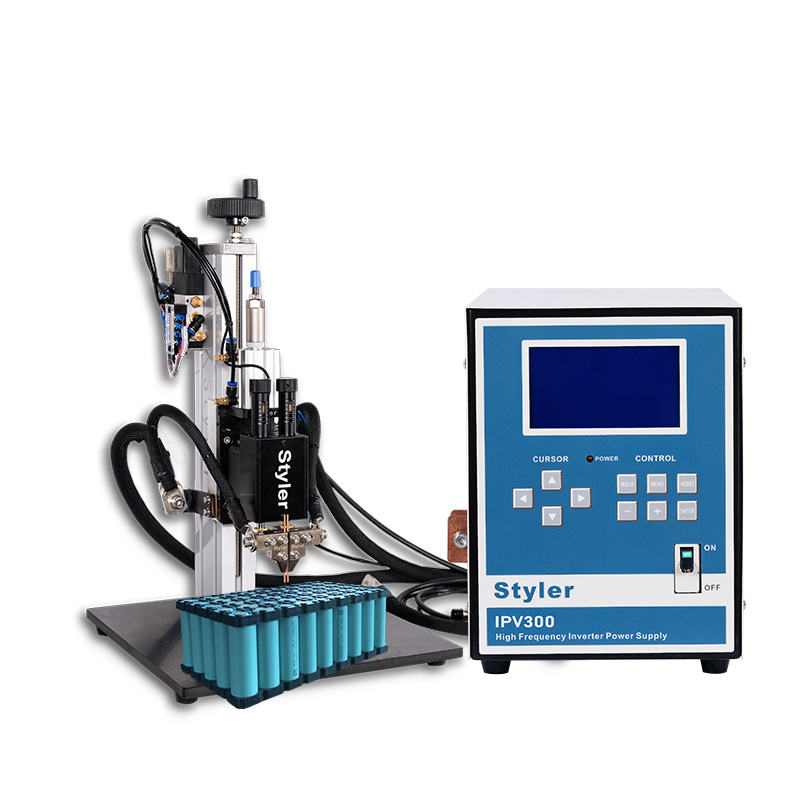
High-density performance electric vehicles leverage massive cylindrical cell arrays (21700 and 4680 structural variants). Point welders are engineered to fasten complex copper-nickel or pure nickel collector tabs directly to thin can bottoms and current interrupt devices (CID). Because the active cathode and anode materials sit mere microns under the substrate, precision resistance spot welders balance energy discharge to fuse the junction without penetrating the safety boundary.
Prismatic Cell Module Busbars & BMS Connections
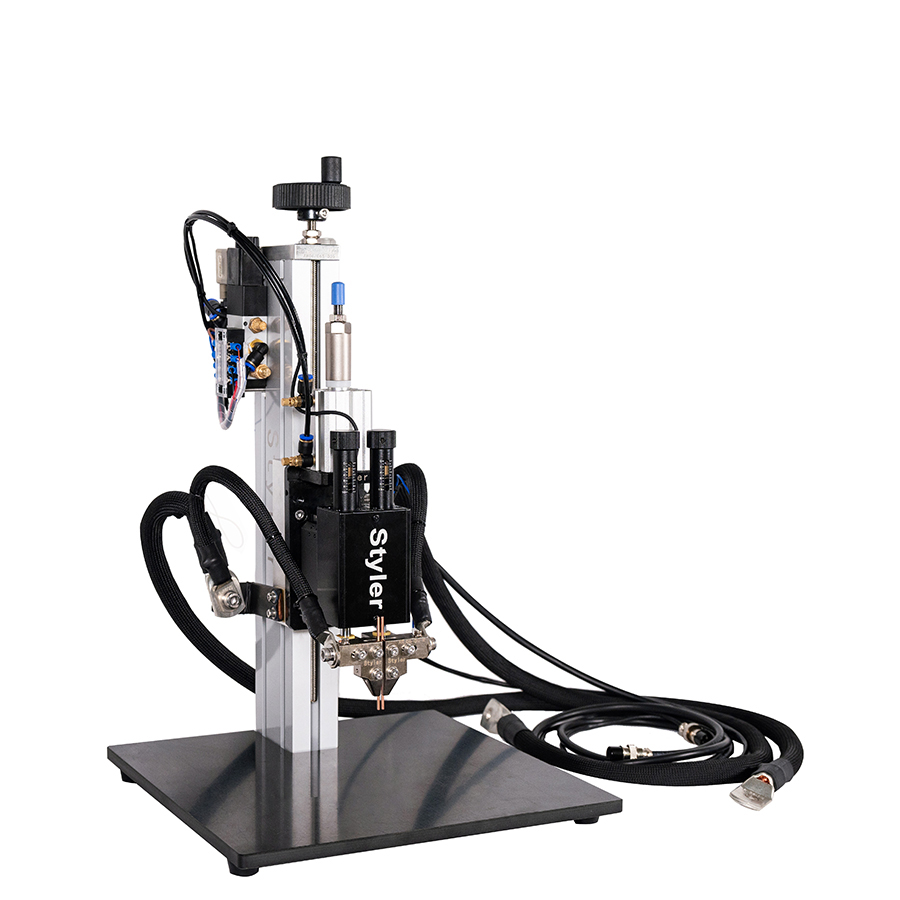
Heavy commercial vehicles, electric buses, and utility platforms depend extensively on high-capacity prismatic cells. Joining heavy current busbars and flexible BMS voltage-sensing harnesses demands adaptable welding tooling. Styler provides custom stroke welding heads and programmable multi-pulse power supplies that eliminate spatter while creating corrosion-resistant joins capable of bearing continuous current loads of several hundred amperes.
Dissimilar Metal Joining Under Dynamic Loading
One of the primary metallurgy challenges in battery engineering is the joining of dissimilar conductive metals—notably copper to aluminum and nickel-plated steel to copper alloys. The significant disparity in melting temperatures and thermal conductivities frequently results in brittle intermetallic compounds if processed improperly. High-precision point welding platforms apply multi-stage ramp, soak, and quench profiles, establishing stable localized solid-state diffusion and micro-welds that maintain high tensile peel strengths under ongoing road vibration.
Future Trends: Scalability, In-line Analytics & Smart Automation
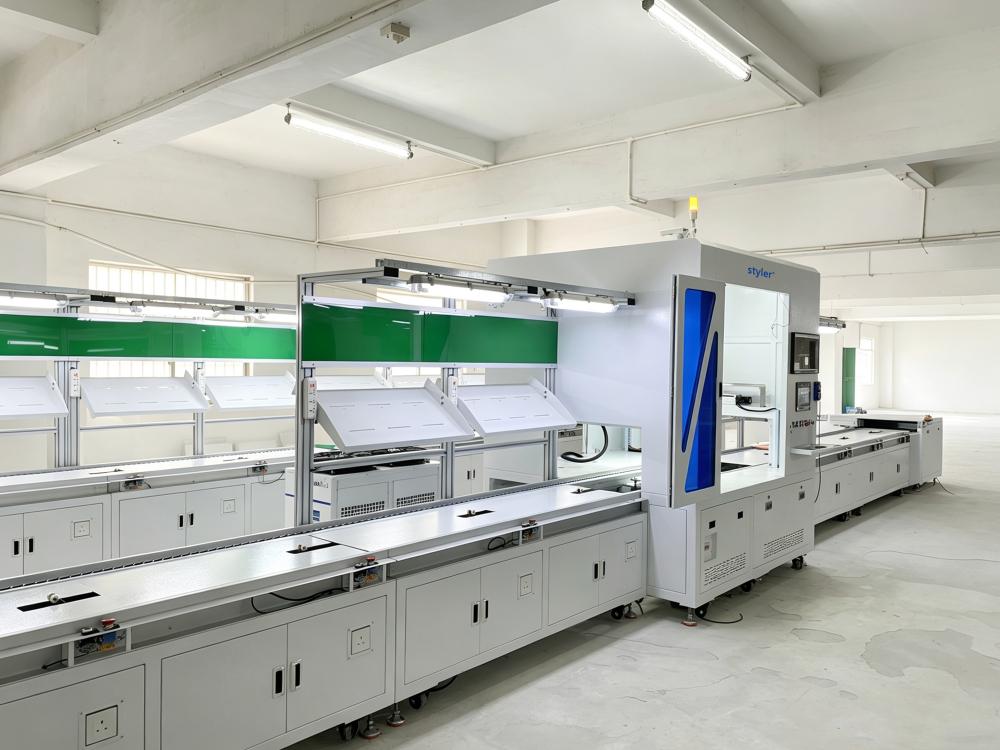
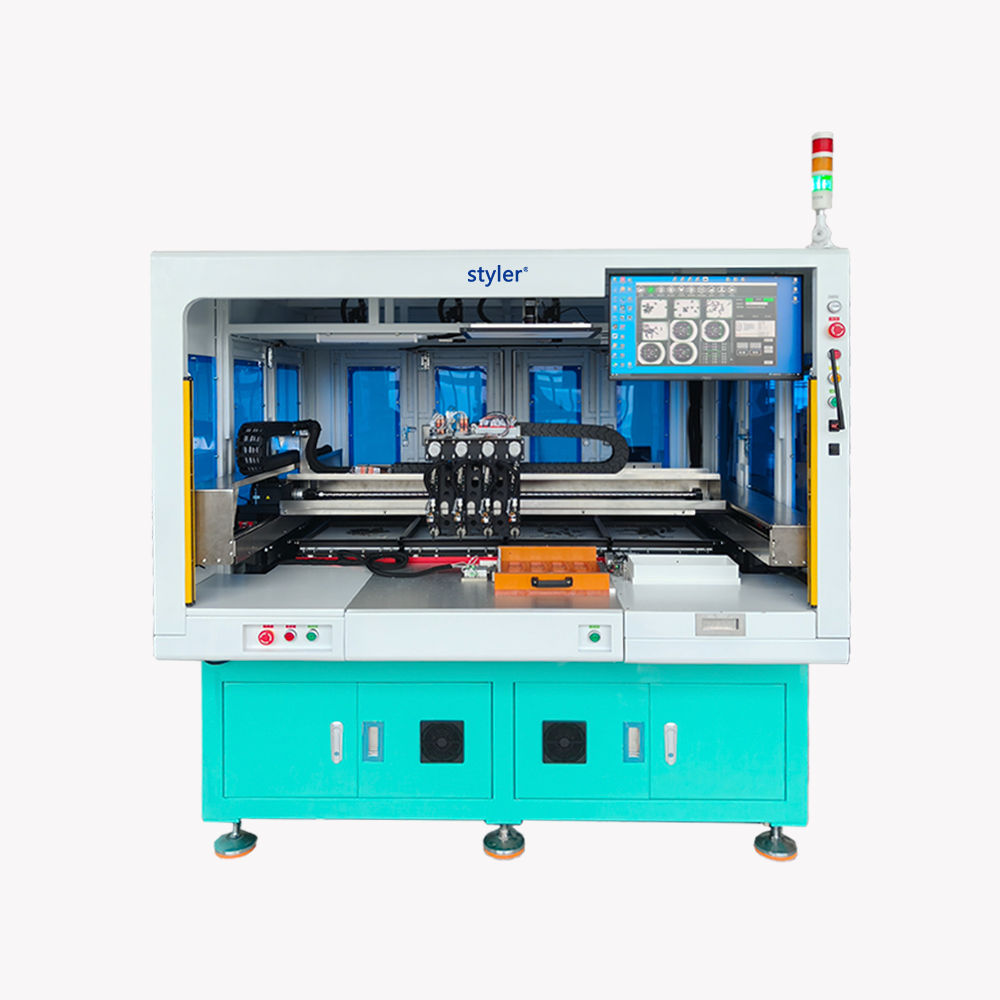
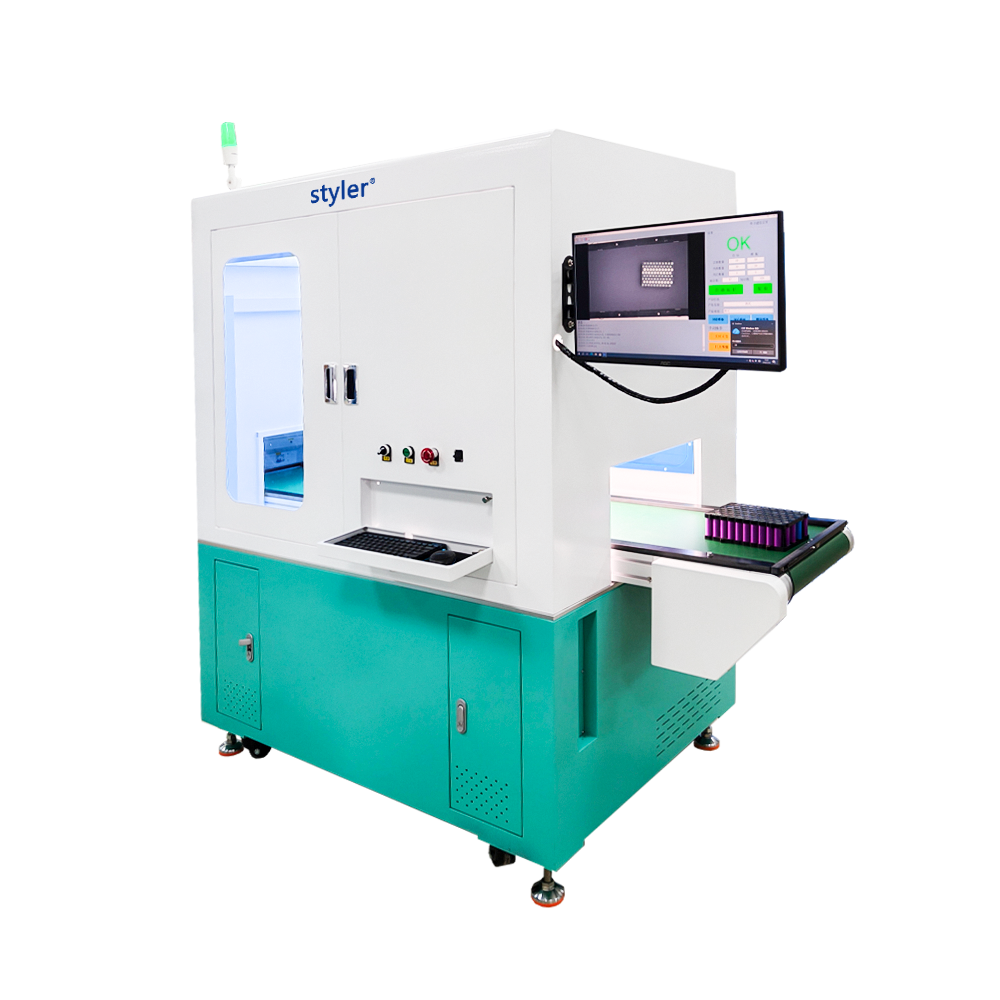
Looking ahead to the next decade of commercial battery module design, micro-joining hardware must integrate smoothly with automated line handling. The industry is moving toward fully integrated, modular assembly lines where automated pick-and-place systems, vision-driven position correction, and multi-head resistance welders work as an aligned production unit.
Process traceability now stands as a baseline requirement for automotive homologation. Every individual weld point is mapped via manufacturing execution systems (MES), with dynamic impedance curves, peak discharge currents, and mechanical indentation depths permanently linked to each module serial number. As solid-state architectures and tabless cell designs gain commercial traction, point welders continue to evolve with ultrafast current slope controls and ultra-low pressure heads that protect next-generation separator films while preserving structural stability.
About Styler: Engineering Excellence & Corporate Integrity

About Us
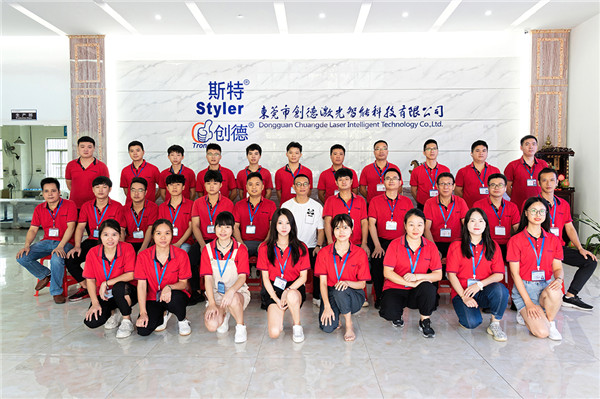
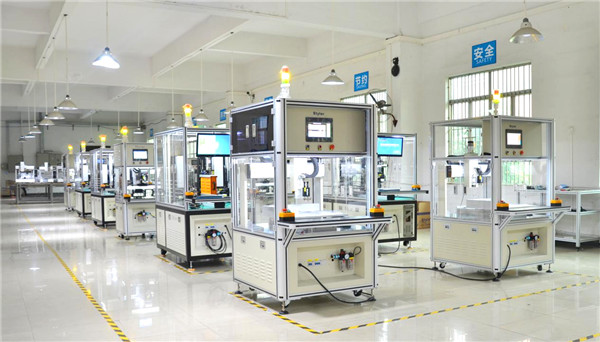
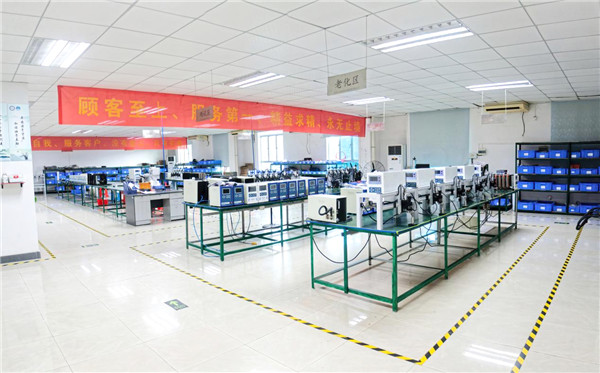
Styler is a professional manufacturer aims to provide high quality and trustful welding machine to the customer. Our company has unique understanding and innovative idea in the field of resistance welding and laser applications, and the welding technology has reached to the international level through continuously investing in the technical research and development. We also cooperate with education institutes on the technology development to enhance our machine’s performance and application area. Customer Centric is our core value. Besides of providing personalized high performance and durable machines to the customer, we value the hospitality the most, as we wish customers to have a pleasant purchase experience with us for each visit. Therefore, we have been providing ongoing training internally to provide excellent customer service to our customer. We believe the customer-oriented direction is the key to success, and it has been successfully helping us to develop a strong reputation in the industry, allowing us to retain customers and attracting new customers to start the business with us.
Company Vision
To provide a cutting-edge welding machine in a reasonable price to the customer has been the long-term goal for Styler, and thus, we will continually be developing innovative, stable, and budgeting machine to the customer around the world.

Corporate Social Responsibility
Giving back to the society is important as we are not able to go this far without the community’s support. Therefore, Styler has been actively participating in the charity works and government events each year, to improve the local municipal service and facility.
Employee Development
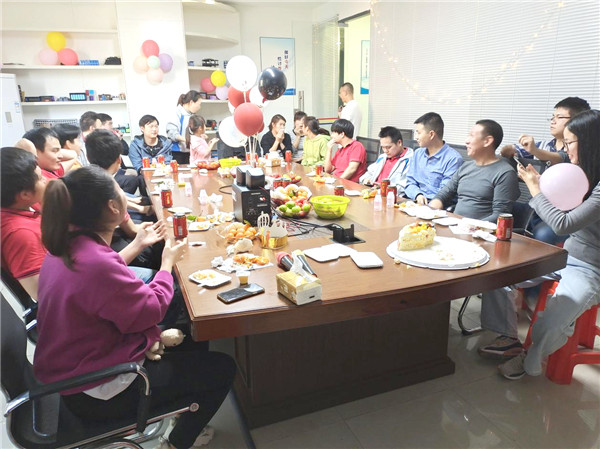
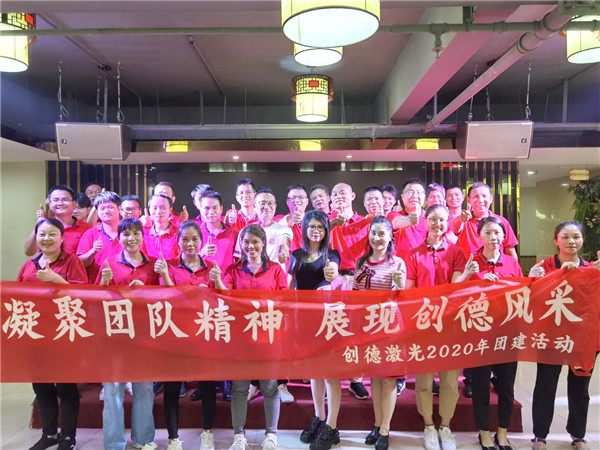
Despite all the growth that has occurred over the years, we remain extremely employee centric. Our management team works tirelessly to ensure each Styler Welding employee feels fulfilled from work and life. As work-life balanced living style is proved that it would increase employee’s performance at work, and consequently, providing better service and product to the customer.