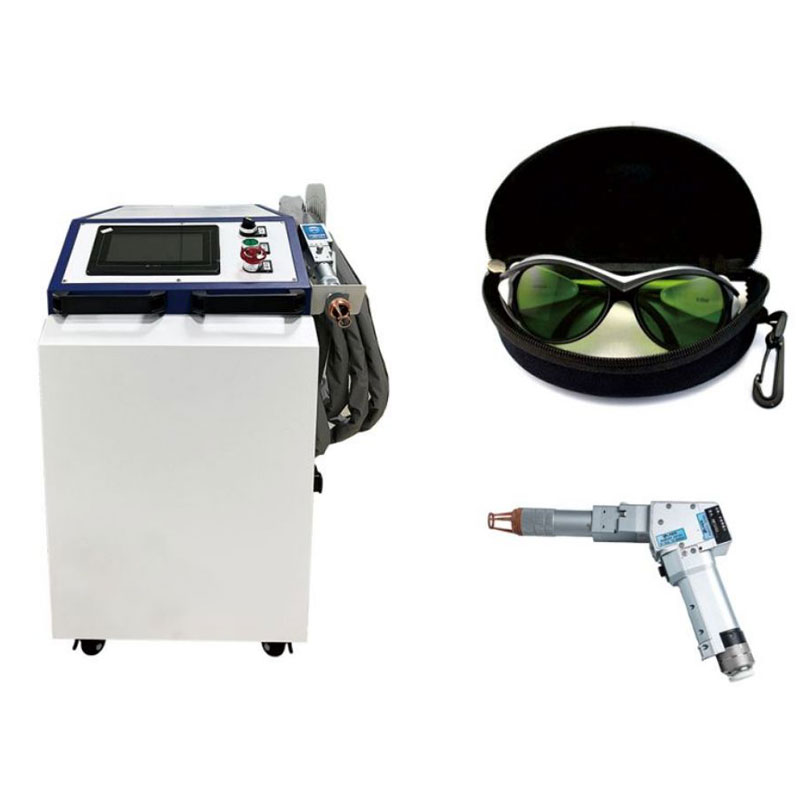
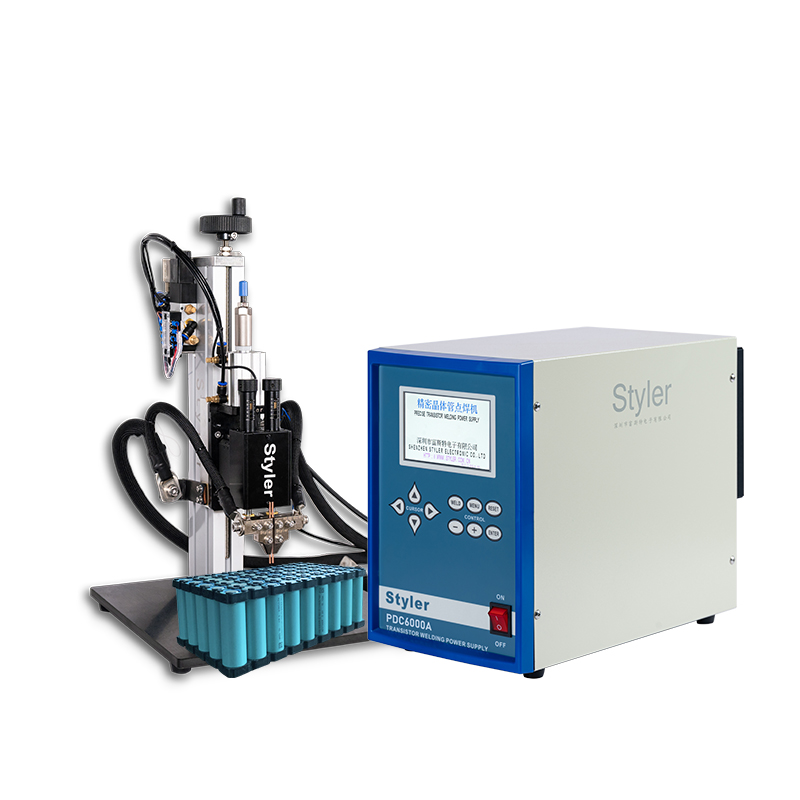
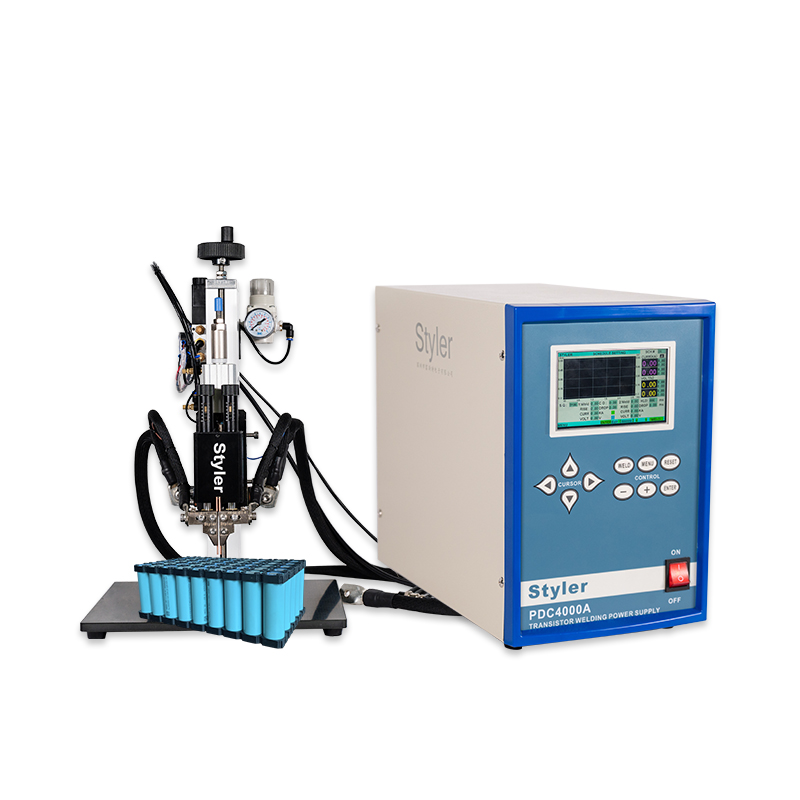
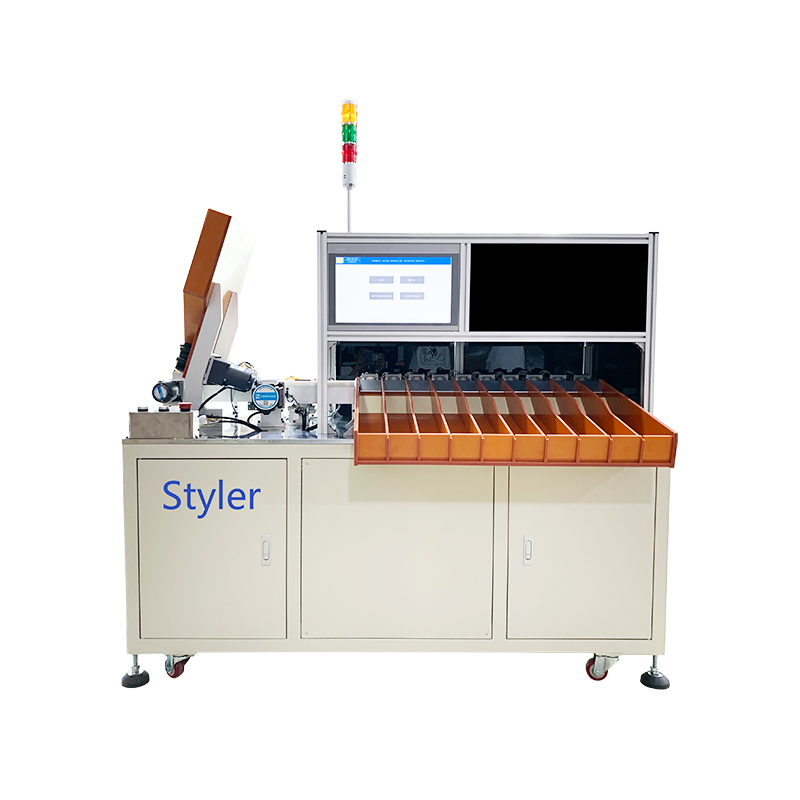
Featured Chassis & Sheet Metal Welding Systems
High-speed, closed-loop inverter and precision tooling units configured for heavy sheet metals, busbar joints, and chassis fabrication lines.
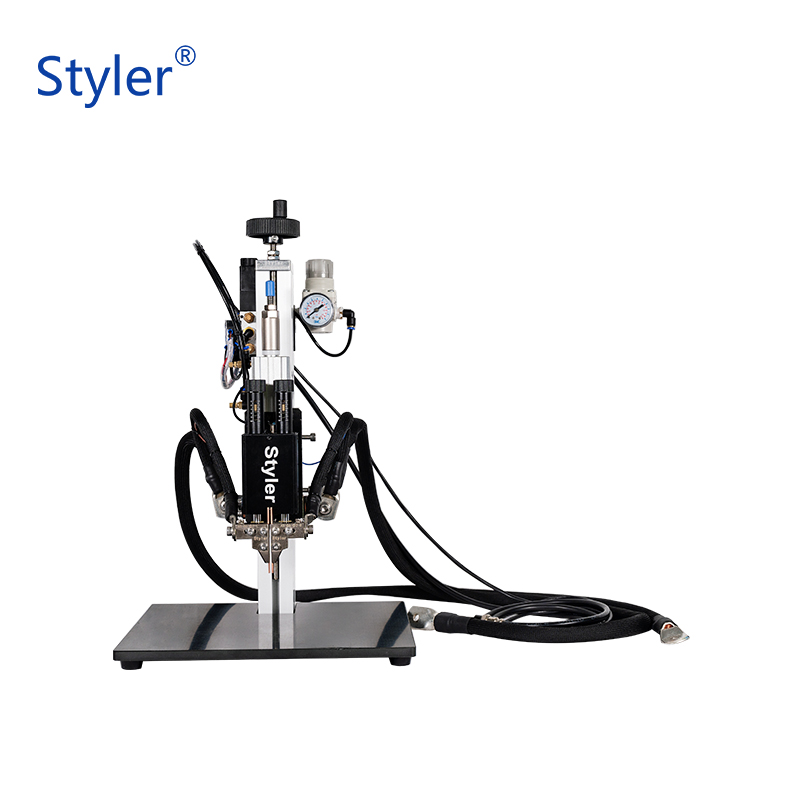
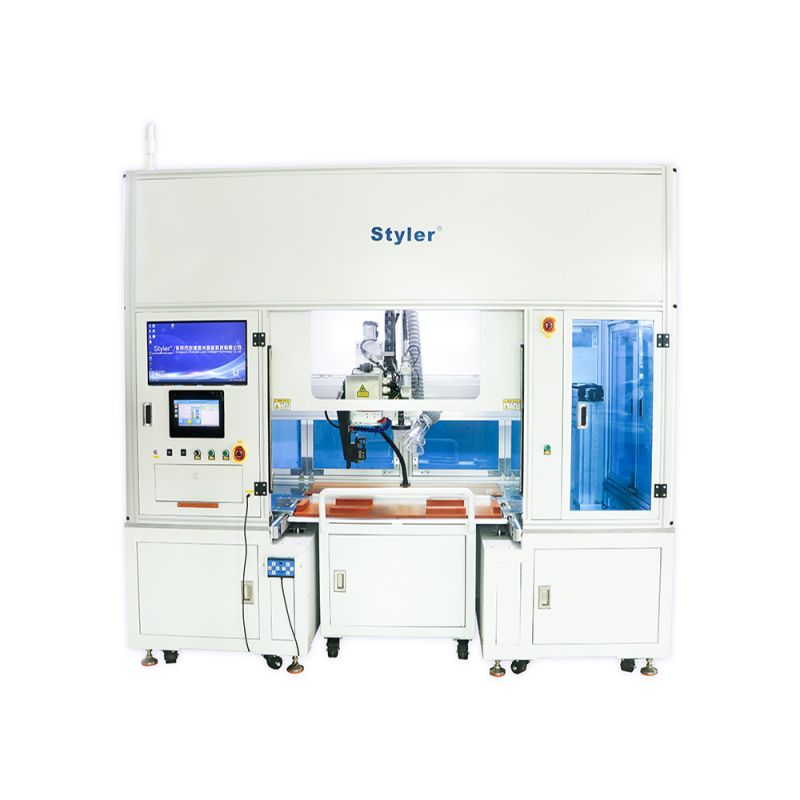
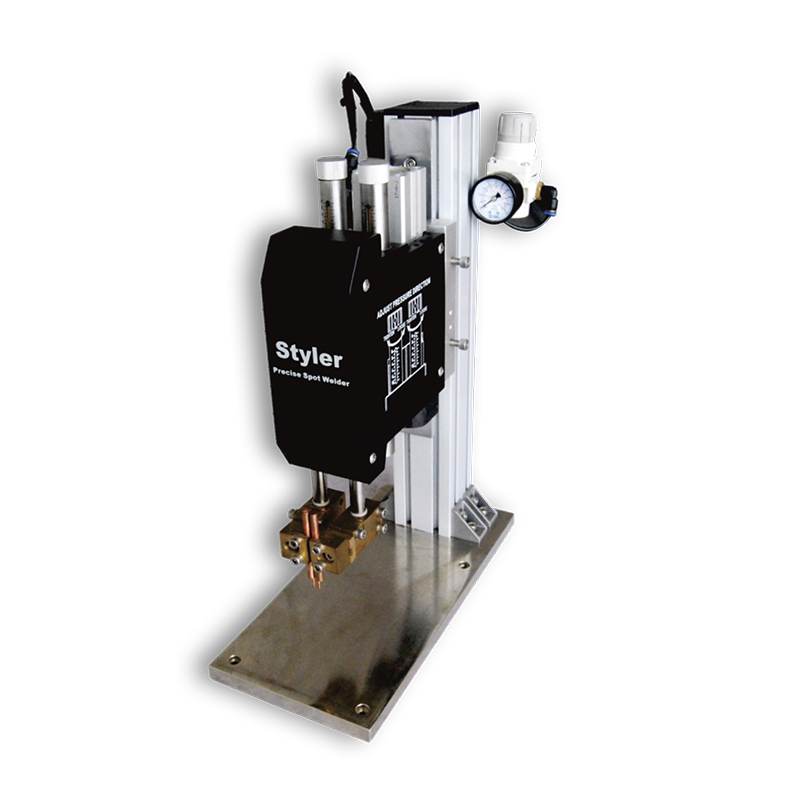
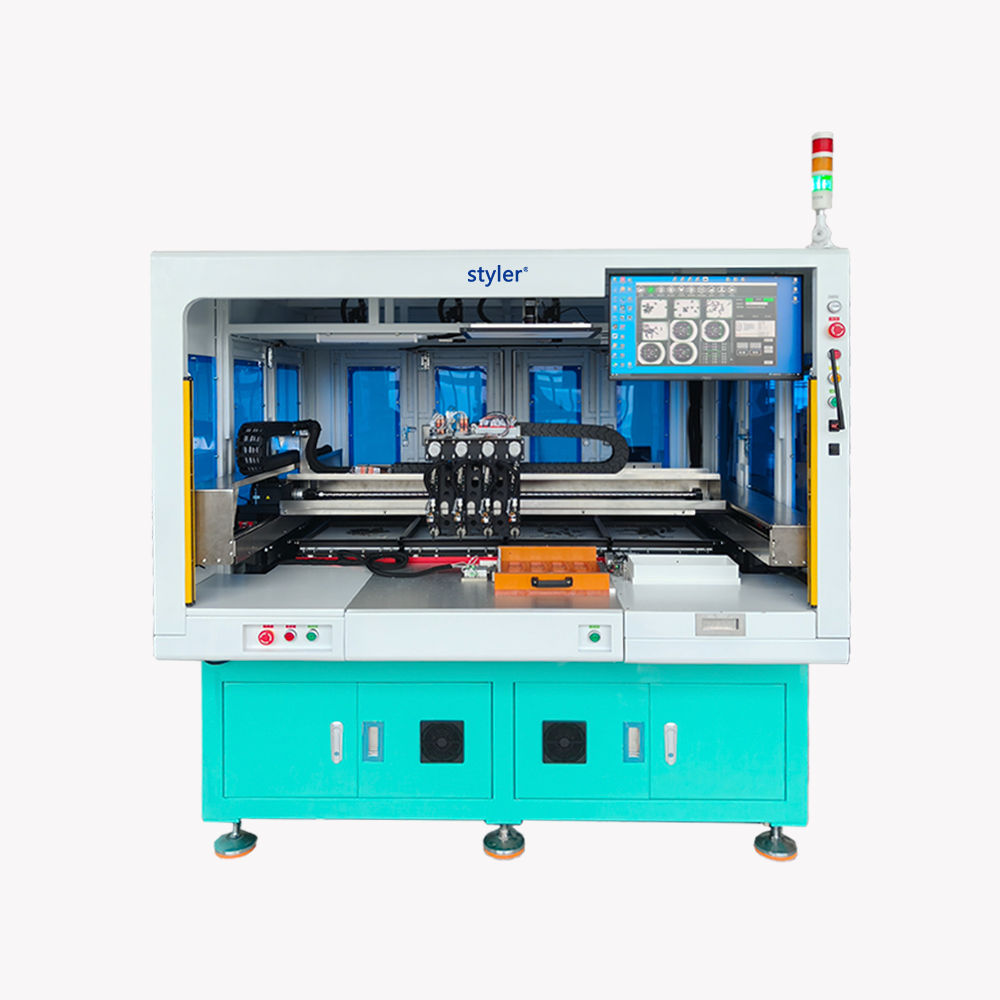
Industrial Paradigm: The Evolution of Resistance Spot Welding in Chassis Manufacturing
In the realm of advanced metal manufacturing, the term Point Welder (commonly recognized across heavy manufacturing disciplines as resistance spot welder, projection welder, or capacitor discharge point bonding unit) represents a cornerstone manufacturing technology. Modern chassis fabrication—encompassing automotive vehicle frames, heavy-duty commercial truck cab skeletons, telecommunication outdoor racks, and electric vehicle (EV) battery enclosures—operates under grueling mechanical, vibrational, and thermal requirements. Fabricating high-power metal sheets requires welding machines capable of delivering massive electrical currents (often scaling from 2,000A to well beyond 60,000A) coupled with sub-millisecond precision forging pressure.
Historically, low-carbon single-gauge steel dominated structural chassis engineering. However, the current shift toward lightweighting, high-tensile crash-resistant alloys, and high-current electrical busbars has radically transformed the metallurgical landscape. Production engineers must now routinely join Advanced High-Strength Steels (AHSS), Ultra-High-Strength Steels (UHSS, such as boron press-hardened steel up to 1500–2000 MPa), lightweight 5xxx and 6xxx series aluminum alloys, and multi-layered structural sheets. In these high-power applications, standard alternating current (AC) welders fall short due to excessive inductive losses, intense thermal spatter, localized burn-through, and unacceptable thermal distortion of sheet profiles.
Engineering Breakthrough: Modern High-Frequency Inverter DC (MFDC) and High-Energy Capacitor Discharge (CD) Point Welders deliver concentrated energy input within single-digit milliseconds. By restricting the heat-affected zone (HAZ), structural chassis assemblies achieve pristine metallurgical shear strength without compromising the dimensional tolerances of complex stampings.
Sub-Millisecond Energy Concentration
Releasing high-density current in microsecond intervals ensures weld nugget formation happens before thermal conduction bleeds into the adjacent metal, dramatically reducing mechanical warpage across extended chassis panels.
Balanced 3-Phase Grid Loading
Medium-frequency direct current (MFDC) systems draw evenly across 3-phase industrial power grids, mitigating unbalance penalties, reducing peak power spikes, and yielding up to 35% electrical efficiency gains over legacy 50/60Hz AC welders.
Closed-Loop Dynamic Servo Control
Real-time constant current (constant voltage / constant energy) feedback monitors nugget expansion dynamically, micro-adjusting electrode force and current in response to surface scale or gap anomalies.
Deep Technical Architecture: Point Welder Methodologies for Heavy-Gauge Sheet Fabrication
Selecting the right point welding process for chassis fabrication is dictated by material stack-ups, total sheet thickness, conductivity differences, and structural loading cycles. The table below delineates the three primary architectures utilized in heavy structural sheet and chassis production:
| Welding Architecture | Energy Transfer Mechanism | Primary Metallurgical Advantages | Ideal Chassis Application Scenarios |
|---|---|---|---|
| Capacitor Discharge (CD) Point Welder | Instantaneous discharge of stored high-voltage capacitors through pulse transformers | Extremely fast rise time (1-3 ms), minimal HAZ, ideal for heat-sensitive coatings and projection nuts/studs | Automotive structural projection welding, high-strength threaded fasteners to chassis crossmembers |
| Medium-Frequency Inverter DC (MFDC) | 1 kHz – 4 kHz rectified inverter delivering smooth direct current under continuous feedback | Pore-free nugget solidification, wide welding process windows, zero reactive impedance in large throat arms | High-power metal sheet frames, multi-layer galvanized body-in-white (BIW), battery chassis trays |
| High-Power Hybrid Laser-Resistance System | Coordinated localized fiber laser pre-heating combined with concentrated electrical forge clamping | Drastically lowers required mechanical clamp force, eliminates expulsion in reflective alloys (Copper/Al) | Complex aluminum chassis sub-assemblies, heavy power busbar junction boxes inside vehicle floorpans |
Advanced Engineering Scenarios in High-Power Metal Sheet & Chassis Assemblies
1. EV Structural Battery Enclosures and Unterbody Skateboards
In modern electric vehicles, the chassis serves dual purposes: standard structural rigidity and an IP67/IP69K sealed vault for hazardous battery modules. Fabricating the underbody pack tray involves joining heavy-gauge aluminum internal cross-braces (6061-T6 to 5754) to high-strength lower protection skid plates. Point welders configured with customized servo-pneumatic heads deliver up to 12 kN of consistent electrode forging force, neutralizing oxide film barriers and guaranteeing leak-tight, crash-proof structural joints without perforation.
2. Heavy-Duty Industrial Enclosures, Power Distribution Units, and Modular Racks
High-voltage switchgear cabinets, telecommunications infrastructure, and utility-scale solar inverter chassis are fabricated from 2.0mm to 4.5mm galvanized, cold-rolled steel and stainless-steel sheets. The challenge lies in maintaining squareness, parallelism, and pristine zinc-coating preservation to prevent premature corrosion. High-power point welders utilize dynamic current-slope algorithms (pre-heat, weld, post-heat temper) to evaporate zinc cleanly without violent explosive expulsion, preserving the corrosion-resistant boundary layer while ensuring sheer joint stability exceeding AWS D8.9 specifications.
3. Specialized Projection Welds for Chassis Fasteners
Chassis frames require hundreds of heavy threaded M8–M16 collar bolts, weld nuts, and reinforcement brackets to be bonded to chassis rails. Using manual arc or MIG tack welding often induces thermal twisting, slag accumulation, and threaded thread contamination. Utilizing an industrial capacitor discharge or high-current point projection welder instantly collapses engineered ring or multi-point projections in 8 to 15 milliseconds, achieving full perimeter metallurgical bonding without thread distortion or spatter cleanup.
Industry 4.0 Integration: Real-Time Dynamic Process Monitoring and Adaptive Control
Contemporary smart chassis production lines are heavily integrated with digital twins and factory-wide MES systems. Modern point welding equipment has surpassed passive mechanical operation to become intelligent edge-computing nodes. By acquiring voltage, current, displacement, and electrode force data at sample rates exceeding 100 kHz, the system maps instantaneous dynamic resistance curves (R-t curves).
When a point welder detects premature splash or an inadequate nugget growth rate caused by sheet-gap fit-up tolerances, the adaptive digital controller dynamically adjusts the firing angle within micro-increments. This closed-loop compensation guarantees 100% weld verification without relying exclusively on destructive teardown tests or offline ultrasonic scanning, ensuring massive operational cost savings and zero field recalls.
About Styler Welding
Pioneering resistance welding systems, laser equipment innovation, and enterprise-grade chassis manufacturing solutions.
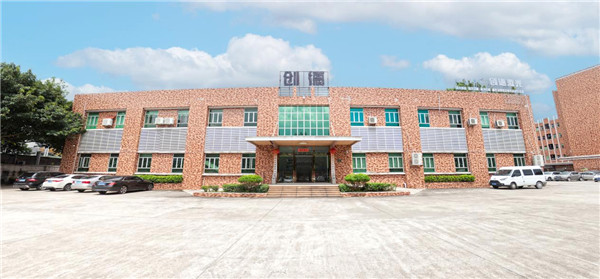
About Us
Styler is a professional manufacturer aims to provide high quality and trustful welding machine to the customer. Our company has unique understanding and innovative idea in the field of resistance welding and laser applications, and the welding technology has reached to the international level through continuously investing in the technical research and development. We also cooperate with education institutes on the technology development to enhance our machine’s performance and application area. Customer Centric is our core value. Besides of providing personalized high performance and durable machines to the customer, we value the hospitality the most, as we wish customers to have a pleasant purchase experience with us for each visit. Therefore, we have been providing ongoing training internally to provide excellent customer service to our customer. We believe the customer-oriented direction is the key to success, and it has been successfully helping us to develop a strong reputation in the industry, allowing us to retain customers and attracting new customers to start the business with us.
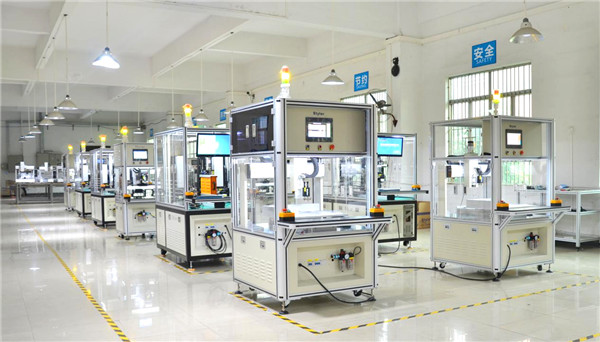
Company Vision
To provide a cutting-edge welding machine in a reasonable price to the customer has been the long-term goal for Styler, and thus, we will continually be developing innovative, stable, and budgeting machine to the customer around the world.
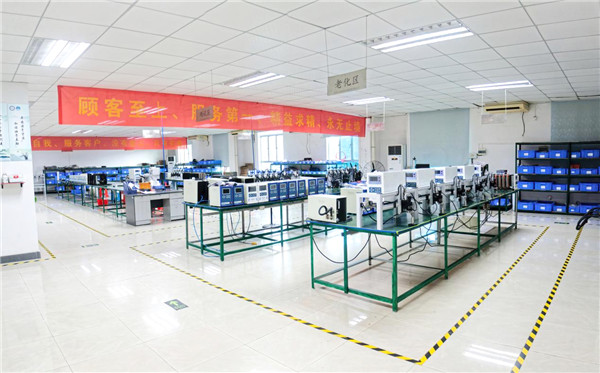

Corporate Social Responsibility
Giving back to the society is important as we are not able to go this far without the community’s support. Therefore, Styler has been actively participating in the charity works and government events each year, to improve the local municipal service and facility.
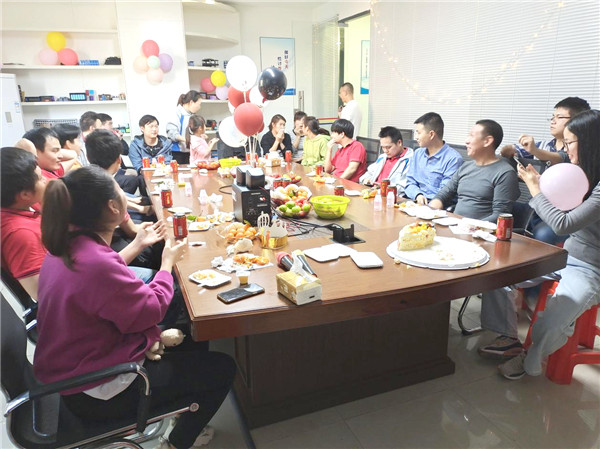
Employee Development
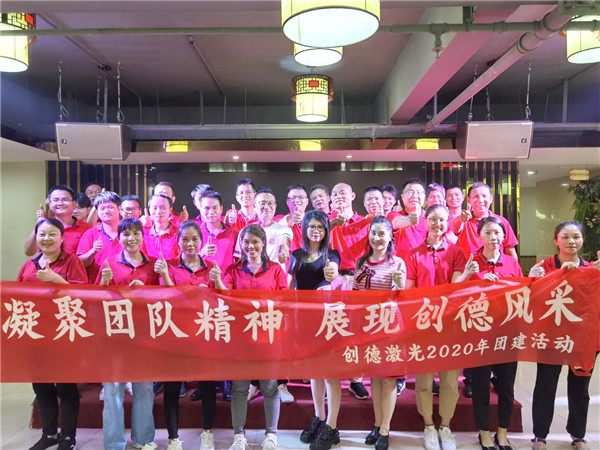
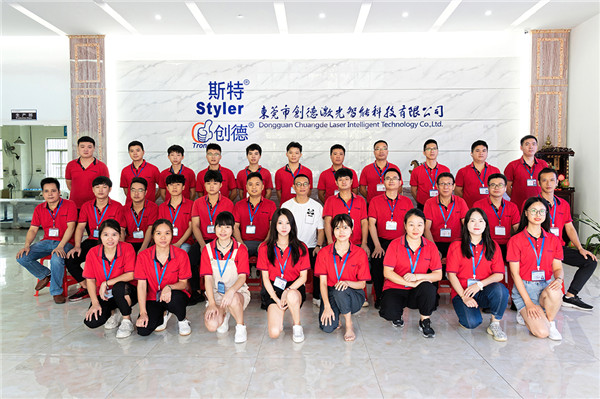
Despite all the growth that has occurred over the years, we remain extremely employee centric. Our management team works tirelessly to ensure each Styler Welding employee feels fulfilled from work and life. As work-life balanced living style is proved that it would increase employee’s performance at work, and consequently, providing better service and product to the customer.
Full Series: Point Welders & Sheet Metal Production Systems
Discover our comprehensive portfolio of spot welders, high-energy laser systems, sorting automation, and precision tooling for industrial manufacturing.