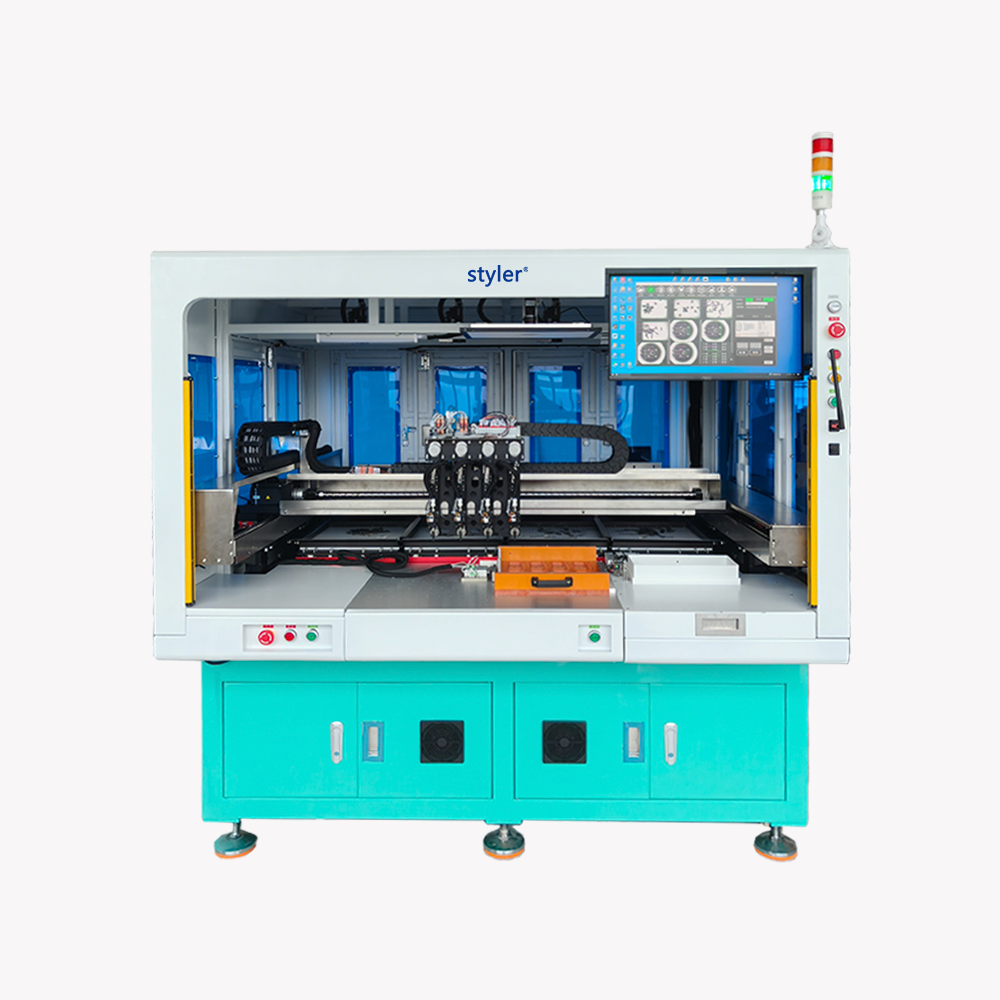
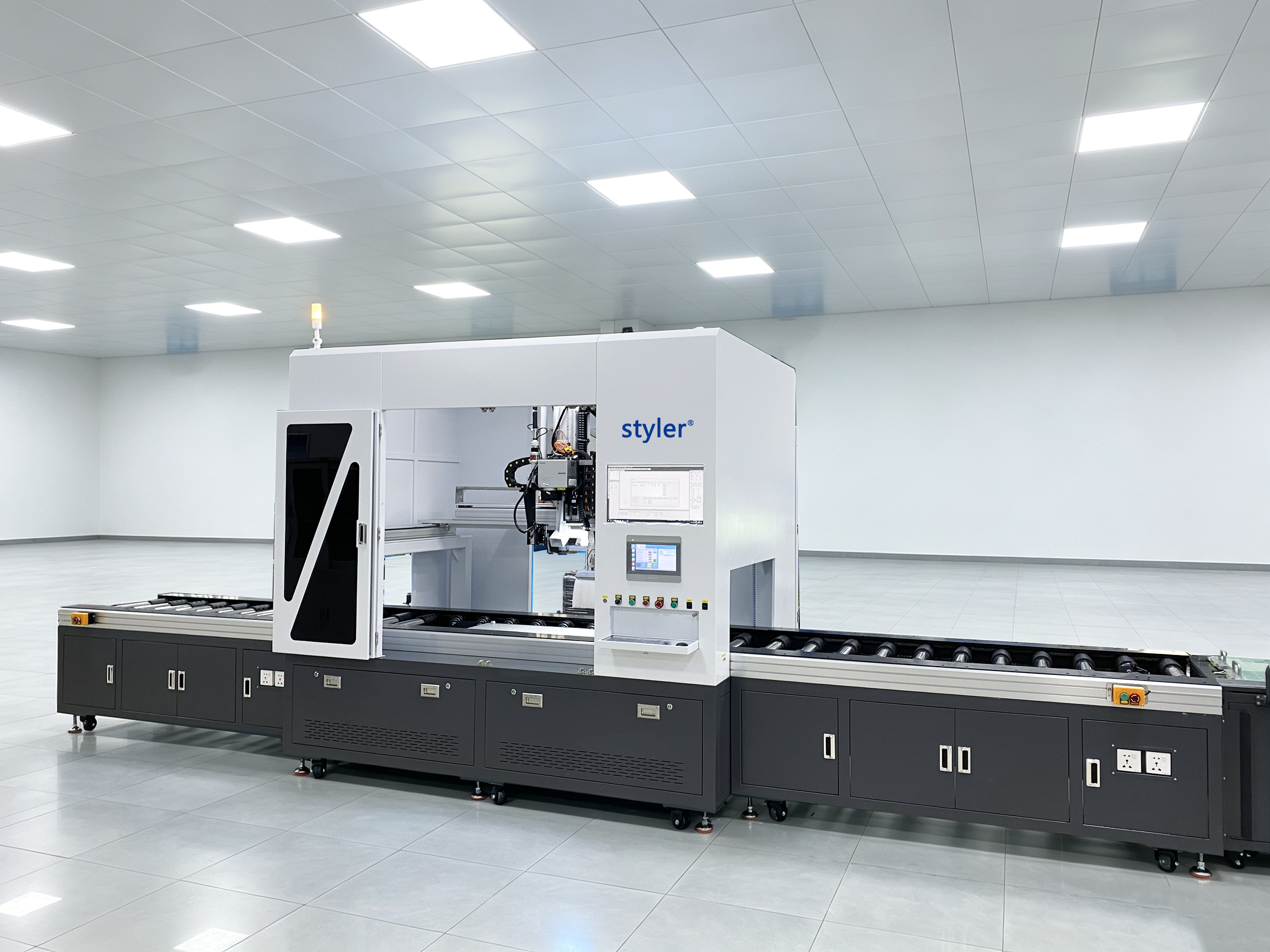
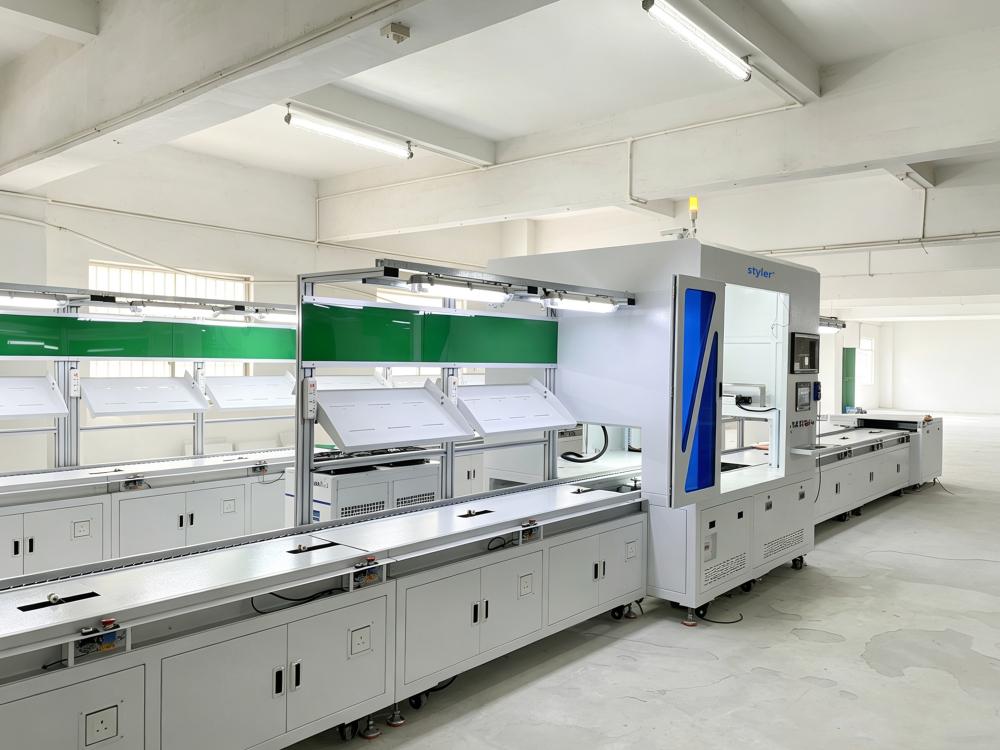
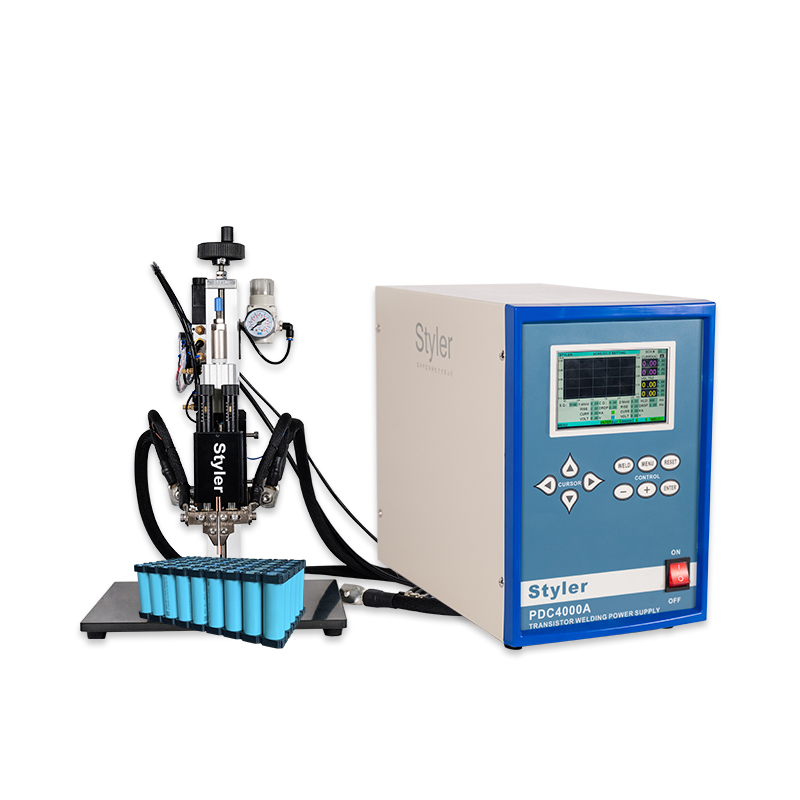
Essential Workshop Repair Equipment
Explore our primary industrial welding machines specifically configured for maintenance engineering workshops, precision repair tasks, and rapid component restoration.
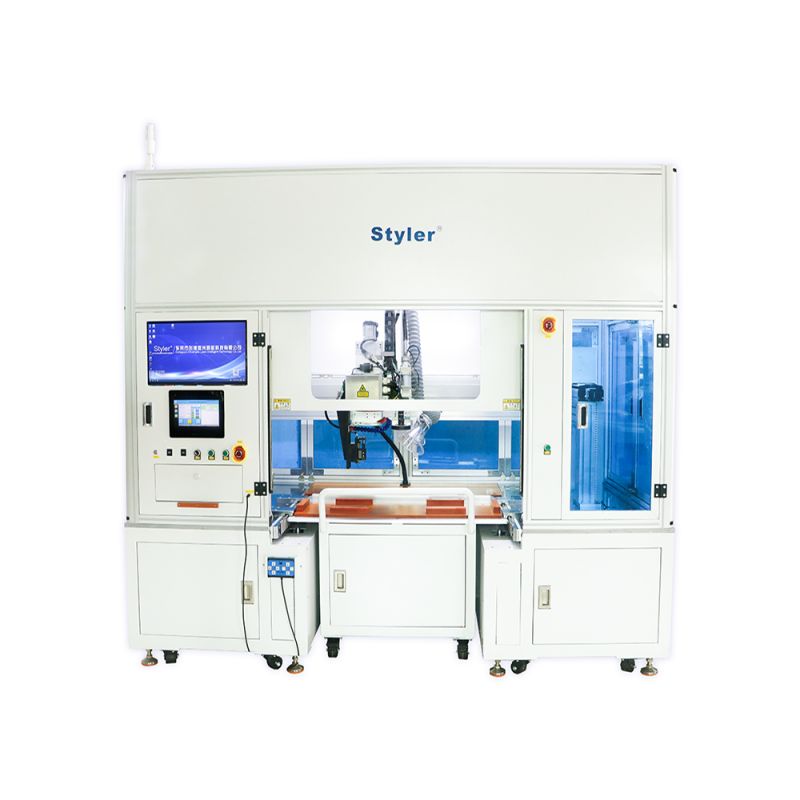
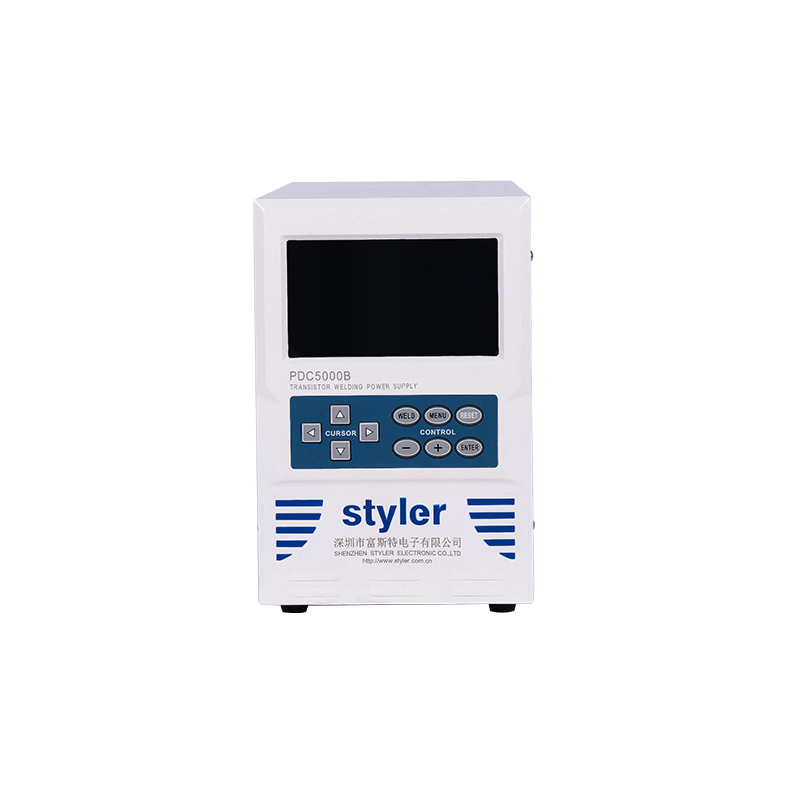
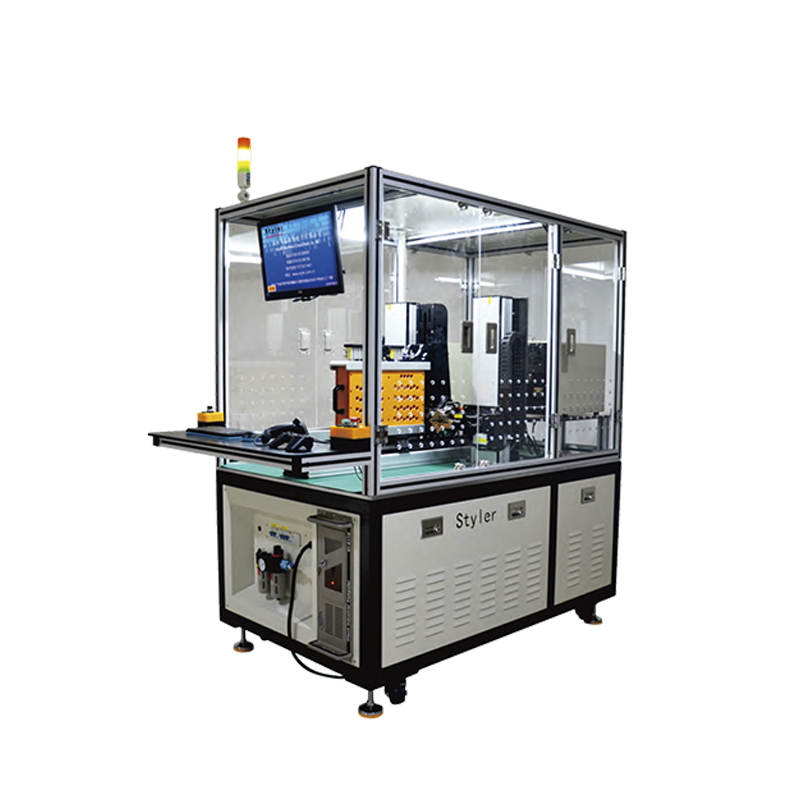
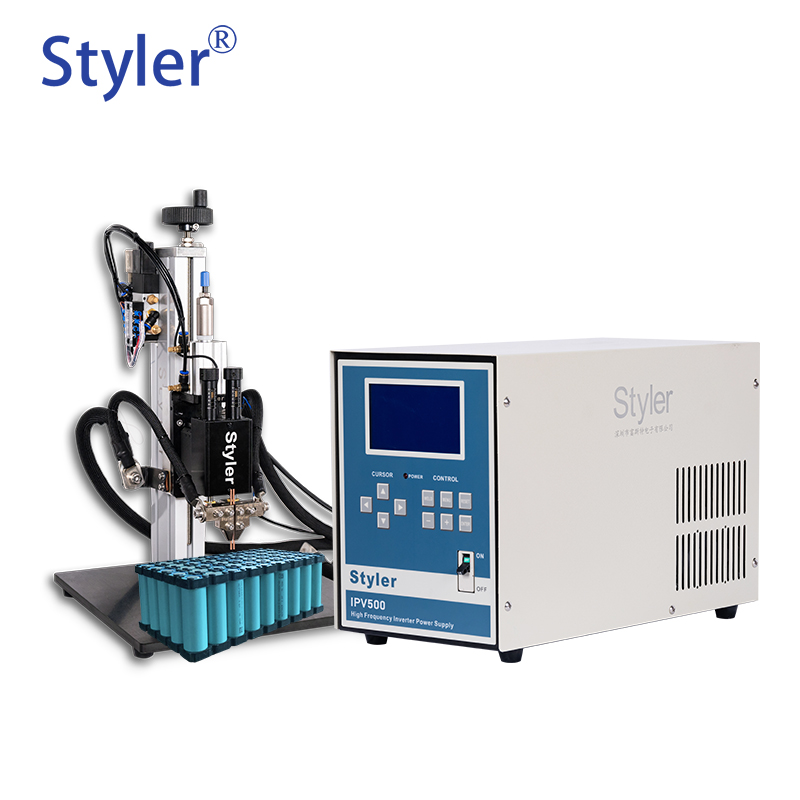
Industrial Landscape: The Strategic Role of Manual & Hybrid Welding Machines in Modern MRO Workshops
In modern industrial engineering, Maintenance, Repair, and Operations (MRO) facilities serve as the critical backbone of operational continuity across manufacturing, aerospace, automotive, energy, and heavy infrastructure sectors. Within these maintenance and repair engineering workshops, equipment failure translates directly into costly downtime. While fully automated assembly lines dominate mass manufacturing, the unique, unpredictable, and highly varied nature of maintenance and repair work demands an entirely different operational capability: tactical agility, precision control, and broad metallurgical adaptability.
This is precisely where the advanced manual welding machine and hybrid repair workstation hold unprecedented strategic value. Unlike standard automated systems that require rigid programming and uniform parts, a manual welding machine operated by a skilled repair engineer provides immediate adaptability to custom geometry, non-standard material thicknesses, and localized structural defects. Today's industrial landscape requires modern repair workshops to maintain versatile welding technologies—ranging from precision resistance spot welders to high-power fiber laser joining heads—capable of restoring worn mechanical components, rebuilding battery modules, fixing structural frames, and re-terminating sensitive electronic connectors.
Rapid Response Capability
Enables workshop engineers to perform instantaneous emergency repairs on fractured dies, worn gears, and broken battery contacts without waiting for long replacement lead times.
Precision Heat Management
Modern manual resistance and laser systems deliver ultra-focused thermal energy, dramatically reducing the Heat-Affected Zone (HAZ) and preventing component distortion.
Broad Metallurgical Range
Capable of seamlessly joining dissimilar metals, highly conductive copper/aluminum alloys, nickel tabs, and high-strength tool steels within a single workshop unit.
Deep Application Scenarios in Maintenance & Repair Engineering Workshops
Maintenance engineering workshops handle diverse repair tasks that require tailor-made welding processes. Below is a detailed technical analysis of the primary operational scenarios where manual and semi-automatic welding systems excel.
1. Refurbishment & Re-Tab Welding of Industrial Battery Packs
With the global shift toward electrification in industrial logistics, energy storage, and electric mobility, repair workshops are increasingly tasked with servicing lithium-ion and prismatic battery packs. Over time, battery packs suffer from tab detachment, busbar fatigue, or individual cell degradation. Manual resistance spot welders and specialized micro-joining heads allow maintenance technicians to precisely weld nickel sheets and copper interconnects directly onto delicate cell terminals without transmitting thermal stress to the internal chemistry.
2. Tooling, Die, and Mold Repair Engineering
Stamping dies, injection molds, and heavy tooling components endure immense mechanical stress, leading to localized chipping, cracking, or surface erosion. Replacing a multi-ton industrial mold can cost tens of thousands of dollars and take months. Modern maintenance workshops utilize high-precision pulse spot welders and manual laser cladding heads to deposit matching filler wire directly into microscopic cracks, followed by precision grinding to restore original tolerances.
3. Electrical Hardware & Heavy Cable Busbar Maintenance
In power generation and heavy machinery workshops, electrical conductivity is paramount. Loose or corroded mechanical fasteners on copper busbars lead to high electrical resistance and catastrophic thermal failure. Manual resistance welding machines generate solid-state molecular bonds between copper plates and high-amperage terminals, ensuring zero electrical resistance growth over years of continuous operation.
4. Custom Jig Fabrication and Emergency Structural Patching
Every maintenance workshop frequently acts as an internal prototype shop. Engineers require versatile manual spot and spot-soldering units to build custom assembly fixtures, repair machine guards, weld mounting brackets, and reinforce damaged structural framework. The agility of manual positioning eliminates complex CAD/CAM programming cycles needed for automated robots.
Technical Comparison: Manual vs. Automatic Welding Systems in Workshop Environments
Selecting the correct equipment configuration for a repair facility depends on batch size, repair frequency, operator skill level, and required heat input control. The comparison table below highlights key parameters across typical workshop technologies.
| Welding Parameter / Metric | Manual Resistance Spot Welder | Manual / Handheld Laser Welder | Fully Automated Production Robot |
|---|---|---|---|
| Primary Application Area | Battery tab repair, thin sheet metal, wire joining | Precision mold repair, structural seam welding | High-volume uniform assembly line production |
| Setup Time per Job | Under 2 Minutes (Instant parameter selection) | Under 5 Minutes (Quick optic calibration) | Hours to Days (Robot reprogramming & fixtures) |
| Heat-Affected Zone (HAZ) | Extremely Low (Millisecond pulse delivery) | Minimal (Focused micro-laser spot) | Variable (Dependent on travel speed) |
| Operational Flexibility | Maximum (Adaptive to custom geometry) | High (Handheld or light boom-mounted torch) | Low (Rigid workspace envelope) |
| Capital Investment (CAPEX) | Budget-Friendly / Highly Cost-Effective | Moderate Investment | Very High Capital Cost |
| Skill Requirement | Operator-Guided with Inverters | Certified Laser Technician Required | Automation & Software Engineer Required |
Future Trends: AI-Assisted Manual Welding & Smart Workshop Integration
The manual welding machine of today is no longer an analog transformer box. As Industry 4.0 and Artificial Intelligence permeate maintenance engineering workshops, manual joining equipment is undergoing a technological revolution:
1. Intelligent Inverter Control
Real-time digital feedback monitors electrical impedance thousands of times per second, automatically adjusting current delivery during manual spot welding to compensate for surface contaminants, rust, or operator pressure variations.
2. Predictive Repair Analytics
Integrated IoT modules record weld telemetry, pulse length, and thermal dissipation, building digital passports for repaired components to guarantee compliance with aerospace or automotive safety standards.
3. Ergonomic Co-Assist Systems
Modern manual welding stations incorporate zero-gravity balancers and adaptive welding heads (like the Styler AH03 series), minimizing technician fatigue during intensive shift-long maintenance routines.
About Styler Welding – Engineering Excellence & Innovation
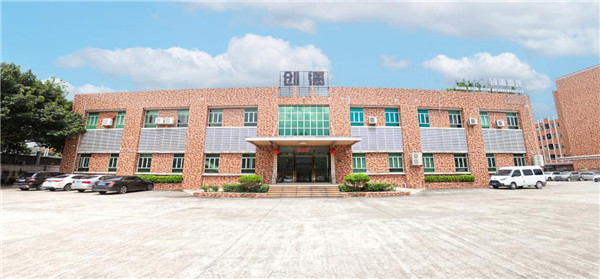
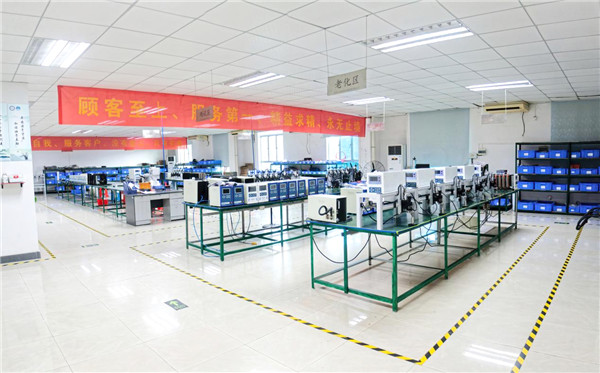
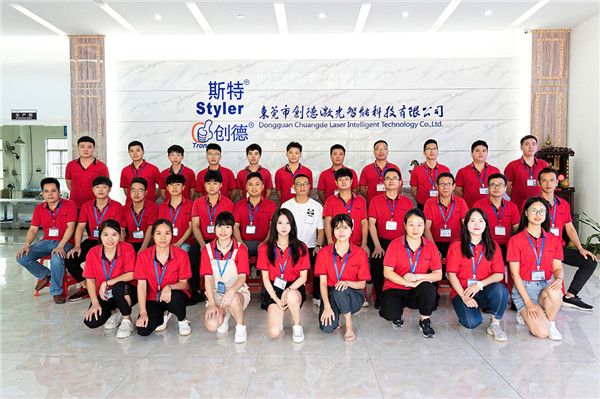
Styler is a professional manufacturer aims to provide high quality and trustful welding machine to the customer. Our company has unique understanding and innovative idea in the field of resistance welding and laser applications, and the welding technology has reached to the international level through continuously investing in the technical research and development. We also cooperate with education institutes on the technology development to enhance our machine’s performance and application area. Customer Centric is our core value. Besides of providing personalized high performance and durable machines to the customer, we value the hospitality the most, as we wish customers to have a pleasant purchase experience with us for each visit. Therefore, we have been providing ongoing training internally to provide excellent customer service to our customer. We believe the customer-oriented direction is the key to success, and it has been successfully helping us to develop a strong reputation in the industry, allowing us to retain customers and attracting new customers to start the business with us.
Company Vision
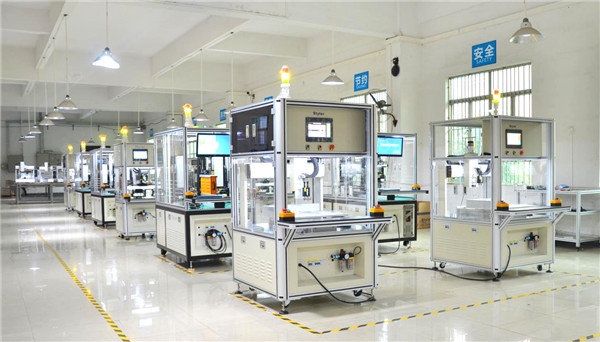
To provide a cutting-edge welding machine in a reasonable price to the customer has been the long-term goal for Styler, and thus, we will continually be developing innovative, stable, and budgeting machine to the customer around the world.

Corporate Social Responsibility
Giving back to the society is important as we are not able to go this far without the community’s support. Therefore, Styler has been actively participating in the charity works and government events each year, to improve the local municipal service and facility.
Employee Development
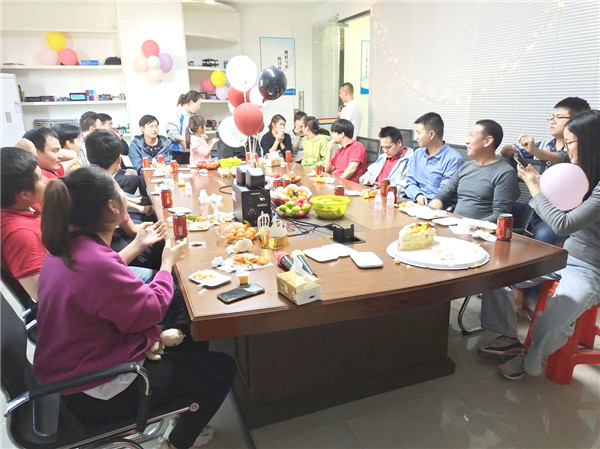
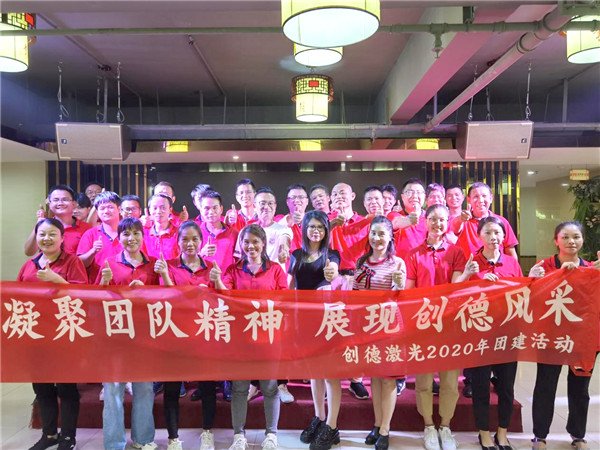
Despite all the growth that has occurred over the years, we remain extremely employee centric. Our management team works tirelessly to ensure each Styler Welding employee feels fulfilled from work and life. As work-life balanced living style is proved that it would increase employee’s performance at work, and consequently, providing better service and product to the customer.
Comprehensive Maintenance & Repair Product Portfolio
Discover Styler's complete lineup of resistance welders, laser machines, precision welding heads, and battery pack repair solutions built for global maintenance workshops.