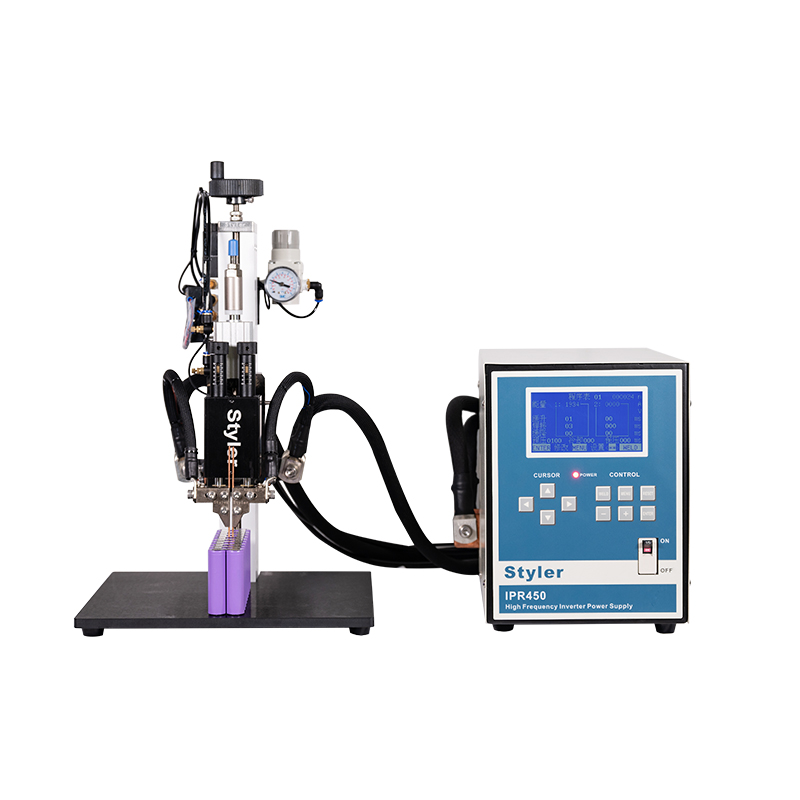
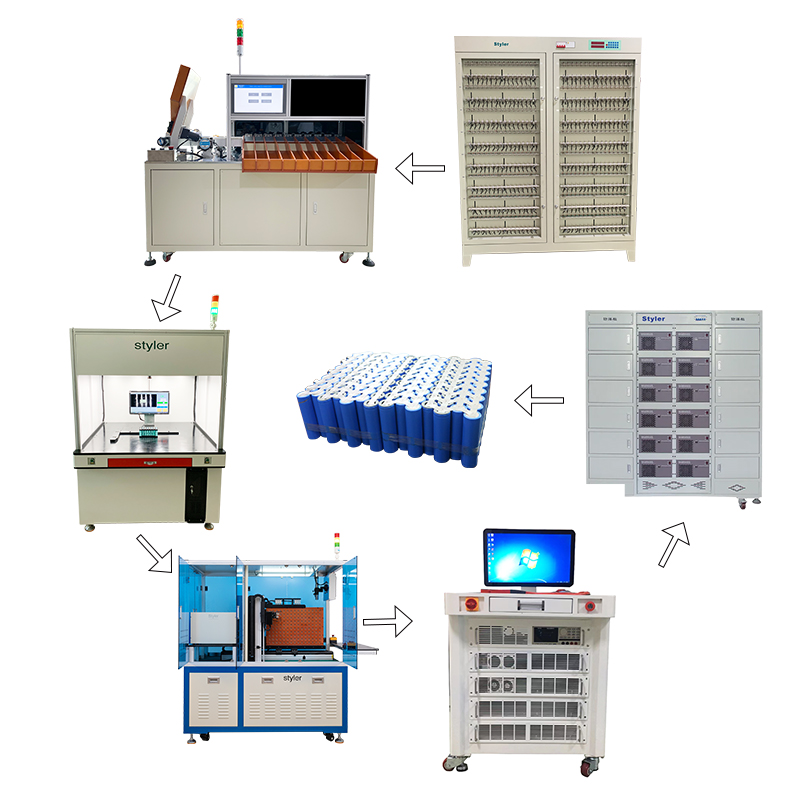
Featured Power Tool Battery Pack Assembly Equipment
Core spot welding systems and precision hardware engineered specifically for cordless power tool battery configurations requiring ultra-low contact resistance and thermal safety.
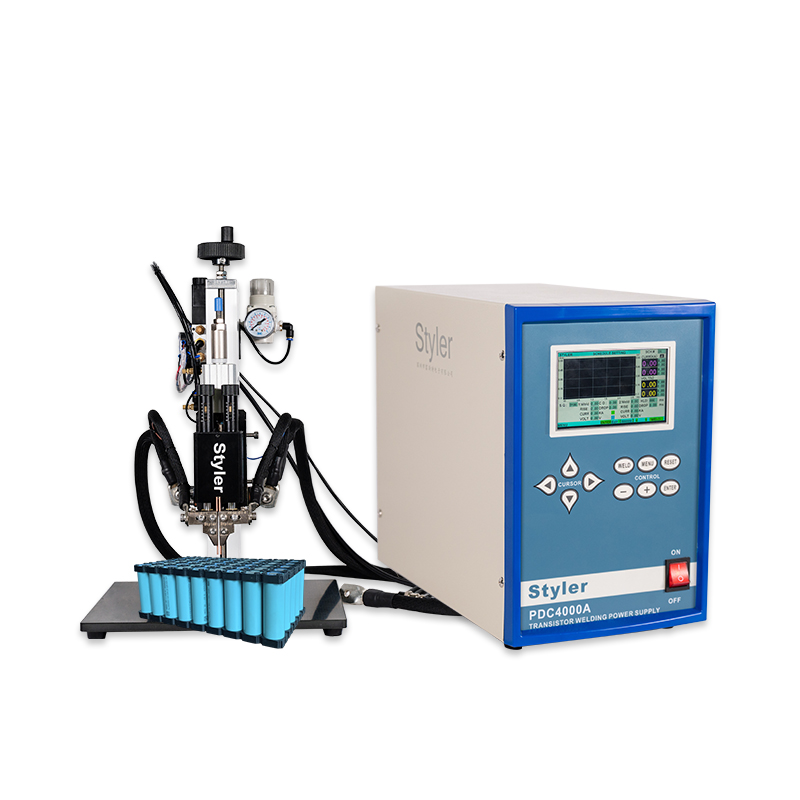
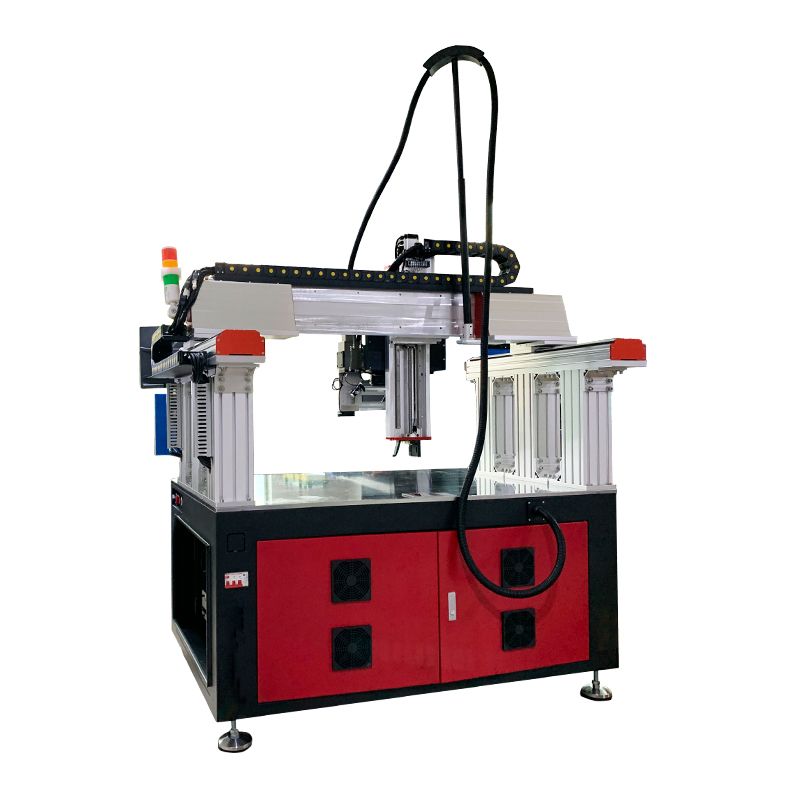
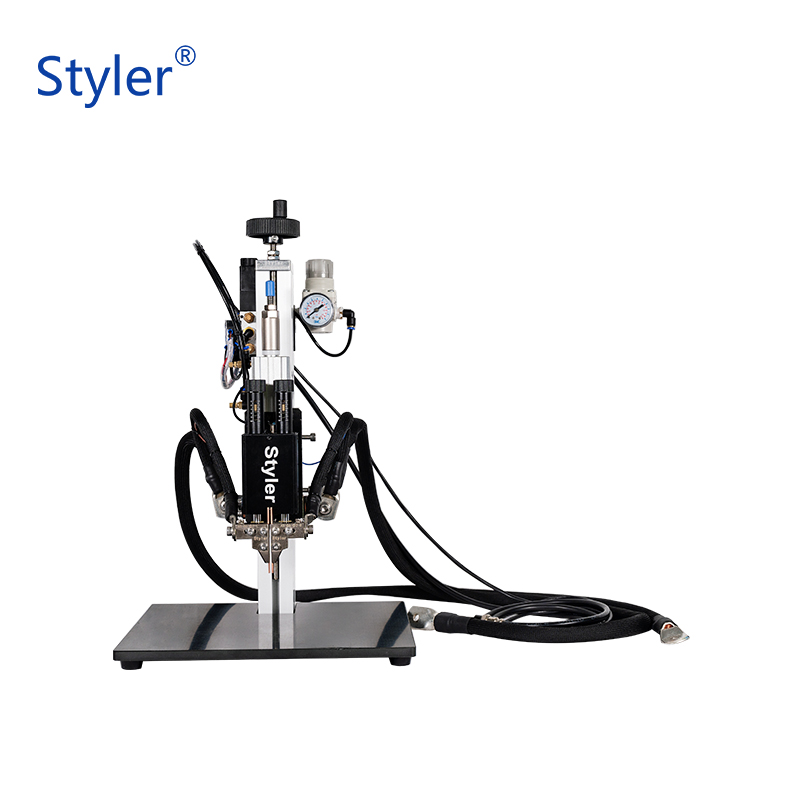
The Evolution of Industrial Spot Welding in Power Tool Battery Manufacturing
The global shift toward high-output cordless equipment has profoundly disrupted the manufacturing sector. From industrial rotary hammers and impact drivers to commercial lawn care tools, today's cordless power tools demand extreme sustained current draw, often ranging from 30A to over 60A continuous discharge. This shift from corded electric machinery to cordless battery packs relies strictly on modern cylindrical lithium-ion chemistry, primarily within standard 18650, 21700, and emerging 4680 cell form factors. Consequently, the manufacturing integrity of the inter-cell connections has become the single most vital factor determining pack longevity, peak power output, user safety, and warranty claims.
Deploying an industrial spot welder for portable power tool battery pack production is no longer just about joining a strip of pure nickel or nickel-clad copper to a cell terminal. It represents an engineering process balancing electrical conductivity, metallurgy, thermo-mechanical fatigue, and microsecond-level process control. As energy densities rise and battery internal resistances drop to the milliohm scale, even a slight thermal overshoot or imperfect weld nugget during production can rupture the internal jelly roll separator or compromise positive temperature coefficient (PTC) safety vents, resulting in latent defects or catastrophic thermal runaway events in the end user's hands.
Ultra-Low Impedance Junctions
High-discharge industrial tools require connection joints with near-zero milliohm resistance to prevent voltage sag and unnecessary thermal build-up under peak torque cycles.
Vibration & Drop Integrity
Power tools endure severe operational shocks and continuous high-frequency vibrations. Welded nuggets must deliver high shear and pull strength exceeding international safety standards.
Zero Internal Cell Degradation
High-frequency inverter closed-loop feedback prevents thermal soaking into the negative can casing and positive safety caps, preventing electrolyte degradation during joint creation.
Critical Engineering Challenges in High-Drain Tool Pack Fabrication
Portable power tool packs operate under far harsher conditions than stationary energy storage systems or consumer electronics. A 5S2P or 10S2P pack installed on an industrial job-site angle grinder experiences rigorous ambient temperature extremes, relentless jobsite dust, multiple drops from heights, and extreme transient current spikes. These physical realities dictate stringent requirements on resistance spot welding and automated manufacturing infrastructure:
1. The Dilemma of Joining Pure Copper vs. Nickel Strips: Historically, pure nickel was the standard busbar material due to its ease of spot welding via medium-frequency resistance welders. However, as tool wattage escalates beyond 1,500W to match corded equivalents, nickel’s electrical conductivity (approx. 22% IACS) proves insufficient, leading to severe resistive I²R heating along the connection strip. Manufacturers are forced to migrate to nickel-copper composite busbars or pure copper sheets (100% IACS). Because copper reflects laser radiation and conducts electrical current with minimal resistive heat generation, conventional spot welders fail to yield repeatable fusion nuggets without violent spatter or explosive burn-through. This has accelerated the adoption of advanced dual-pulse inverter DC spot welders and continuous-wave wobbling fiber laser systems capable of rapid micro-focal welding.
2. Contact Resistance Consistency Across Automated Lines: In automated high-volume production, electrode wear, oxidation, and microscopic variations in nickel strip stamping directly shift contact resistance. If a welding power source operates purely on open-loop voltage or current output, weld nuggets will fluctuate wildly across production shifts. Modern industrial spot welders overcome this through closed-loop inverter control, monitoring current, voltage, and dynamic resistance hundreds of times every millisecond. This enables instantaneous thermal adjustments to neutralize inconsistent stamping tolerances or surface contamination.
| Welding Technology | Typical Application in Tool Packs | Thermal Impact Zone | Conductivity Efficiency | Cycle Speed per Joint |
|---|---|---|---|---|
| High-Frequency Inverter DC Spot Welding | Pure Nickel, Nickel-plated Steel (0.15mm - 0.3mm) | Low (Microsecond energy discharge) | Standard to Medium (Optimal for up to 40A packs) | 0.15s - 0.35s |
| Capacitor Discharge (CD) Resistance Welding | Thick Nickel tabs, basic multi-cell layouts | Extremely Low (Fast energy burst) | Medium (Standard for budget packs) | 0.5s - 1.0s |
| Continuous / Wobble Fiber Laser Welding | Direct Copper-to-Steel, Composite Nickel-Copper tabs | Localized Micro-zone (Near zero thermal transfer) | Maximum (>98% IACS copper integration) | 0.02s - 0.08s (Ultra-high throughput) |
Technical Architecture: Inverter Resistance Spot Welder vs. Fiber Laser Systems
When selecting the ideal machinery setup for portable power tool assembly lines, production managers must evaluate cell configuration, chemistry enclosure constraints, and target yield rates.
Precision Inverter DC Resistance Spot Welders
Operating typically between 2kHz and 4kHz switching frequencies, inverter DC welders rectify three-phase AC input into smooth, ripples-free direct current. The primary advantage is absolute micro-gap control: dual-pulse discharge allows the first low-energy conditioning pulse to vaporize surface oils and flatten irregularities, followed instantly by the main forging pulse to establish a homogenous metallurgical bond without burn-through. Equipped with pneumatic or servo-driven precise welding heads, these systems maintain constant electrode pressure across tens of thousands of cycles, prolonging electrode life while preventing destructive micro-arcs.
Galvo-Driven Fiber Laser Battery Welding Systems
For ultra-premium, high-drain cordless packs operating above 36V or 60V (such as cordless mowers, chainsaws, and heavy demolition hammers), copper busbars are essential. High-power fiber laser welders utilizing oscillating wobble heads disperse laser energy evenly over the cell cap surface. This technique suppresses keyhole instability, practically eliminates spatter blowhole formation, and provides mechanical bond strengths that comfortably exceed the yield strength of the parent copper foil.
Future Industry Trends: Quality Inspection, AI, and Process Traceability
The manufacturing landscape for power tool batteries is rapidly shifting toward Industry 4.0 standards. Top-tier power tool brands require full end-to-end trace documentation for every single cell joint:
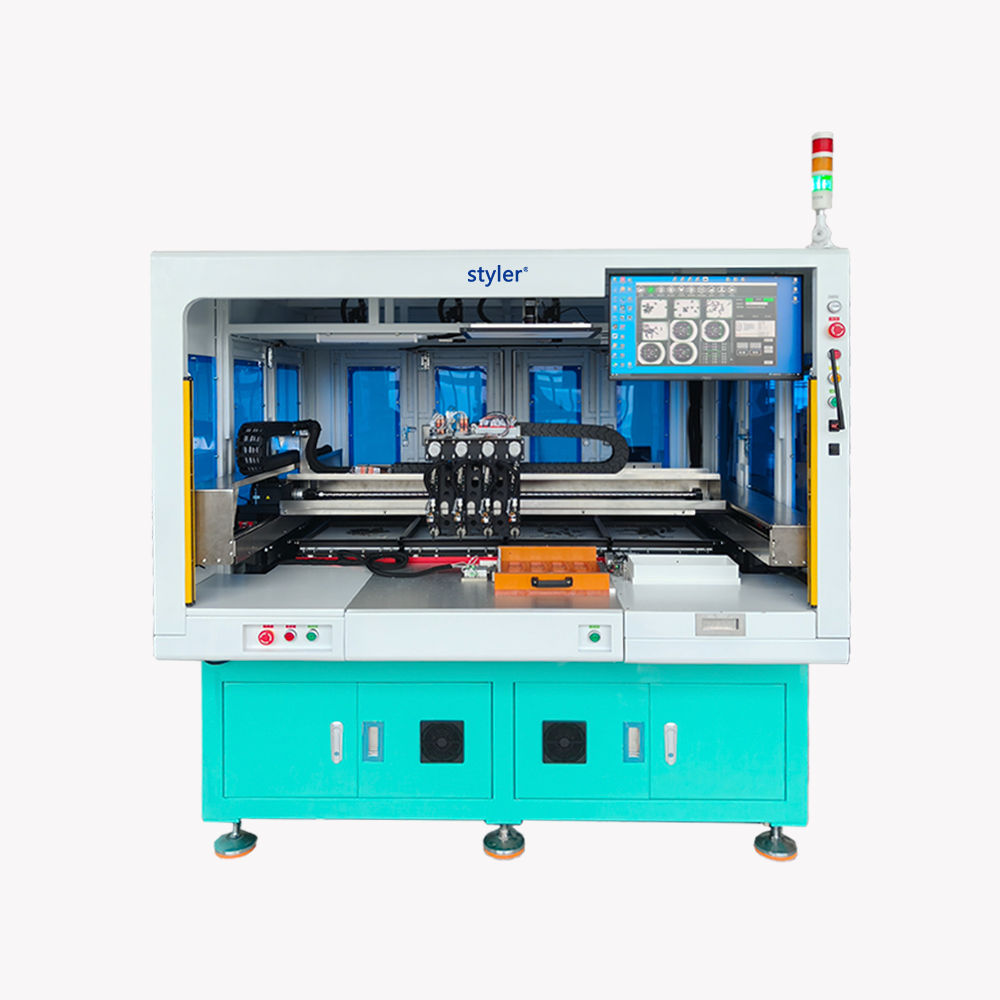
Integrated Vision Alignment and Robotic Precision: Automated nickel sheet placement and dual-headed automated welding machines rely on CCD visual inspection systems to identify cylindrical cell centers, orientation, and polarity before the welding cycle initiates. This eradicates short circuits resulting from operator positioning errors.
Dynamic Displacement and In-Line Quality Diagnostics: Real-time monitoring of weld electrode displacement during the forge cycle reveals nugget expansion and cooling contraction down to individual microns. By analyzing dynamic resistance curves against golden envelope thresholds, our machines instantly flag under-welded joints, cold welds, or electrode stickiness without requiring destructive peel testing on production batches.
About Styler Welding
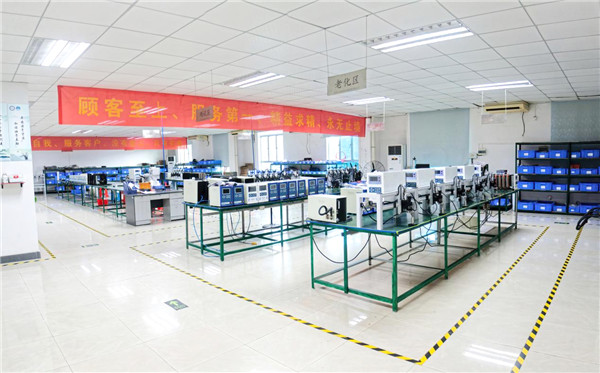
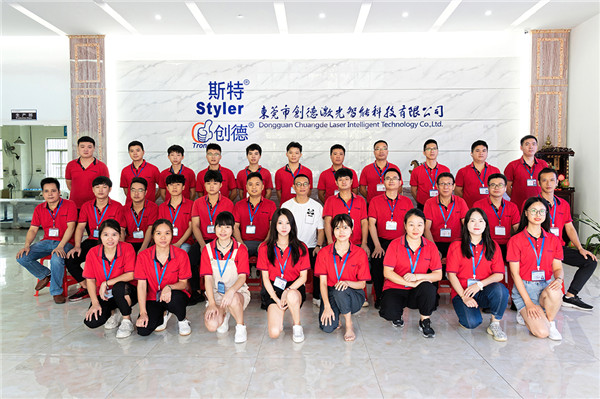
Styler is a professional manufacturer aims to provide high quality and trustful welding machine to the customer. Our company has unique understanding and innovative idea in the field of resistance welding and laser applications, and the welding technology has reached to the international level through continuously investing in the technical research and development. We also cooperate with education institutes on the technology development to enhance our machine’s performance and application area. Customer Centric is our core value. Besides of providing personalized high performance and durable machines to the customer, we value the hospitality the most, as we wish customers to have a pleasant purchase experience with us for each visit. Therefore, we have been providing ongoing training internally to provide excellent customer service to our customer. We believe the customer-oriented direction is the key to success, and it has been successfully helping us to develop a strong reputation in the industry, allowing us to retain customers and attracting new customers to start the business with us.
Company Vision
To provide a cutting-edge welding machine in a reasonable price to the customer has been the long-term goal for Styler, and thus, we will continually be developing innovative, stable, and budgeting machine to the customer around the world.
Corporate Social Responsibility
Giving back to the society is important as we are not able to go this far without the community’s support. Therefore, Styler has been actively participating in the charity works and government events each year, to improve the local municipal service and facility.
Employee Development
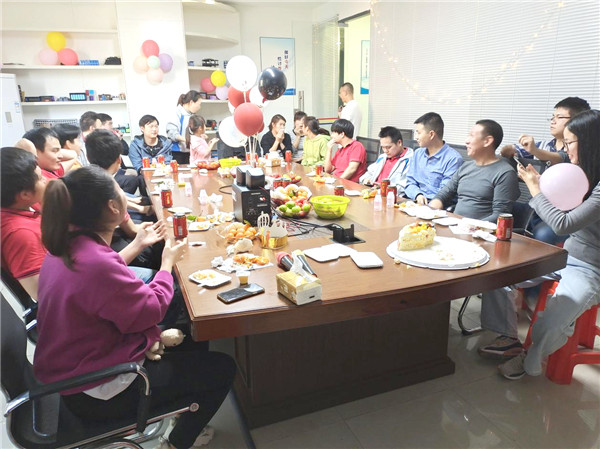
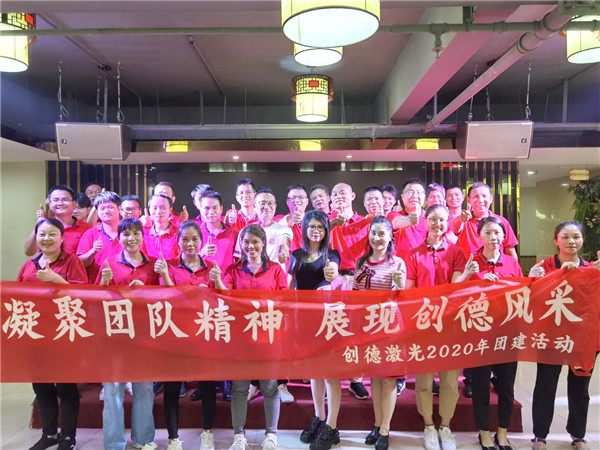
Despite all the growth that has occurred over the years, we remain extremely employee centric. Our management team works tirelessly to ensure each Styler Welding employee feels fulfilled from work and life. As work-life balanced living style is proved that it would increase employee’s performance at work, and consequently, providing better service and product to the customer.

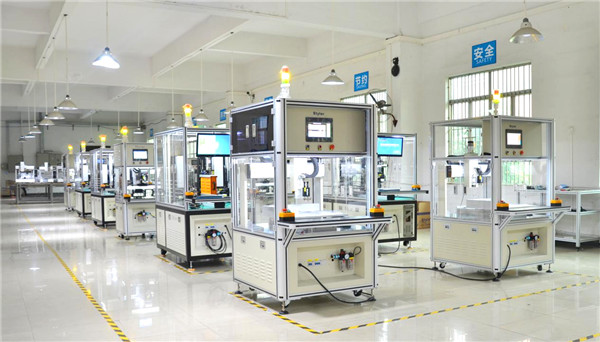

Comprehensive Industrial Battery Pack Assembly Systems
Explore our complete machinery portfolio supporting cylindrical, prismatic, and modular pack manufacturing from prototype staging to full-rate production.