
Key ESS Battery Pack Assembly Systems
Precision-engineered automation platforms dedicated to large-scale energy storage deployments
Industrial Landscape & Technological Advancements in ESS Assembly
Addressing structural rigidity, thermal consistency, electrical pathways, and manufacturing repeatability
Zero-Spatter Precision Laser Welding
Integration of high-speed beam oscillation (wobble technology) and adjustable ring mode (ARM) lasers ensures flawless penetration depth and zero spatter on copper-aluminum busbar joins.
Thermal & Structural Packaging
Cell-to-Pack (CTP) and Cell-to-Rack (CTR) architectures streamline production by directly embedding prismatic cells into structurally robust modules with integrated liquid cooling plates.
AI-Driven In-Line Inspection
Real-time visual positioning, automatic seam tracking, post-weld optical inspection (AOI), and continuous weld resistance feedback prevent micro-cracks and defect escapes.
The Shift Toward Giga-Scale Energy Storage System (ESS) Assembly Lines
The global transition to renewable generation has fundamentally repositioned Energy Storage Systems (ESS) from auxiliary reserves to primary grid infrastructure. Unlike consumer electronic battery packs or standard automotive traction modules, ESS battery packs are engineered for extreme endurance, often operating under continuous daily cycles for 10 to 20 years. Consequently, Battery Pack Assembly For Energy Storage System (Ess) Manufacturing faces elevated engineering requirements: thermal dissipation uniformity, lower internal resistance at every electrical joint, and strict adherence to structural firewalls.
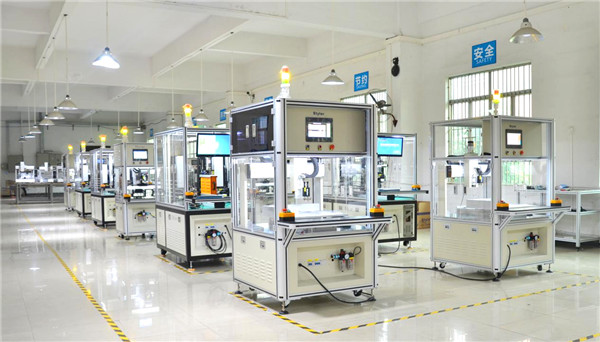
Today's utility-scale projects prioritize ultra-high capacity lithium iron phosphate (LFP) prismatic cells (e.g., 280Ah, 306Ah, and 314Ah formats). As cell volumes grow, handling and assembly lines must transition from manual or semi-automated stations to fully digitized, multi-axis automated welding lines. Modern lines incorporate high-precision multi-axis gantries, automated screw driving, active continuous insulation testing (Hi-pot), and standardized cell stacking with pneumatic compression fixtures to maintain precise mechanical pre-stress during pack cycling.
Micro-Resistance vs. Laser Beam Fusion: The Busbar Joining Challenge
Electrical connectivity across hundreds of series-parallel cell interconnects represents the critical failure point in high-voltage ESS containers (often reaching 1500V DC). Styler has addressed this challenge by developing multi-modal welding systems. While medium-frequency inverter DC resistance spot welders (such as the IPR850 series) provide unmatched cost efficiency and reliability for nickel-tabbed cylindrical cell configurations, multi-kilowatt fiber laser systems reign supreme for heavy aluminum and copper busbar connections in prismatic packs.
Joining copper to aluminum presents complex metallurgical challenges due to brittle intermetallic compound (IMC) formation. By incorporating high-dynamic galvanometer heads, intelligent closed-loop laser power shaping, and specialized clamping tooling, modern assembly solutions minimize thermal diffusion zones. This yields ultra-low contact resistance, reduces thermal runaway risks, and eliminates joint fatigue under high-vibration environmental conditions.
Deep Dive: Real-World Industrial & Commercial Application Scenarios
The engineering topology of an ESS battery pack differs substantially depending on its intended operational domain:
1. Front-of-the-Meter (FTM) Grid Stabilization & Peaking Plants: These containerized enclosures host megawatts of stored energy. Assembly lines must execute high-repeatability assembly of standardized 1P52S or similar sub-racks. Robust laser busbar welds must withstand continuous high C-rate cycling, grid frequency regulation, and voltage support demands without resistive degradation.
2. Commercial & Industrial (C&I) Behind-the-Meter Storage: Designed for peak shaving and backup power in factories, hospitals, and microgrids. Systems emphasize modularity, quick-disconnect bus arrangements, and compact footprint configurations. Assembly lines catering to this segment demand quick-change tooling fixtures to transition between varied enclosure sizes.
3. Residential High-Voltage Wall Systems: Requiring aesthetic integration, silent passive/active cooling, and intrinsic fire mitigation. Cylindrical (21700/46800) and slim prismatic pack automation mandates inline dielectric grease dispensing, high-speed pick-and-place robotics, and automated cell sorting based on OCV (Open Circuit Voltage) and ACR (AC Resistance) grading.
About Us
Pioneering Resistance Welding and High-Precision Laser Solutions
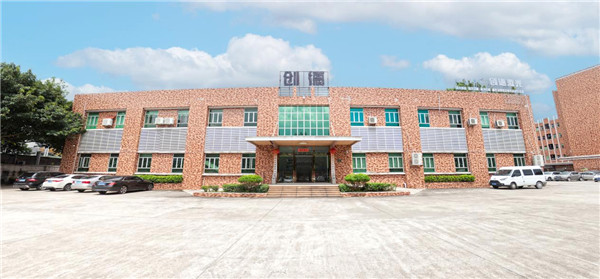
Styler is a professional manufacturer aims to provide high quality and trustful welding machine to the customer. Our company has unique understanding and innovative idea in the field of resistance welding and laser applications, and the welding technology has reached to the international level through continuously investing in the technical research and development. We also cooperate with education institutes on the technology development to enhance our machine’s performance and application area.
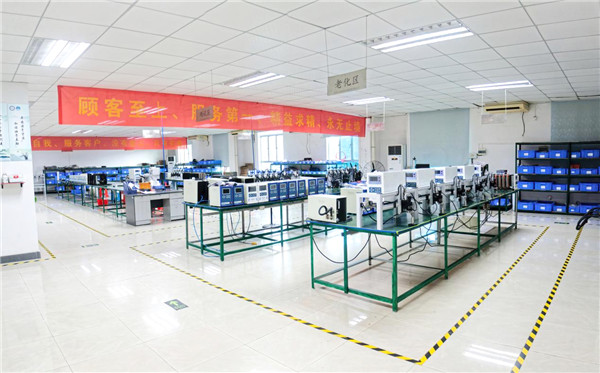
Customer Centric is our core value. Besides of providing personalized high performance and durable machines to the customer, we value the hospitality the most, as we wish customers to have a pleasant purchase experience with us for each visit. Therefore, we have been providing ongoing training internally to provide excellent customer service to our customer. We believe the customer-oriented direction is the key to success, and it has been successfully helping us to develop a strong reputation in the industry, allowing us to retain customers and attracting new customers to start the business with us.
Company Vision
To provide a cutting-edge welding machine in a reasonable price to the customer has been the long-term goal for Styler, and thus, we will continually be developing innovative, stable, and budgeting machine to the customer around the world.
Corporate Social Responsibility
Giving back to the society is important as we are not able to go this far without the community’s support. Therefore, Styler has been actively participating in the charity works and government events each year, to improve the local municipal service and facility.
Employee Development
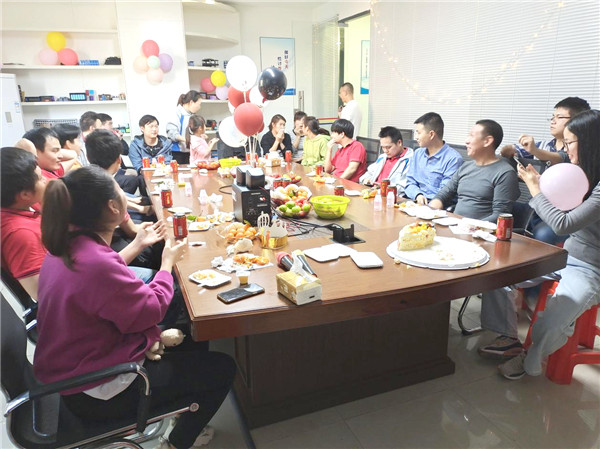
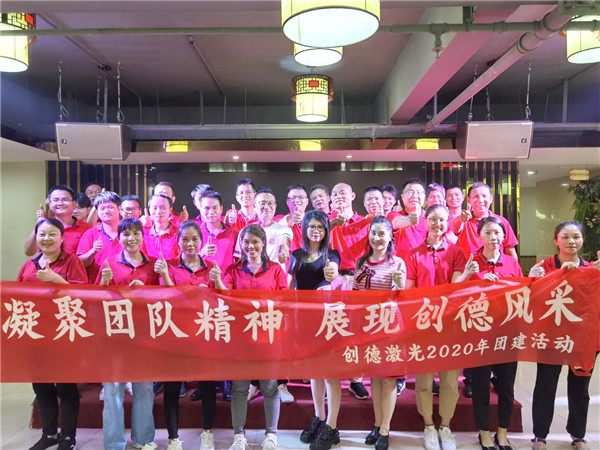
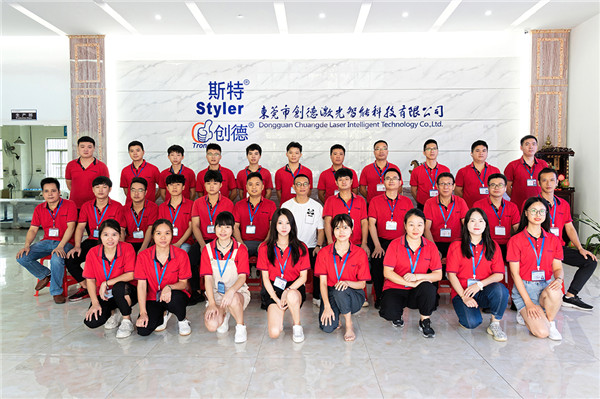
Despite all the growth that has occurred over the years, we remain extremely employee centric. Our management team works tirelessly to ensure each Styler Welding employee feels fulfilled from work and life. As work-life balanced living style is proved that it would increase employee’s performance at work, and consequently, providing better service and product to the customer.

Future Trends: Autonomous ESS Line Engineering
Continuous evolution toward intelligence, safety validation, and carbon footprint reduction
1. Integration of Digital Twins and Predictive Welding Diagnostics
Next-generation ESS assembly factories increasingly deploy Industrial Internet of Things (IIoT) sensors to monitor welding tip displacement, real-time current fluctuation, thermal diffusion patterns, and laser optics reflection. By comparing real-time assembly line parameters against a cloud-connected digital twin, system operators can predict tool wear, identify cold welds prior to battery pack closure, and proactively schedule maintenance, mitigating expensive factory downtime.
2. Standardized Modular Platforms for Large Prismatic Cells
As the market consolidates around larger standardized prismatics (such as 314Ah LFP form factors), manufacturing systems must maximize tooling versatility. Flexible assembly configurations accommodate rapid changes in busbar architecture, whether employing aluminum ultrasonic welding, single-sided laser stitching, or multi-spot inverter resistance welding. Styler's multi-axis automated platforms enable seamless program re-parameterization, shortening product turnover cycles from days to hours.
3. Zero-Carbon Manufacturing and Rigorous Safety Traceability
Driven by strict global battery passport regulations and international safety directives (such as UL 9540A, IEC 62619, and NFPA 855), modern assembly lines integrate serial-level barcoding, laser wire marking, and database archiving at every weld joint. Each battery pack leaving the automated line retains a permanent, cloud-accessible digital pedigree verifying exact welding temperature, mechanical clamping torque, and insulation resistance history.
Complete Battery Pack Assembly & Welding Equipment Portfolio
Industrial-grade machinery engineered for ESS, EV packs, and high-performance energy modules
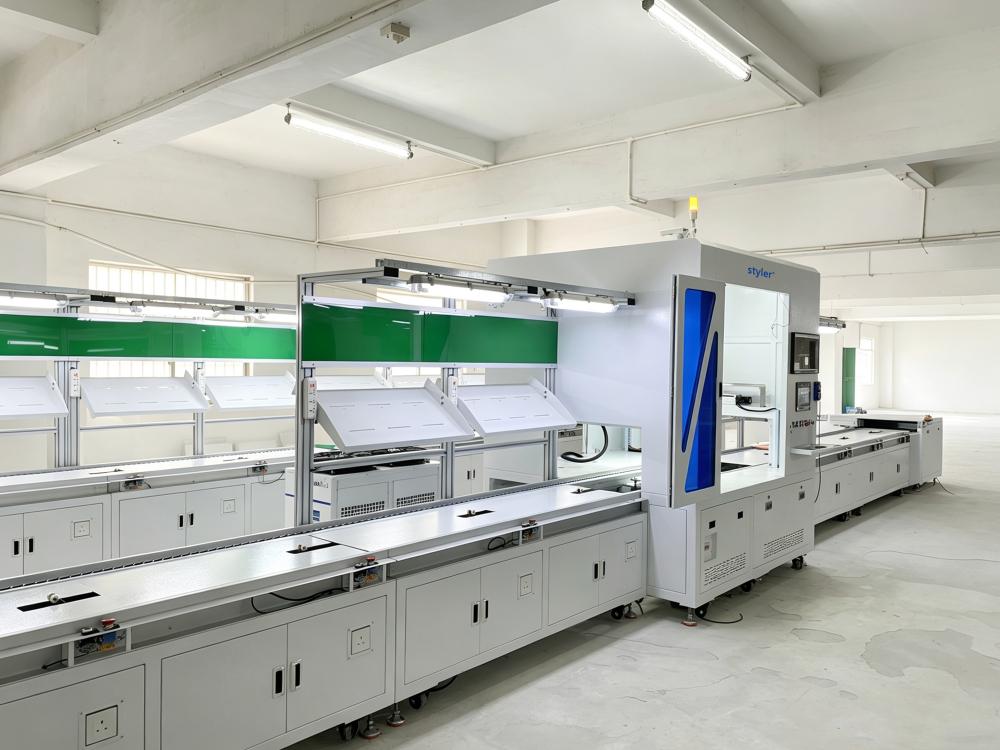
Custom Prismatic Battery Pack Assembly Line Solutions
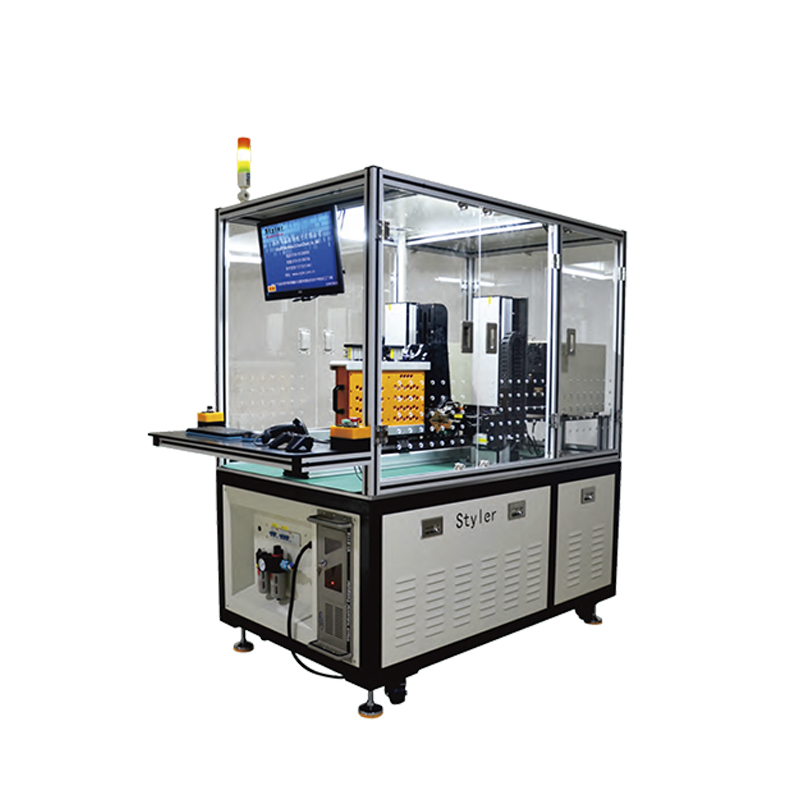
DUO-HEADED – IPC
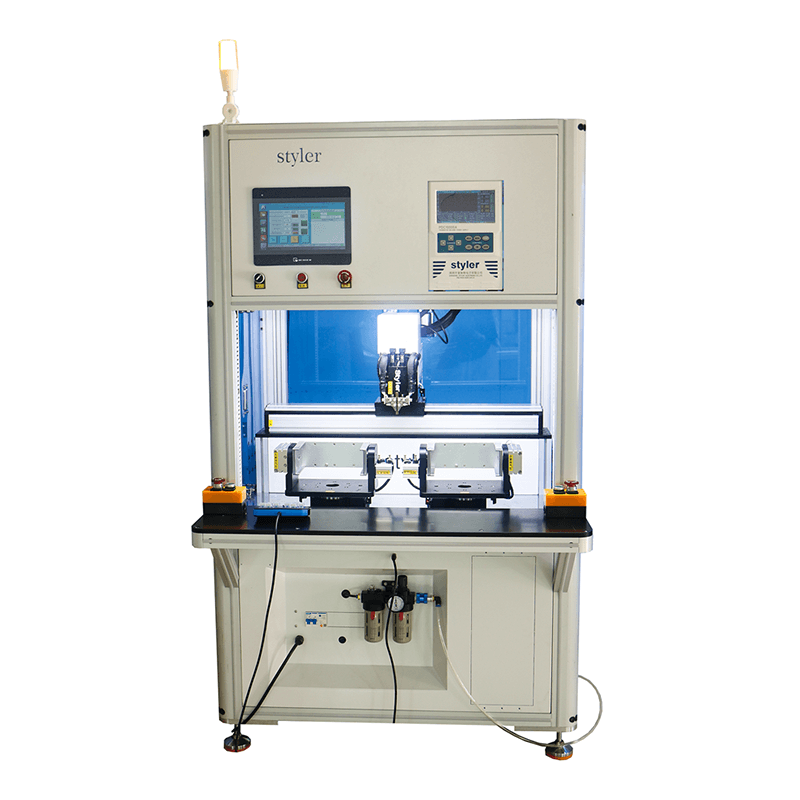
7 AXIS Automatic Welding Machine
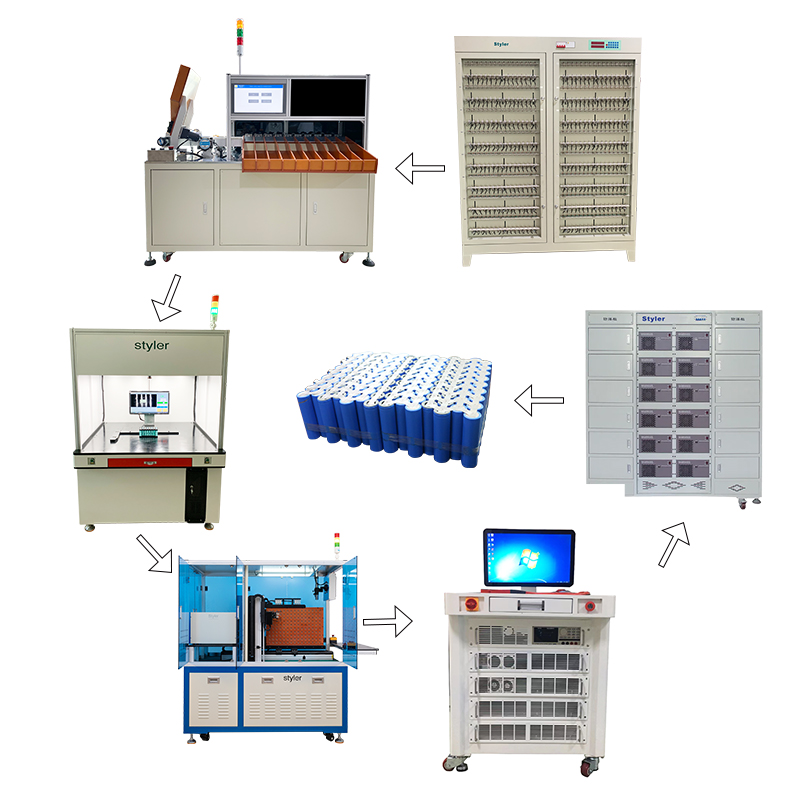
Automatic Lithium Battery Ev Battery Pack Assembly Line For Energy Storages
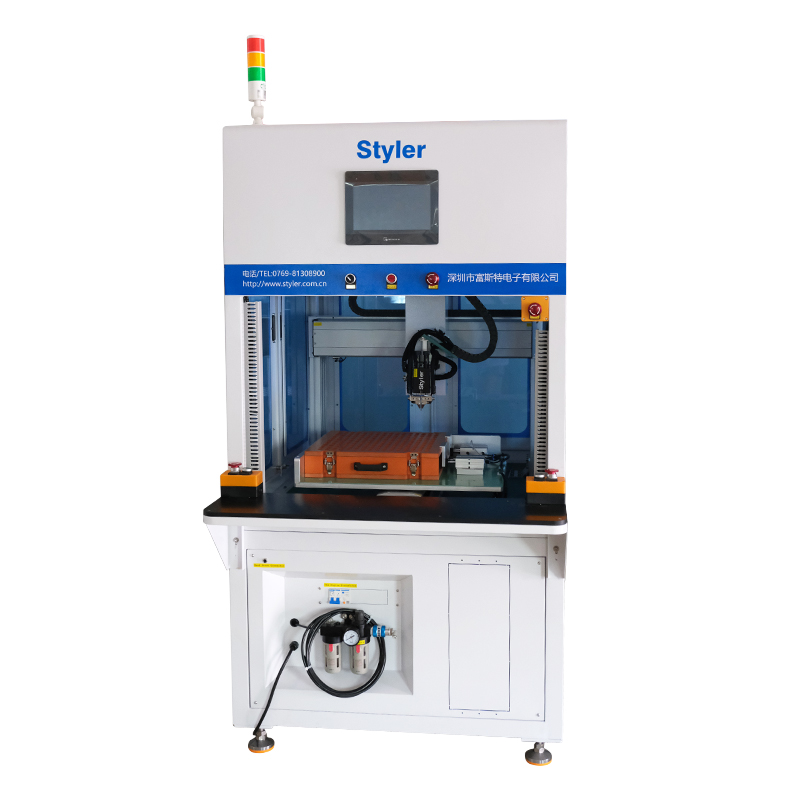
High Precision XY Axis Spot Welder
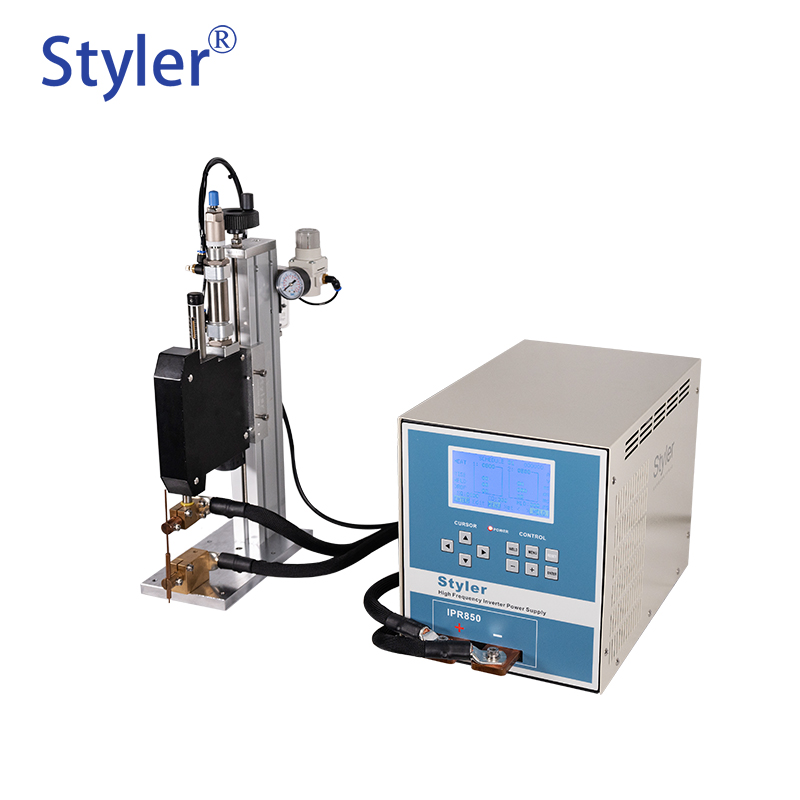
IPR850 Battery Welder
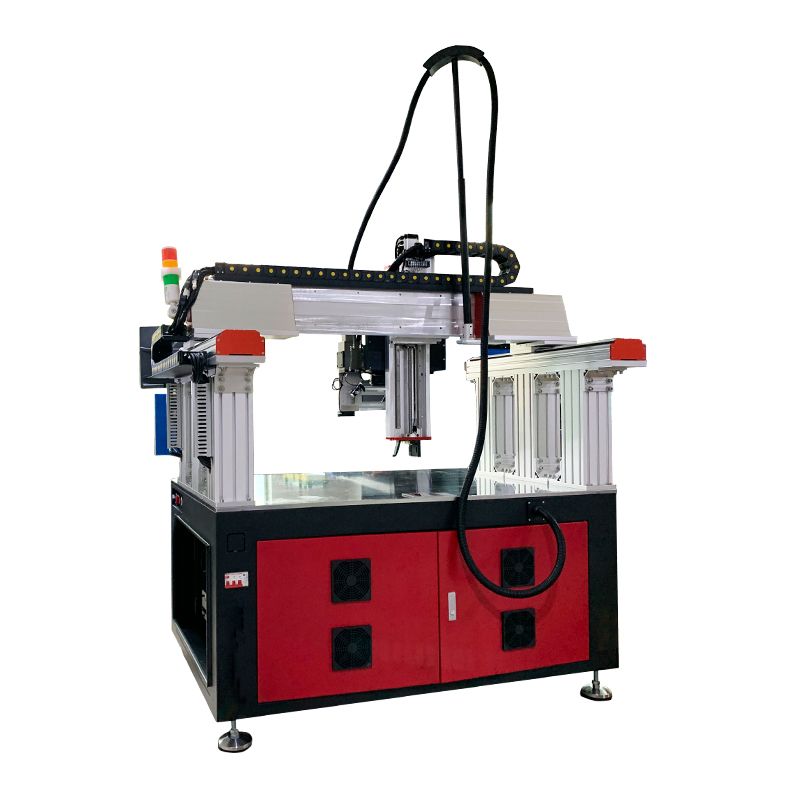
3000w Automatic Fiber Laser Welding Machine
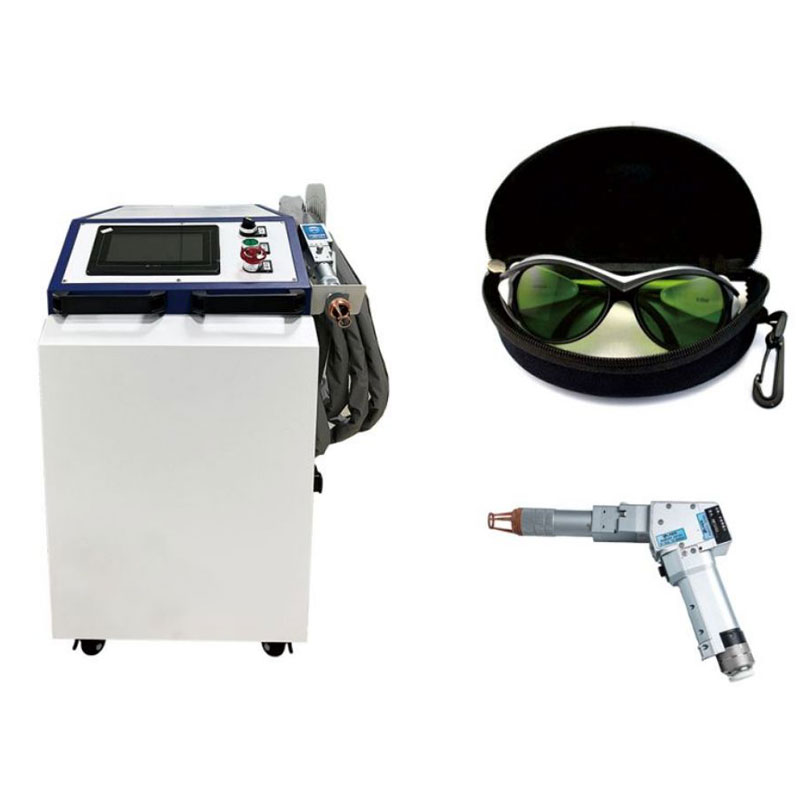
2000W handle laser welding machine


