
Featured Industrial Battery Welding Systems
The Paradigm Shift: Laser Welding in Metal Fabrication
The modern manufacturing landscape is undergoing a massive transformation driven by the global transition toward electrification, renewable energy storage, and high-density power applications. For decades, traditional industrial metal fabrication workshops have relied on standard mechanical fastening, TIG, and basic resistance spot welding to process sheets, chassis, and heavy metal components. However, the arrival of modern battery module assemblies—which demand extreme precision, zero thermal deformation, and superior conductivity—has made battery laser welding a fundamental cornerstone of cutting-edge fabrication setups.
Metal fabrication workshops are no longer limited to bending, stamping, and structural framework. As system integrators expand into contract assembly for clean energy storage, light electric vehicles (LEVs), automated guided vehicles (AGVs), and industrial energy storage systems (BESS), workshops must bridge the micro-scale requirements of battery cells with the macro-scale demands of structural housings. Modern fiber laser welding platforms provide the pinpoint energy distribution necessary to join conductive non-ferrous metals like copper, nickel, and aluminum without damaging sensitive chemical separators or delicate cell terminals.
Minimal Heat-Affected Zone
Laser technology produces a targeted beam with an ultra-concentrated energy density. This restricts heat distribution strictly to the seam interface, ensuring zero thermal degradation to sensitive electrolyte barriers and safety vents inside industrial cells.
High-Speed Continuous Seam
Unlike single-point resistance methods that require repeated mechanical pressure cycles, continuous fiber laser optics trace precise shapes across high-conductivity busbars in fractions of a second, drastically multiplying production throughput.
Dissimilar Metal Fusion
Overcoming brittle intermetallic compound formation is the greatest challenge in battery manufacturing. Advanced laser beam oscillating (wobble) techniques smoothly fuse aluminum terminals to pure copper or nickel-plated conductors with exceptional mechanical integrity.
In-Depth Application Scenarios in Modern Workshops
Integrating a dedicated laser welding station into an industrial fabrication facility opens wide pathways into tier-one supply chains. Below are specific technical applications currently adopted by forward-thinking workshops:
1. Prismatic Cell Busbar Interconnections
Prismatic cells dominate medium-to-large scale energy storage systems (ESS) due to their robust aluminum packaging and volumetric efficiency. Industrial metal fabrication workshops frequently handle the complete assembly of heavy-duty prismatic packs. The challenge lies in bonding aluminum cell terminals (often 1000 or 3000 series aluminum) to nickel-plated copper busbars. Laser welding systems using high-frequency wobbling heads dynamically manipulate the beam path, creating precise spiral or stitch patterns that distribute the heat, prevent burn-through, and achieve ultra-low electrical contact resistance.
2. Cylindrical Module Collector Plate Welding
For workshops producing customized packs using 18650, 21700, or the latest 4680 cylindrical cells, joint consistency across thousands of connection nodes is vital. Traditional resistance spot welding, while effective for low-current hobbyist applications, faces limitations in cycle time and tip erosion when handling automated mass production. Automated fiber laser stations sweep across pre-positioned nickel sheets, creating hundreds of high-integrity weld joints per minute without any physical contact, eliminating electrode maintenance downtime.
3. Hermetic Sealing of Battery Enclosures and Trays
The role of the metal fabrication workshop goes far beyond the cells themselves. Metal enclosures, crash-proof battery trays, and liquid-cooled structural plates must satisfy IP67 or IP68 ingress protection standards. Fiber laser seam welding allows fabricators to join thin-gauge aluminum or stainless steel covers to cast or extruded structural trays with full hermetic seals, minimal distortion, and no need for post-process surface grinding.
Emerging Market Trends & Overcoming Technical Challenges
As the demand for energy storage scales into gigawatt-hours globally, fabrication workshops face evolving metallurgical hurdles and technology trends:
Handling Highly Reflective Metals: Copper and aluminum naturally reflect a significant percentage of standard 1064nm infrared laser light at room temperature. Historical methods struggled with erratic energy absorption, often leading to spatter, voids, or thermal blowout. Contemporary systems mitigate this challenge using optimized dual-beam configurations, adjustable ring-mode (ARM) fiber lasers, or pairing advanced high-frequency inverter resistance systems for initial tacking followed by deep-penetration laser passes.
Digitalization and Quality Traceability: Industrial fabrication contracts now demand comprehensive process verification. Advanced welding workstations incorporate in-line visual seam tracking, photodiode-based weld monitoring, and post-weld optical inspection. This artificial-intelligence-driven verification ensures every micro-weld meets rigorous aerospace and automotive standards before the battery pack leaves the facility.
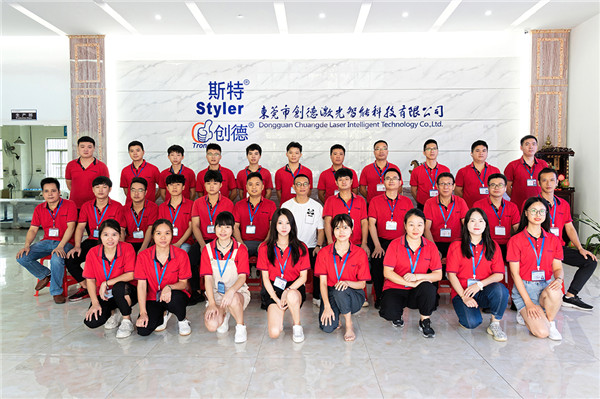
About Us
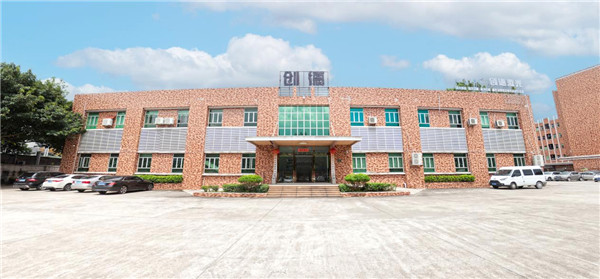
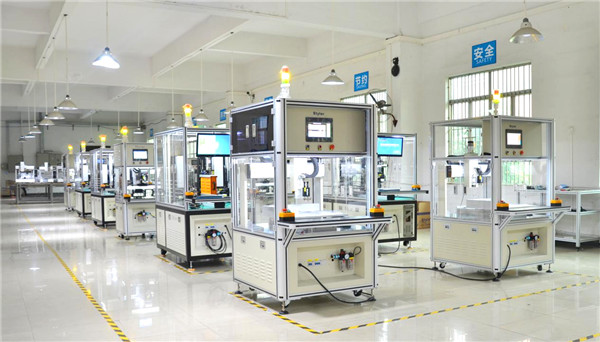
Styler is a professional manufacturer aims to provide high quality and trustful welding machine to the customer. Our company has unique understanding and innovative idea in the field of resistance welding and laser applications, and the welding technology has reached to the international level through continuously investing in the technical research and development. We also cooperate with education institutes on the technology development to enhance our machine’s performance and application area.
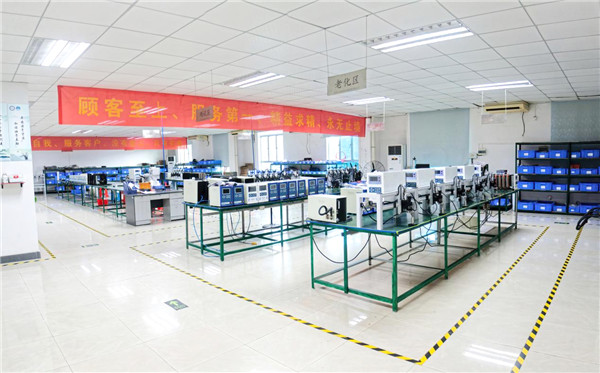
Customer Centric is our core value. Besides of providing personalized high performance and durable machines to the customer, we value the hospitality the most, as we wish customers to have a pleasant purchase experience with us for each visit. Therefore, we have been providing ongoing training internally to provide excellent customer service to our customer. We believe the customer-oriented direction is the key to success, and it has been successfully helping us to develop a strong reputation in the industry, allowing us to retain customers and attracting new customers to start the business with us.
Company Vision
To provide a cutting-edge welding machine in a reasonable price to the customer has been the long-term goal for Styler, and thus, we will continually be developing innovative, stable, and budgeting machine to the customer around the world.

Corporate Social Responsibility
Giving back to the society is important as we are not able to go this far without the community’s support. Therefore, Styler has been actively participating in the charity works and government events each year, to improve the local municipal service and facility.
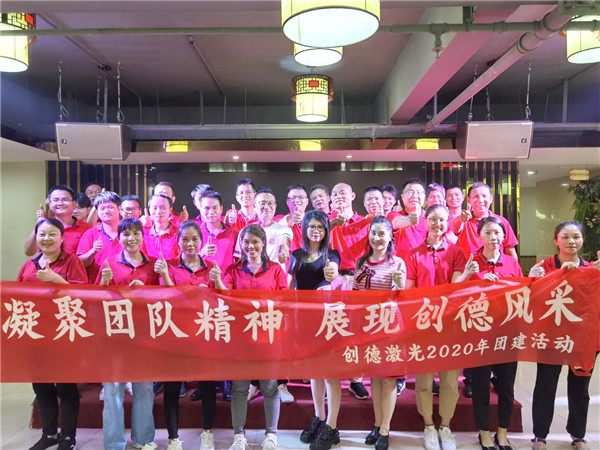
Employee Development
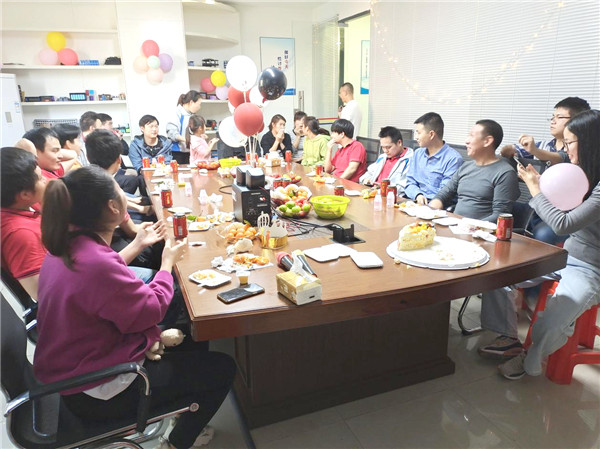
Despite all the growth that has occurred over the years, we remain extremely employee centric. Our management team works tirelessly to ensure each Styler Welding employee feels fulfilled from work and life. As work-life balanced living style is proved that it would increase employee’s performance at work, and consequently, providing better service and product to the customer.
Comprehensive Industrial Welding Equipment Catalog
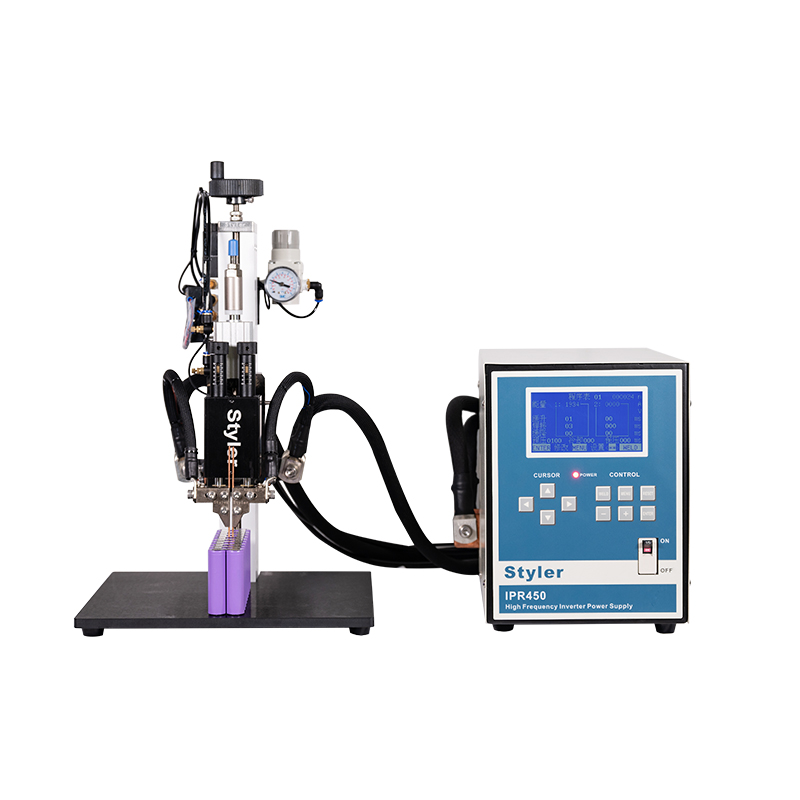 IPR450 Precision High-Frequency Inverter Resistance Welding Machine
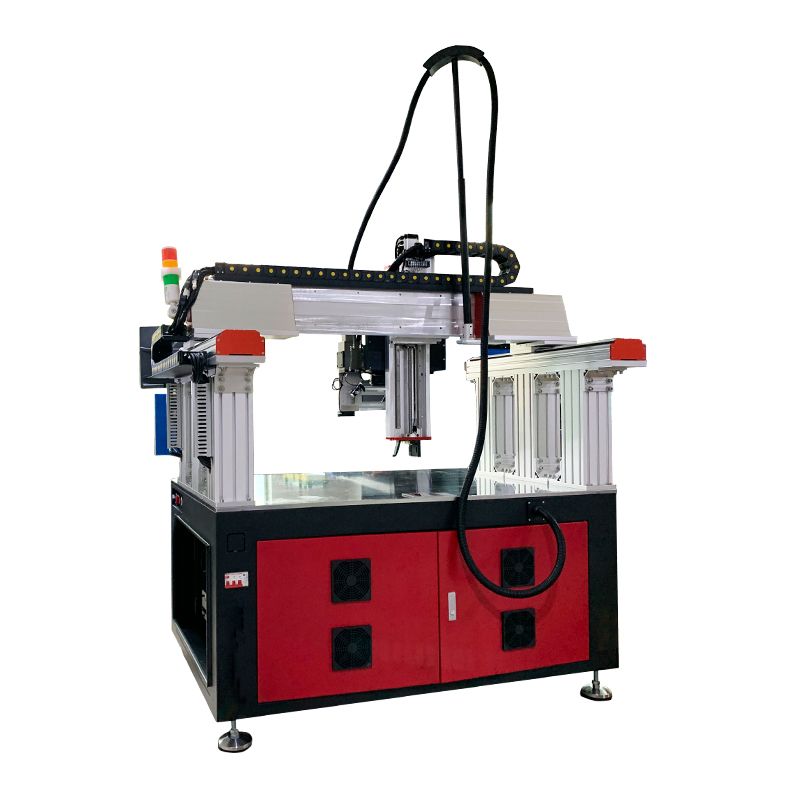 3000w Automatic Fiber Laser Welding Machine
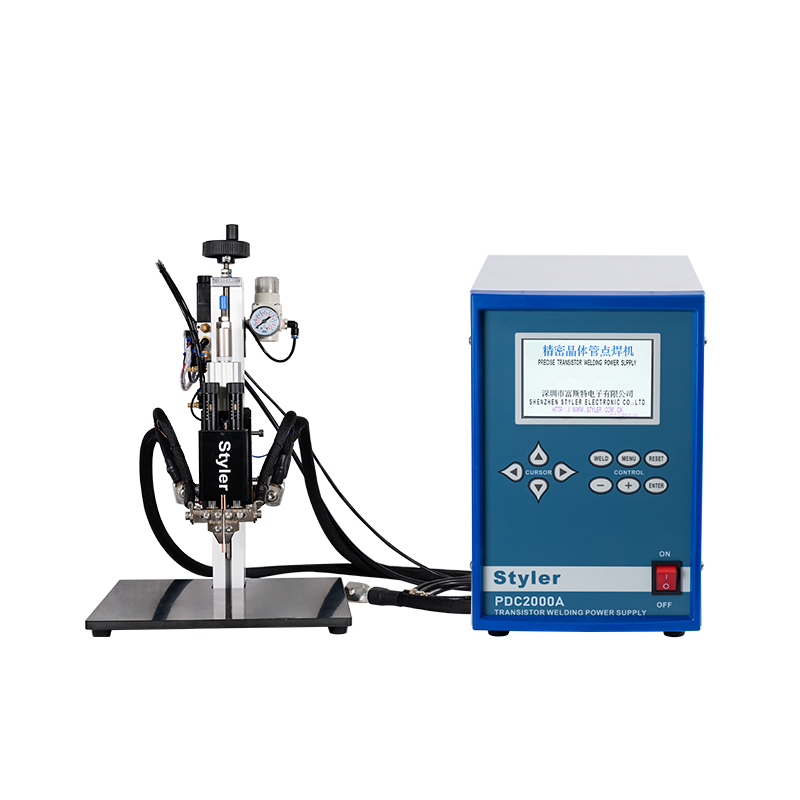 PDC2000A Battery Spot Welder
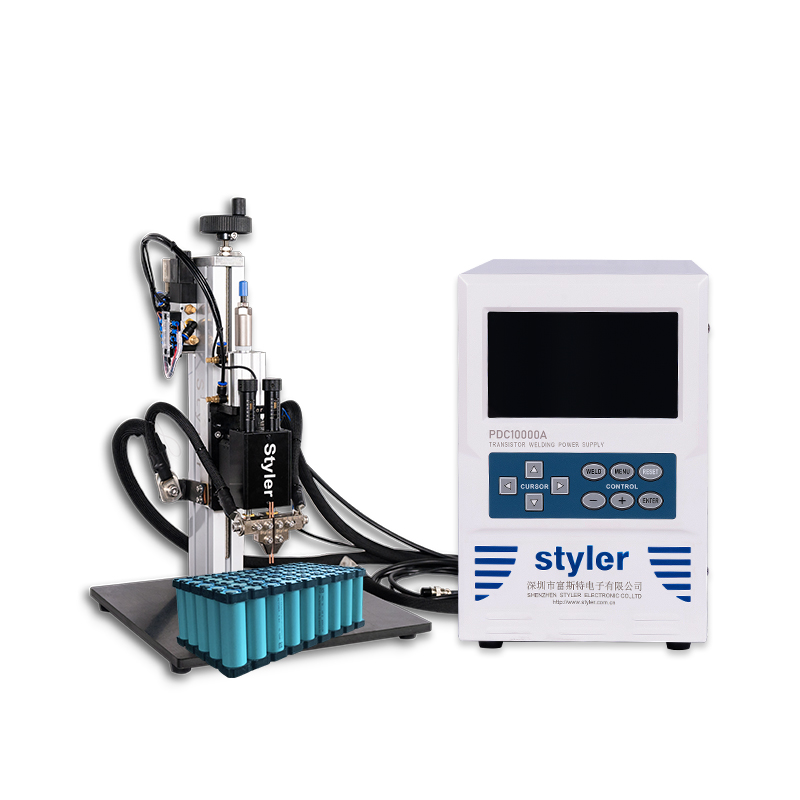 PDC10000A Battery Spot Welding Machine
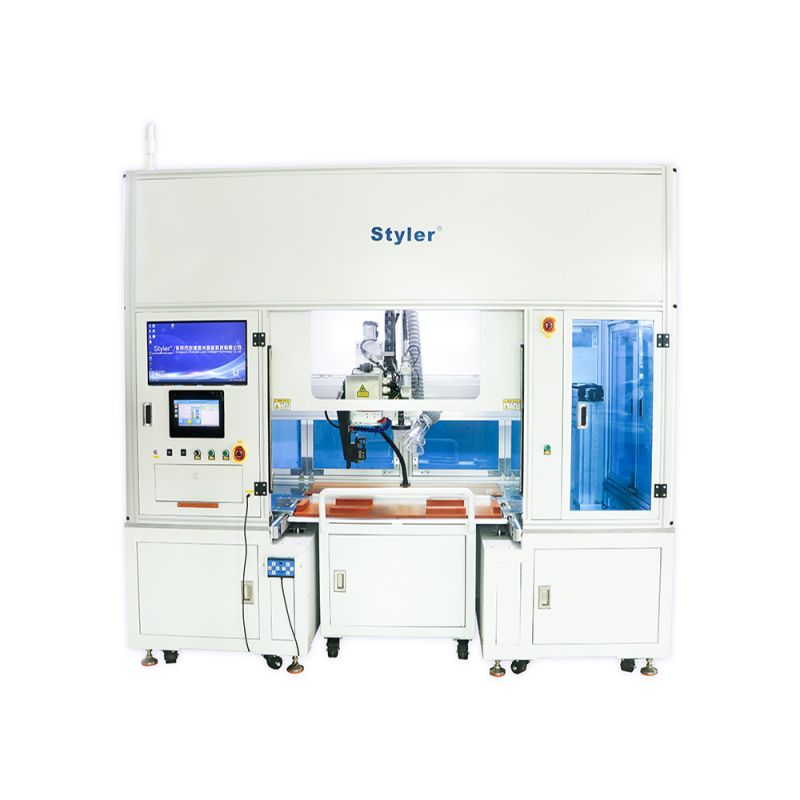 6000W Automatic Laser Welding Machine
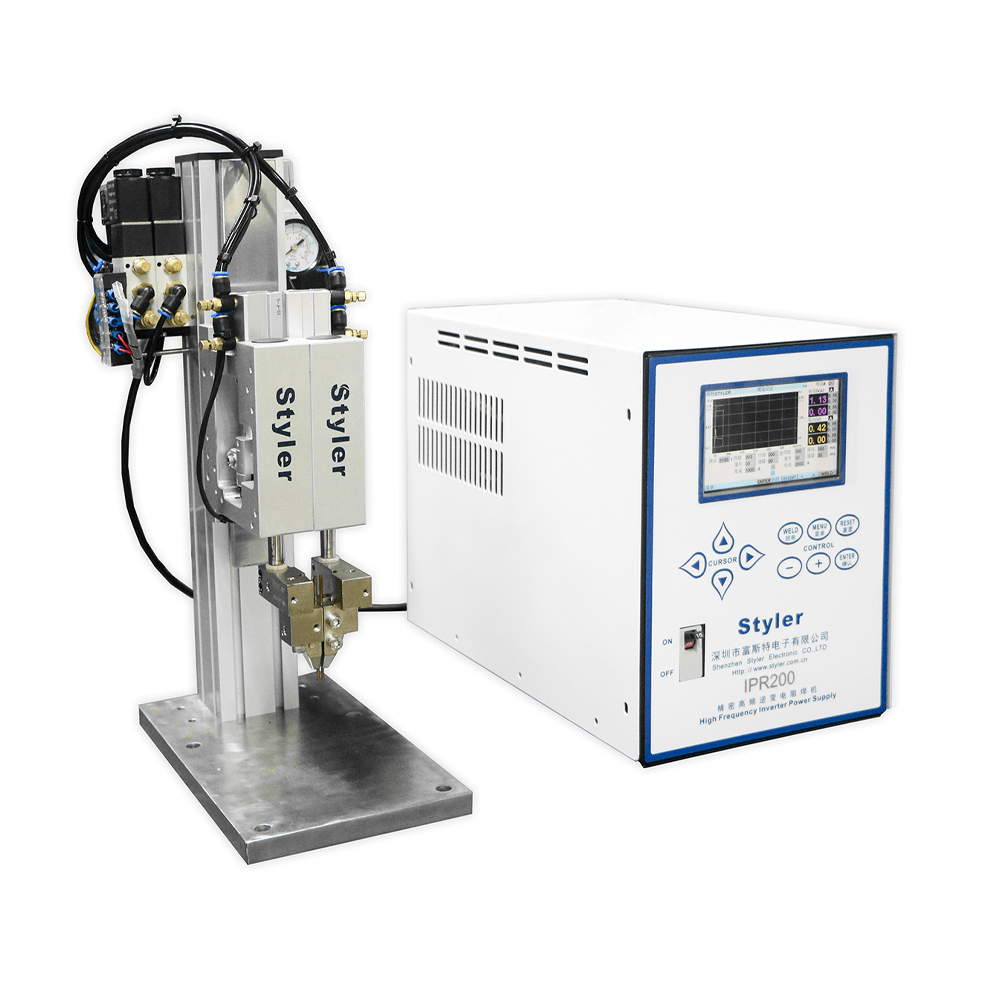 IPV200 Resistance Welding Machine
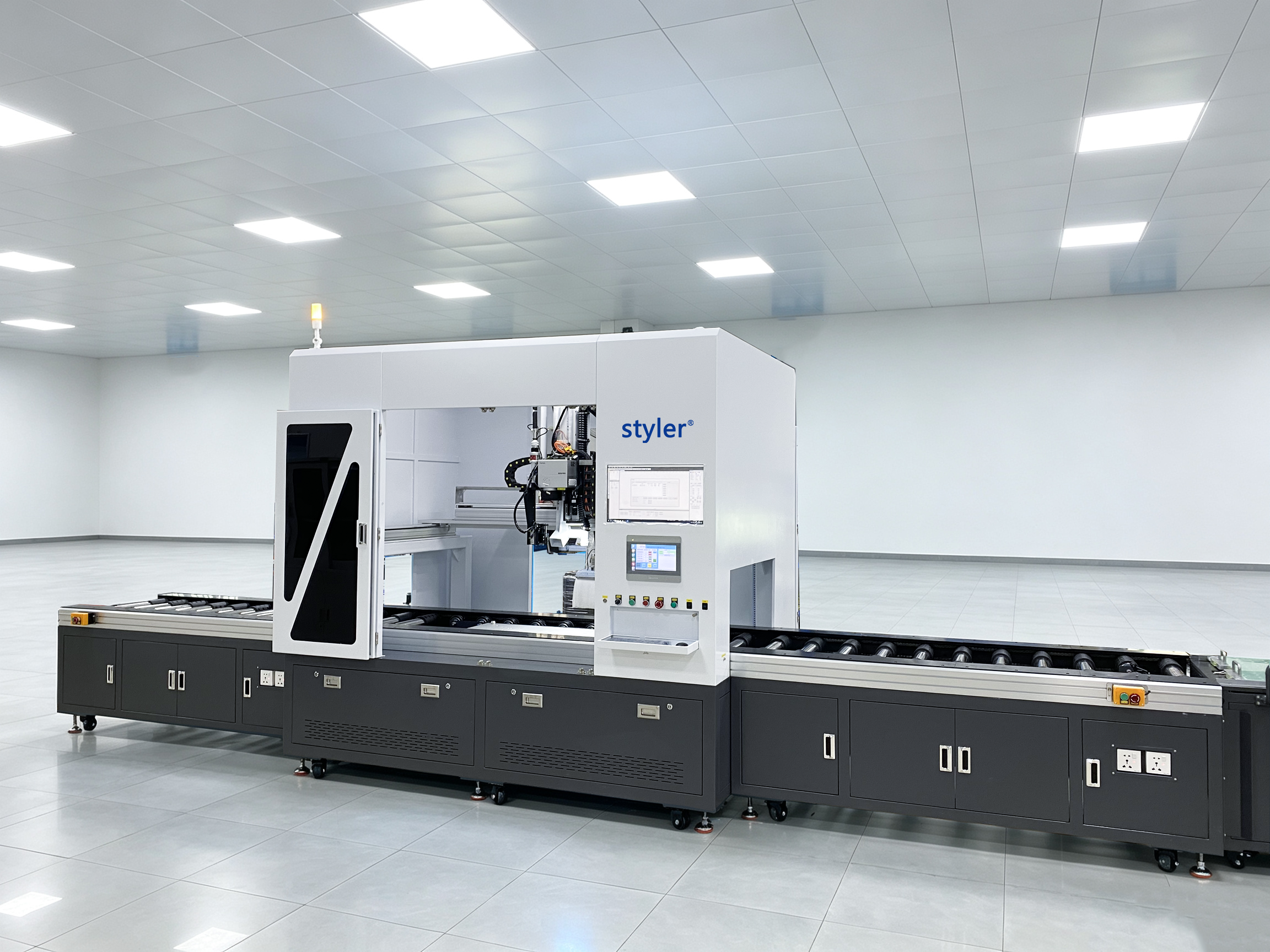 Semi-Automatic Heavy-Duty Prismatic Battery Pack Assembly Line
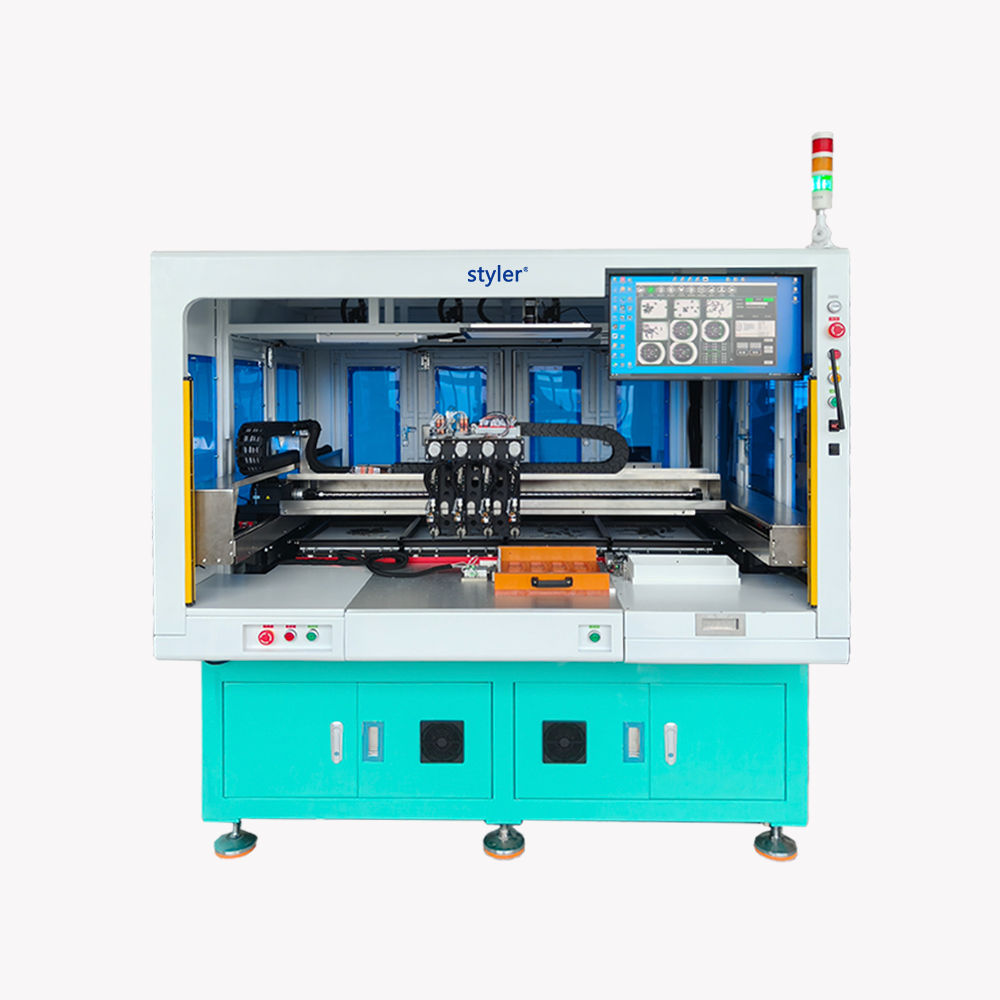 Automatic Nickel Sheet Placement Machine


