Industrial & Commercial Landscape of Cylindrical Cell Laser Welding
The global shift toward electrification has placed lithium-ion battery manufacturing at the center of modern industrial strategy. Among the various form factors, cylindrical cells—specifically the 18650 and 21700 formats—remain the dominant choice for micro-mobility, power tools, electric vehicles (EVs), and stationary energy storage systems (BESS). The process of connecting hundreds or thousands of these individual cells into a cohesive battery pack requires an electrical connection technology that is fast, reliable, and highly conductive.
Traditionally, resistance spot welding was the go-to method for cylindrical cell tab connection due to its simplicity and low initial capital expenditure. However, as energy density requirements rise and internal resistance tolerances shrink, the industry has rapidly transitioned toward battery laser welding. Laser welding offers non-contact, high-speed, and extremely precise energy delivery, making it the preferred solution for high-volume, automated production lines where quality consistency is paramount.
Did you know? The transition from 18650 to 21700 cells increases energy capacity by nearly 50% per cell. This shift demands deeper weld penetration and superior thermal control to avoid damaging the cell's sensitive internal structure during tab attachment.
Commercial Drivers for Laser Welding Adoption
From a commercial standpoint, battery pack manufacturers are facing intense pressure to reduce cost per kilowatt-hour (kWh) while improving safety and cycle life. Laser welding addresses these demands by minimizing contact resistance at the joint. Lower contact resistance directly translates to less heat generation during high-current discharge cycles, enhancing the overall safety and lifespan of the battery pack. Furthermore, the high processing speed of fiber lasers—often exceeding 200 weld joints per minute—allows manufacturers to achieve throughput rates that are physically impossible with mechanical spot welding systems.
Deep Application Scenarios: 18650 & 21700 Cell Welded Modules
Cylindrical cell configurations are highly versatile, finding applications across diverse environments that demand specific electrical and mechanical characteristics. Laser welding plays a critical role in customizing these configurations:
1. Electric Vehicles (EVs) and E-Mobility
In EV battery packs, thousands of 21700 cells are connected in series and parallel. The connections must withstand continuous vibration, thermal cycling, and high current demands. Laser welding creates a metallurgical bond between the copper/aluminum busbars and the cell terminals. This bond offers superior tensile strength and fatigue resistance compared to traditional wire bonding or resistance welding, ensuring structural integrity over the vehicle's lifespan.
2. Grid-Scale Energy Storage Systems (BESS)
For stationary energy storage, reliability over a 10-to-20-year operational window is crucial. Because these systems are composed of massive arrays of 18650 or 21700 cells, even a single weak weld joint can lead to localized overheating, unbalanced cell degradation, or catastrophic thermal runaway. Automated laser welding lines integrated with inline vision inspection ensure that every single weld meets strict penetration and area requirements.
3. High-Drain Power Tools and Consumer Electronics
Power tools require rapid bursts of high current. The internal resistance of the battery pack must be kept to an absolute minimum to prevent voltage drops. Laser welding allows for the direct welding of thick copper tabs (which have excellent electrical conductivity but are highly reflective and difficult to weld with traditional methods) onto the steel casing of 18650 cells, optimizing power delivery and thermal performance.
4. Specialized Aerospace and Marine Battery Packs
In aerospace and marine applications, weight reduction is critical. Traditional mechanical fasteners or heavy nickel tabs add unnecessary mass to the pack. Laser welding enables the use of ultra-thin, lightweight multi-layered busbars, maximizing the energy density of the complete module without compromising mechanical strength.
Technological Trends in Cylindrical Cell Laser Welding
As battery technology advances, welding technologies must evolve in tandem. Several cutting-edge trends are currently shaping the future of battery pack assembly:
Wobble Laser Heads
By oscillating the laser beam in various patterns (circles, figure-eights, or lines), wobble welding heads widen the weld seam, improve tolerance for fit-up gaps, and reduce porosity in the weld pool.
Blue & Hybrid Lasers
Copper highly absorbs blue light compared to infrared. Combining blue lasers with traditional fiber lasers allows for spatter-free, highly controlled welding of highly reflective copper busbars.
Real-Time Monitoring
Integrating photodiode-based sensor systems directly into the welding head allows for real-time monitoring of weld depth, temperature, and plasma formation, instantly flagging defects.
AI-Driven QA
Machine learning algorithms analyze optical and thermal data from each weld, continuously optimizing laser parameters to prevent under-penetration or burn-through.
About Styler
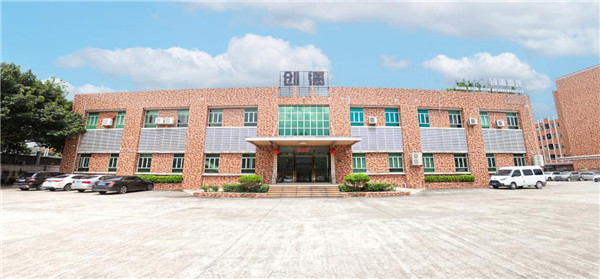
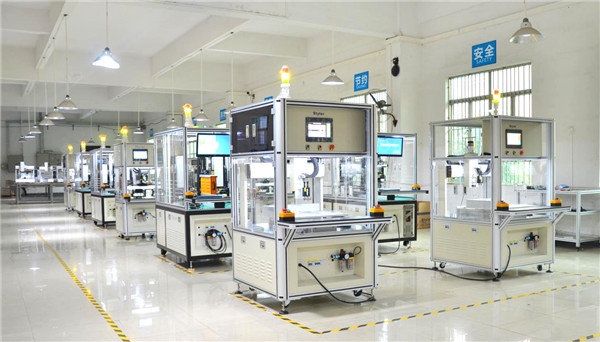
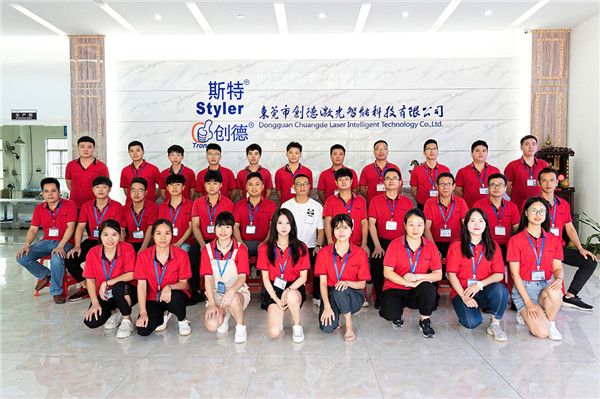
Styler is a professional manufacturer aims to provide high quality and trustful welding machine to the customer. Our company has unique understanding and innovative idea in the field of resistance welding and laser applications, and the welding technology has reached to the international level through continuously investing in the technical research and development. We also cooperate with education institutes on the technology development to enhance our machine’s performance and application area.
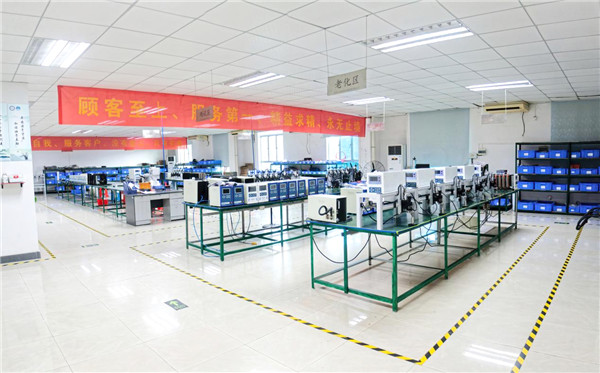
Customer Centric is our core value. Besides of providing personalized high performance and durable machines to the customer, we value the hospitality the most, as we wish customers to have a pleasant purchase experience with us for each visit. Therefore, we have been providing ongoing training internally to provide excellent customer service to our customer. We believe the customer-oriented direction is the key to success, and it has been successfully helping us to develop a strong reputation in the industry, allowing us to retain customers and attracting new customers to start the business with us.
Company Vision
To provide a cutting-edge welding machine in a reasonable price to the customer has been the long-term goal for Styler, and thus, we will continually be developing innovative, stable, and budgeting machine to the customer around the world.

Corporate Social Responsibility & Employee Development
Giving back to the society is important as we are not able to go this far without the community’s support. Therefore, Styler has been actively participating in the charity works and government events each year, to improve the local municipal service and facility.
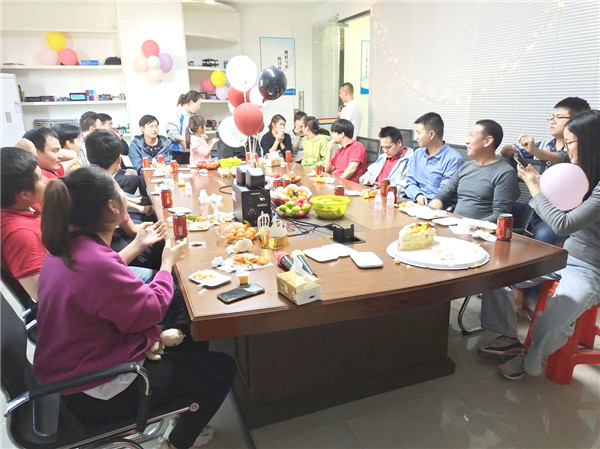
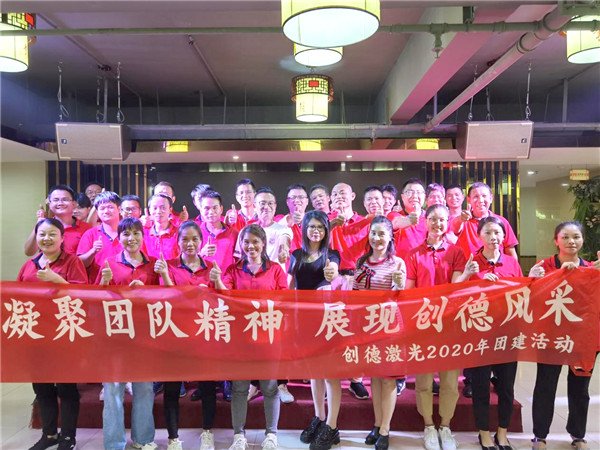
Despite all the growth that has occurred over the years, we remain extremely employee centric. Our management team works tirelessly to ensure each Styler Welding employee feels fulfilled from work and life. As work-life balanced living style is proved that it would increase employee’s performance at work, and consequently, providing better service and product to the customer.
Complete Product Portfolio