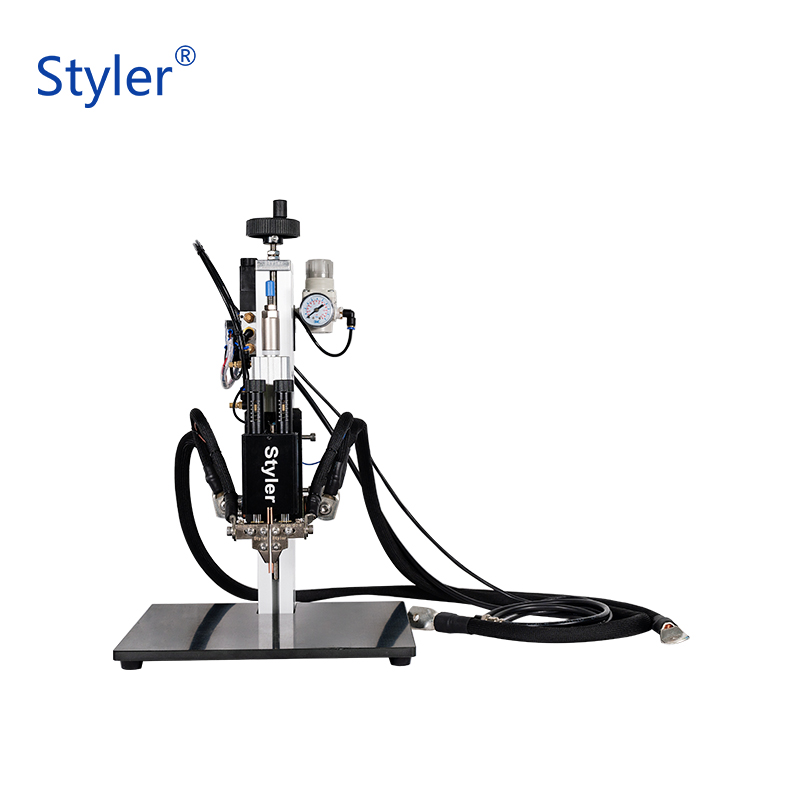
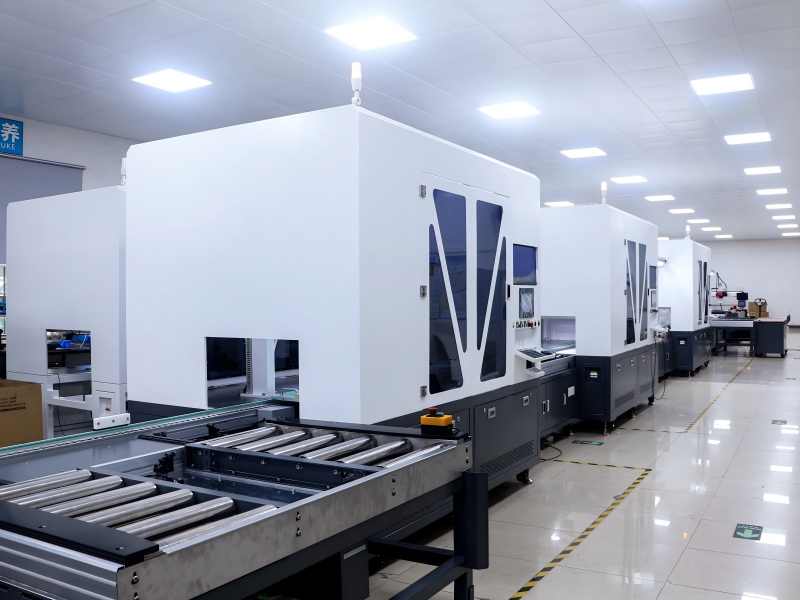
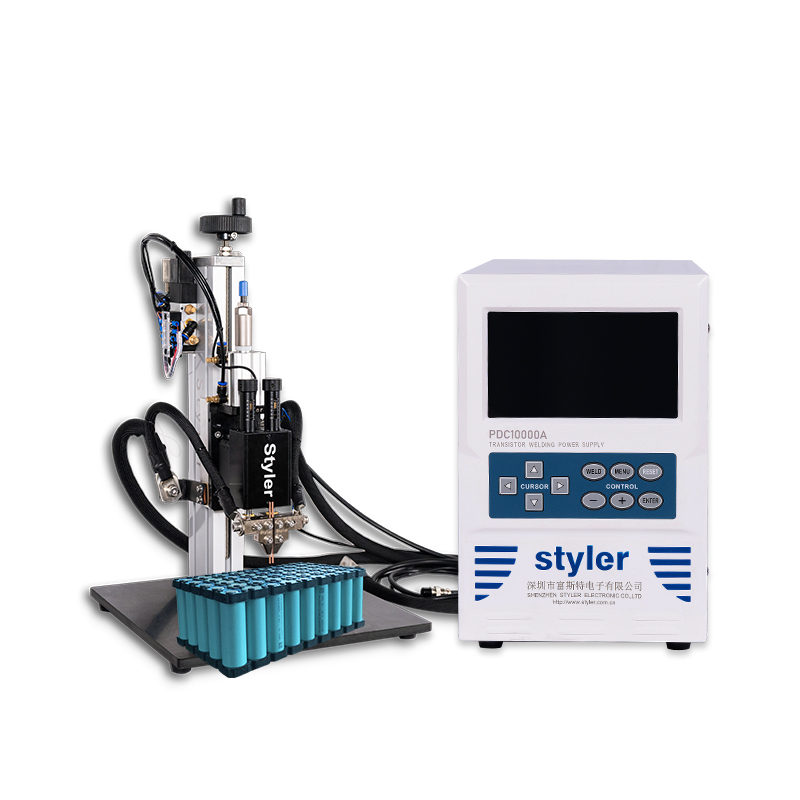
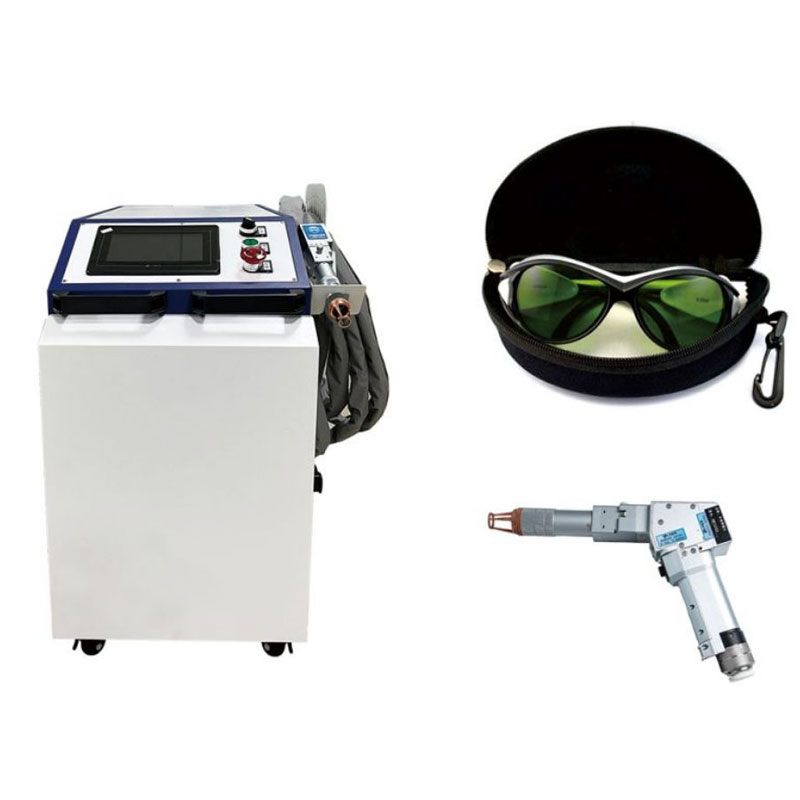
Featured Precision Welding Equipment
Switzerland's Industrial Landscape: The Hub of Precision Manufacturing
Switzerland is globally renowned for its high-precision manufacturing, micro-engineering, and uncompromising quality standards. From the historic watchmaking workshops in the Jura Arc to the cutting-edge medical device hubs in Zurich and Basel, Swiss industries demand assembly solutions that deliver absolute repeatability and structural integrity. In this ecosystem, automatic spot welding and laser welding technologies have transitioned from traditional assembly methods into vital, high-tech enablers of modern Swiss innovation.
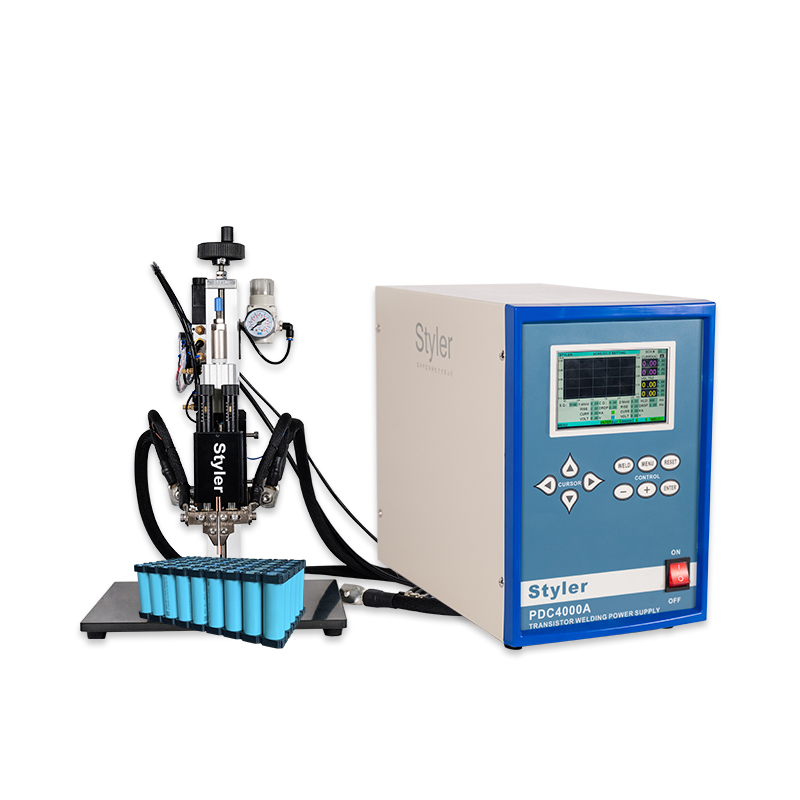
As industrial automation aligns with Industry 4.0 paradigms, Swiss manufacturers are seeking automatic spot welding suppliers capable of providing ultra-precise, digitally monitored, and energy-efficient systems. The integration of advanced sensors and real-time data capture ensures that every single weld meets the strict regulations of the aerospace, automotive, and medical technology sectors. By partnering with leading technology manufacturers like Styler, local industries can implement state-of-the-art resistance and laser welding systems designed to maintain Switzerland's competitive edge in the global market.
Micron-Level Precision
Essential for watchmaking and micro-electronics assembly, where tolerance limits are measured in micrometers.
E-Mobility & Battery Packs
Advanced resistance and laser welding systems optimized for clean, high-conductivity battery tab connections.
Industry 4.0 Ready
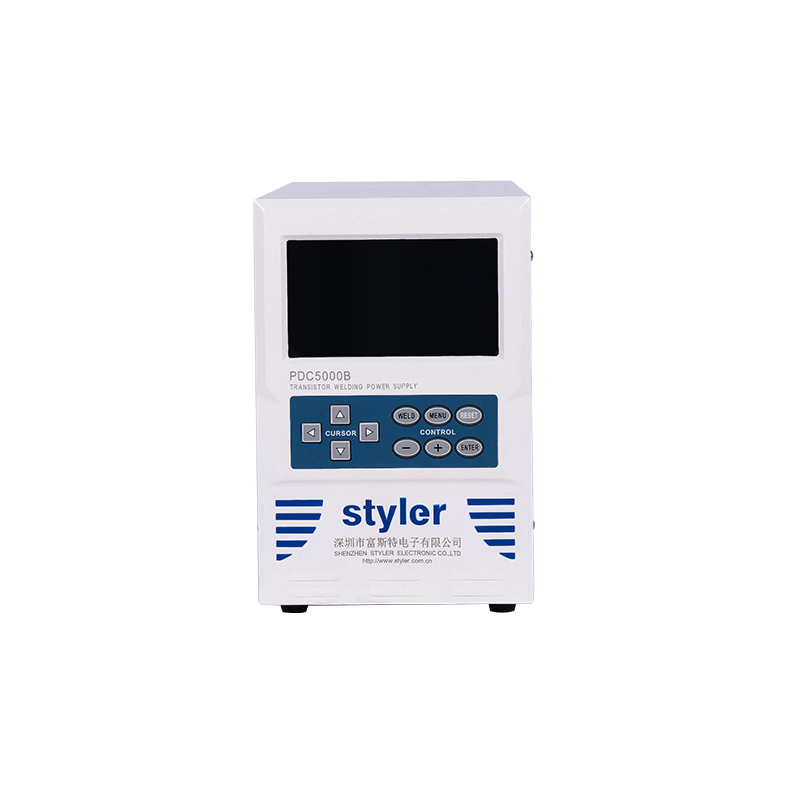
Smart welding controllers featuring IoT connectivity, real-time quality analytics, and remote monitoring capabilities.
Key Development Trends in the Automatic Spot Welding Industry
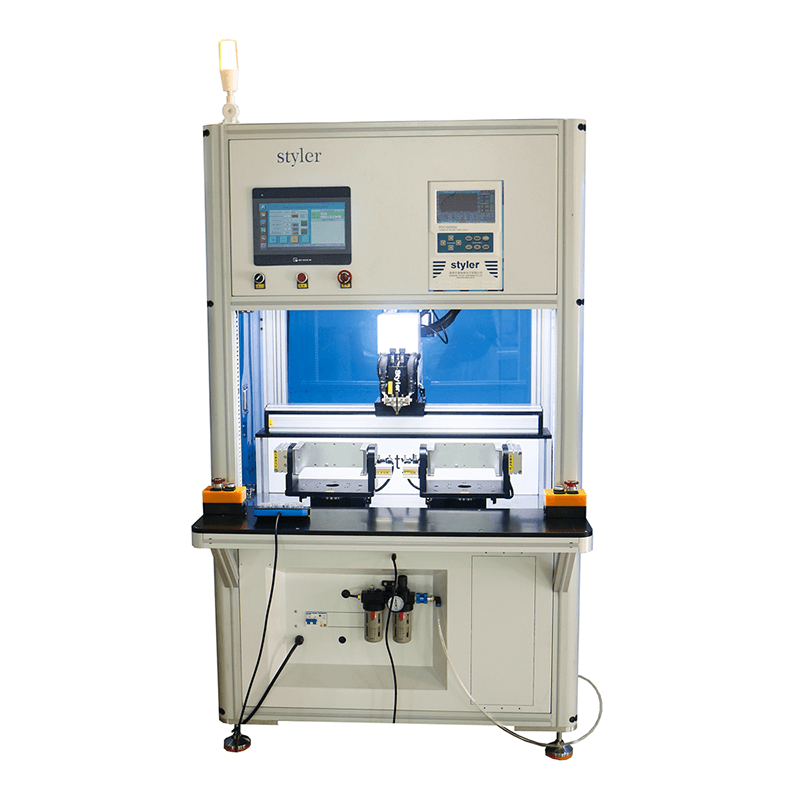
The global welding industry is witnessing a significant shift towards hybrid solutions, combining the speed of traditional resistance spot welding with the pinpoint accuracy of fiber laser systems. In Switzerland, where labor costs are high and quality expectations are even higher, automation is the key to maintaining cost-effectiveness. The trend is moving rapidly toward multi-axis robotic welding cells, such as 7-axis automatic welding systems, which can manipulate complex three-dimensional components with ease.
Another major trend is the rise of green manufacturing. Swiss industries are highly focused on sustainability and carbon footprint reduction. Modern resistance spot welding machines now utilize medium-frequency direct current (MFDC) or high-frequency inverter technology, which minimizes energy consumption while producing consistent, high-strength welds. Furthermore, the integration of vision-guided tracking systems allows automatic spot welders to detect and compensate for part variations dynamically, reducing scrap rates to virtually zero.
Localized Application Scenarios in Switzerland
1. Watchmaking & Micro-Mechanics (Jura Region): The Swiss watch industry relies on micro-welding heads to join delicate springs, gears, and structural components. Our precision welding heads provide the minimal heat-affected zones required to preserve the physical properties of luxury timepieces.
2. Medical Device Manufacturing (Basel & Zurich): Biocompatible materials like titanium and nitinol require clean, contamination-free welds. Precision spot and laser welding systems ensure hermetic seals for implants, surgical tools, and diagnostic equipment.
3. E-Mobility and Alpine Energy Storage: Switzerland's transition to sustainable energy has spurred the development of localized battery pack assembly lines. Automatic spot welding machines are crucial for welding nickel-plated copper tabs onto cylindrical and prismatic lithium-ion cells safely and efficiently.
About Us
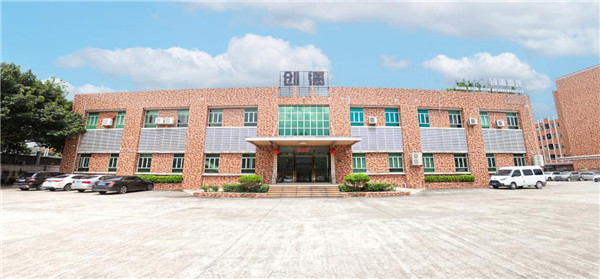
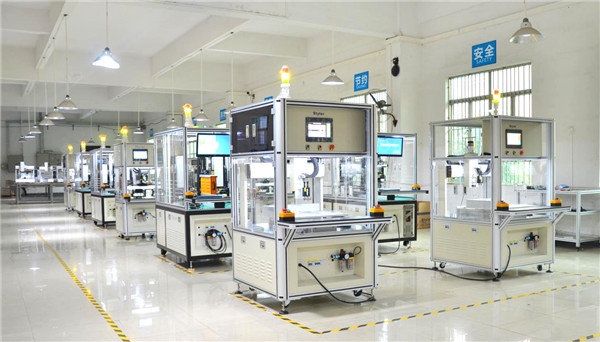
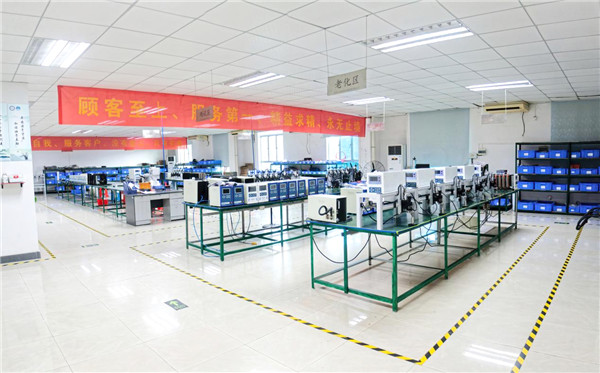
Styler is a professional manufacturer that aims to provide high quality and trustful welding machines to our customers. Our company has a unique understanding and innovative ideas in the field of resistance welding and laser applications. Through continuously investing in technical research and development, our welding technology has reached international levels. We also actively cooperate with prestigious educational and research institutes on technology development to enhance our machines' overall performance and expand their application areas.
Customer Centricity is our core value. Besides providing personalized, high-performance, and durable machines, we value hospitality the most. We wish our customers to have a pleasant purchase experience with us during each visit. Therefore, we continuously provide internal training to our team to ensure excellent customer service. We believe a customer-oriented approach is the key to success, and it has successfully helped us build a strong reputation in the industry, allowing us to retain loyal partners while attracting new businesses worldwide.
Company Vision
To provide cutting-edge welding machines at a reasonable price to customers has been the long-term goal for Styler. We are committed to developing innovative, stable, and budget-friendly welding machinery for customers around the world. By keeping our systems accessible yet technically advanced, we enable small to medium enterprises (SMEs) and large-scale manufacturing plants alike to upgrade their production lines to automated, high-precision standards.

Corporate Social Responsibility
Giving back to society is extremely important to us, as we recognize we would not have come this far without our community's trust and support. Styler has been actively participating in charity works and supporting government initiatives each year to improve local municipal services, environmental programs, and community facilities. We believe that sustainable business growth must go hand-in-hand with social progress, ensuring that our environmental impact is minimized and our community contribution is maximized.
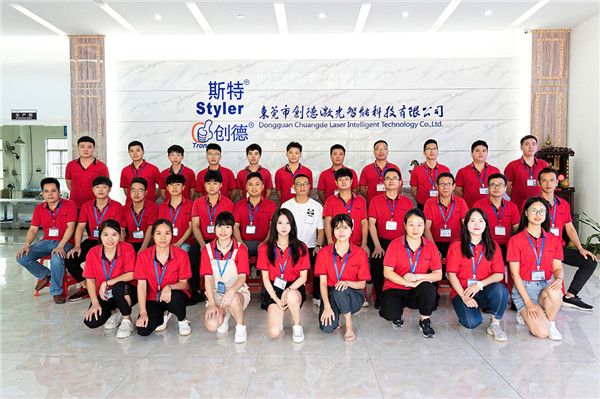
Employee Development
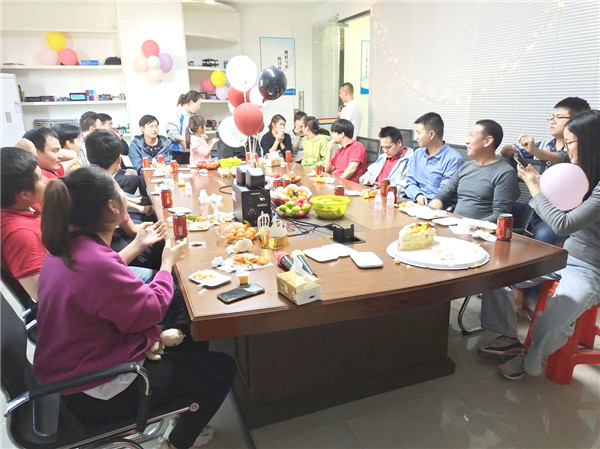
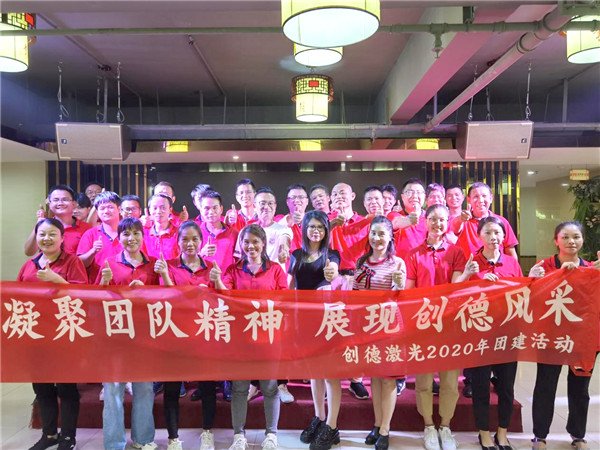
Despite all the growth that has occurred over the years, we remain extremely employee-centric. Our management team works tirelessly to ensure each Styler Welding employee feels fulfilled in both their professional work and personal life. A work-life balanced living style is proven to increase employee performance, creativity, and dedication at work. Consequently, this positive internal culture translates directly to providing better service and higher-quality products to our global customers.
Choosing the Right Automatic Spot Welding Supplier in Switzerland
When selecting a spot welding manufacturer or supplier for Swiss operations, engineering managers must evaluate several critical criteria to ensure long-term production success:
- Compliance with Standards: Systems must comply with CE, ISO, and local Swiss electrical and safety standards.
- Customization Capability: Every production line is unique. Suppliers should offer customizable options, such as specialized welding heads, multi-axis configurations, and adaptive control algorithms.
- After-Sales Technical Support: Fast response times, replacement parts availability, and expert remote diagnostics are vital to minimize downtime on automated assembly lines.
- Material Compatibility: Ensure the equipment can handle advanced materials like high-strength steels, aluminum alloys, copper, and thin foils commonly used in precision Swiss manufacturing.